Key Takeaways
Identifying why your car encounters performance dips ensures you can address issues before they escalate into major mechanical failures. This guide outlines how to manage internal engine, fuel, and electrical faults safely and effectively.
- Perform routine diagnostic scans to interpret specific powertrain warnings.
- Inspect air intake paths for leaks or blockages that restrict oxygen.
- Verify fuel delivery status to ensure injectors and pumps function correctly.
- Examine electrical wiring for insulation degradation or moisture-related corrosion.
- Utilize professional assessment tools when basic troubleshooting routines fail to clear errors.
Initial diagnostics for engine power loss
When your car fails to respond predictably, the first step involves observing how the vehicle signals its distress to the driver. By paying close attention to the dashboard, you can gather the necessary metadata to distinguish between minor electrical glitches and major mechanical malfunctions.
Identifying dashboard warning lights and error messages
Most modern vehicles use illuminated symbols to communicate faults; for example, if you notice Renault car problems like a check engine light or limp-mode indicator, prioritize scanning the interface for specific error codes. These warnings often point toward the exact sensor or system failing, allowing you to narrow down the investigation area quickly without guesswork.
Checking for unusual engine noises or vibrations
Audible signals can often indicate an internal component issue that predates an actual failure. Listen carefully for metallic clicking or deep knocking sounds while idling versus under load, as regular vibrations might suggest engine mounts have worn thin and require immediate inspection.
Evaluating recent driving conditions and maintenance history
Your driving habits leave a footprint on the vehicle’s long-term health, especially in harsh climates or heavy traffic environments. Reviewing your logs for when consumables like oil, filters, or spark plugs were last replaced can clarify if the performance drop is a simple matter of deferred service.
Assessing external environmental factors affecting performance
Ambient temperature and air quality impact how your engine consumes fuel and manages internal pressure. Exposure to extreme dust or moisture can affect sensors, meaning factors that seem unrelated to the engine itself often contribute significantly to the loss of power Renault troubleshooting process.
Air intake and exhaust system failures
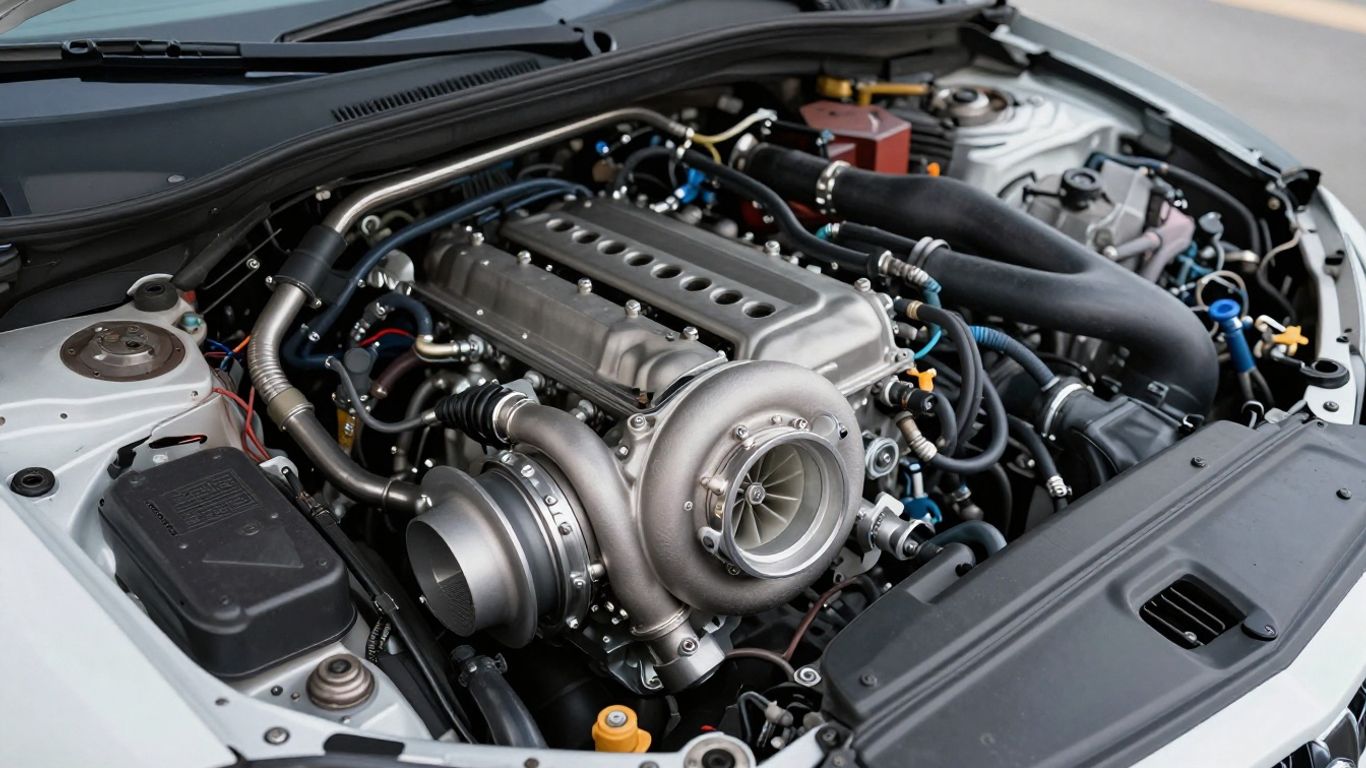
Airflow is the lifeblood of efficient combustion, and any obstruction along the intake or exhaust channels significantly hinders the engine’s ability to maintain torque. Understanding how these systems interact helps in spotting errors related to pressure buildup or airflow restriction.
Diagnosing mass airflow sensor malfunctions
This sensor acts as a gateway, measuring exactly how much air enters the system, a critical detail for calculating the optimal fuel spray. If this component records incorrect data, the vehicle will feel sluggish, a symptom commonly associated with sluggish acceleration during overtaking where the computer compensates with conservative settings.
Inspecting for leaks in turbocharger hoses and intercooler pipes
Turbocharged engines rely on high pressure to force air into the cylinders, and any compromise in the structural integrity of the hosing is a major cause of performance loss. Check the following areas:
- Tightness of clamps around the main turbo outlet.
- Presence of oil residue on flexible intake boots.
- Integrity of the intercooler cooling fins for blockages.
- Signs of splitting in the bypass valve circuits.
Once physical integrity is confirmed, you can typically rule out pressurized leaks as the primary source of your performance deficit.
Detecting blockages in the diesel particulate filter
Exhaust systems are designed to minimize harmful emissions, but they occasionally collect residue, leading to backpressure that stifles power production. The table below illustrates common symptoms associated with exhaust-related performance drops.
| System Component | Potential Obstruction | Effect on Performance |
|---|---|---|
| Catalytic Converter | Honeycomb blockage | Significant torque reduction |
| Diesel Particulate Filter | Carbon soot accumulation | Engine enters limp mode |
| Exhaust Manifold | Structural gasket leak | Noise and pressure drop |
By monitoring exhaust temperatures and backpressure, technicians ensure these components stay within their optimal operating range without needing replacement.
Evaluating the condition of the air filter housing
Dust ingress is a common enemy for high-performance engines, and an improperly sealed housing allows debris to settle on sensitive components. Regularly examining the filter housing ensures that only optimized, clean air enters your engine cycle.
Fuel delivery and combustion issues
Effective power production depends on the exact synchronization of fuel and air throughout the combustion cycle. When fuel delivery fails to match engine load requirements, you will experience stuttering or sudden drops in RPM.
Verifying fuel pump pressure and operation
Your vehicle requires consistent fuel pressure to ensure that the engine doesn’t stutter under harsh acceleration. If the pump struggles to maintain a consistent output, the engine will inevitably starve, regardless of how clean the intake system appears to be.
Cleaning or replacing clogged fuel injectors
Injectors are essentially precise sprayers that must remain clear to function correctly, helping the vehicle respond to sudden power loss during highway driving. When these passages become blocked by debris, the resulting spray pattern is disrupted, which ruins the combustion efficiency.
Investigating signs of a failing fuel pressure regulator
This small component dictates the fuel system’s pressure level across all demand tiers; its failure often causes erratic idling or complete stall incidents inside busy traffic. Ensuring that the regulator remains responsive to input changes is a critical aspect of vehicle performance maintenance work.
Checking for fuel system leaks or pressure drop incidents
Leakage is dangerous for both your wallet and your safety, often manifesting as a lingering odor of gasoline or visible damp spots near the fuel tank. Identifying these issues promptly prevents engine misfires that occur when pressure drop incidents cause the fuel-to-air ratio to lean out.
Electrical, wiring, and sensor faults
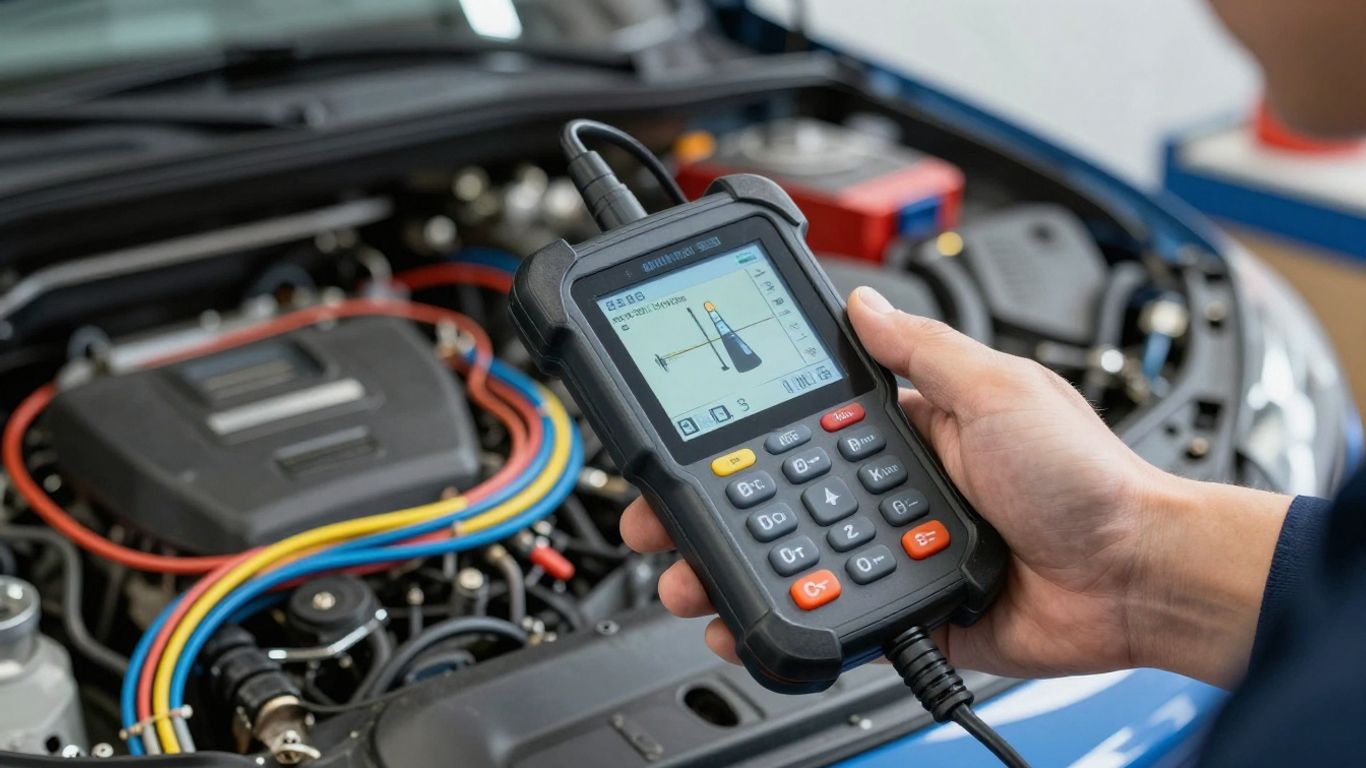
Modern cars rely on complex electrical architectures to manage everything from air intake volume to transmission shifting. Understanding how to interpret signals from these components helps you avoid chasing ghosts when the real issue is an intermittent circuit fault.
Interpreting Renault-specific OBD-II diagnostic fault codes
Using an diagnostic tool, you can pull specific codes from the ECU that detail exactly which sensors are reporting irrational values. These identifiers serve as the primary roadmap for repairs, replacing broad assumptions with data-backed targets.
Inspecting wiring harnesses for corrosion or fraying
Even a high-quality electronic system is only as good as the wires carrying the signal; moisture infiltration often causes internal degradation that is nearly impossible to see without deep visual inspection. Finding a frayed wire is often the Eureka moment during long troubleshooting sessions.
Testing the camshaft and crankshaft position sensors
These sensors provide the essential timing information required for the ECU to fire spark plugs in the correct sequence. If they provide inconsistent data, the engine timing deviates, which manifests as a major loss of torque, mimicking the sudden power loss often attributed to more serious engine failures.
Analyzing data from the throttle position sensor
This sensor reports exactly how much you are pressing the accelerator to the computer, which then decides how to adjust fuel spray and air volume. If it fails, the signal lag creates a disconnected feeling when you urge the engine for more output.
Software, ECU and limp mode status
Electronics govern most modern performance parameters, which means that sometimes the hardware is fine while the management system is simply misinterpreting conditions. Recognizing when the computer initiates a safety protocol is key to resolving the situation without over-servicing parts.
Understanding the trigger for engine limp mode
Limp mode is a safety feature that reduces power to prevent permanent damage when the system detects an error it cannot immediately resolve. It is, essentially, a software-imposed limitation that preserves your investment until a professional can clear the underlying trigger.
Determining if an ECU software update is required
Manufacturers occasionally release updates to refine how certain systems handle high demand, and not applying these can leave your vehicle stuck with outdated logic. Staying current ensures your onboard software handles unique driving conditions without unnecessary system intervention.
Resetting the engine management system settings
Sometimes, clearing stored temporary errors allows the system to recalibrate its sensors, essentially giving the engine a fresh start after a hiccup. Use this cautiously, as it only clears the system; if the root cause persists, the light will return during your next drive.
Recognizing when software glitches mimic mechanical failure
It is common for bugs in the software to be misinterpreted as a failing turbo or clogged filter by standard users. Being aware that intermittent glitches exist prevents expensive, unnecessary part replacements when a simple system refresh would have sufficed.
Professional service and next steps
Even for dedicated hobbyists, there comes a time when the equipment and expertise required exceed personal tools. Acknowledging these boundaries is the best way to safeguard your car’s long-term value and your safety on the road.
Deciding when to consult a Renault authorized technician
When standard diagnostic tools show errors related to transmission logic, proprietary electronic modules, or deep security components, a professional technician becomes the only realistic path. Their access to specialized systems ensures that complex issues remain fully addressed by expert hands.
Understanding the role of proprietary diagnostic tools
Authorized shops leverage specific scanners that can see deeper into the vehicle than standard off-the-shelf OBD-II readers ever could. These devices allow the technician to recalibrate custom injectors or reset specialized electronic dampers to factory specifications.
Preparing for a professional engine performance evaluation
Before heading to the service counter, document every instance of power loss, including the speed of travel, weather conditions, and duration of the event. A detailed account helps the shop isolate the issue faster, potentially saving several labor hours of testing time.
Weighing the costs of complex part replacements
High-end repairs should always be balanced against the total life of the vehicle; ensuring you receive a transparent quote allows you to decide based on realistic long-term cost benefits. Understanding which parts are vital for safety versus convenience helps you prioritize your service budget effectively.
Conclusion
Troubleshooting performance loss requires a systematic approach, whether you are dealing with minor electrical sensor interruptions or complex mechanical blockages within the air and fuel delivery systems. By utilizing regular maintenance logs, proper diagnostic methods, and knowing when to invite professional help, you ensure that your vehicle remains both reliable and responsive for the long road ahead.
Frequently Asked Questions
Can extreme weather directly cause a decrease in engine power?
Yes, high ambient temperatures can lower the density of intake air, which forces the engine to reduce power output to maintain combustion stability and protect internal components.
Why does engine power loss often occur only during highway driving?
Highway driving demands higher consistent torque loads over longer periods, exposing weaknesses in systems like turbocharging or fuel pressure that might not be visible during slower, city-speed driving.
Is it safe to drive a car while it is in limp mode?
Driving in limp mode should be restricted only to reaching a safe location or a service center, as the low-power state is a protection mechanism that masks the true severity of the failure.
Do aftermarket intake modifications affect factory performance settings?
Changing the intake setup can cause your engine’s computer to misread air volume data, leading to incorrect fuel mixtures that often result in an overall reduction rather than an increase in performance.
How often should fuel injectors be inspected for clogging?
Injectors are generally durable, but they should be inspected if you notice rough idling, decreased fuel economy, or persistent misfires despite having clean spark plugs.
Does a dashboard warning light mean the car will break down soon?
Not necessarily, but ignoring a warning light is risky because it prevents you from addressing small issues before they snowball, potentially leading to a complete failure of secondary systems.
Can low-quality fuel trigger a sudden loss of acceleration?
Yes, fuel contaminated with moisture or sediment can disrupt the combustion timing and pressure levels, directly preventing the engine from generating expected power during acceleration.