Key Takeaways
Identifying catalytic converter issues early protects your vehicle performance and environmental standards. Follow these five core takeaways to understand and maintain your exhaust health effectively.
- Regular engine servicing prevents excessive pollutants from reaching the converter.
- Sudden power loss often indicates a blockage in the exhaust airflow.
- Professional diagnostic tools uncover hidden fault codes behind warning lights.
- Routine checks for physical debris damage extend the lifespan of components.
- Avoiding short trips allows the internal elements to reach optimal operating temperatures.
Identifying symptoms of a failing catalytic converter
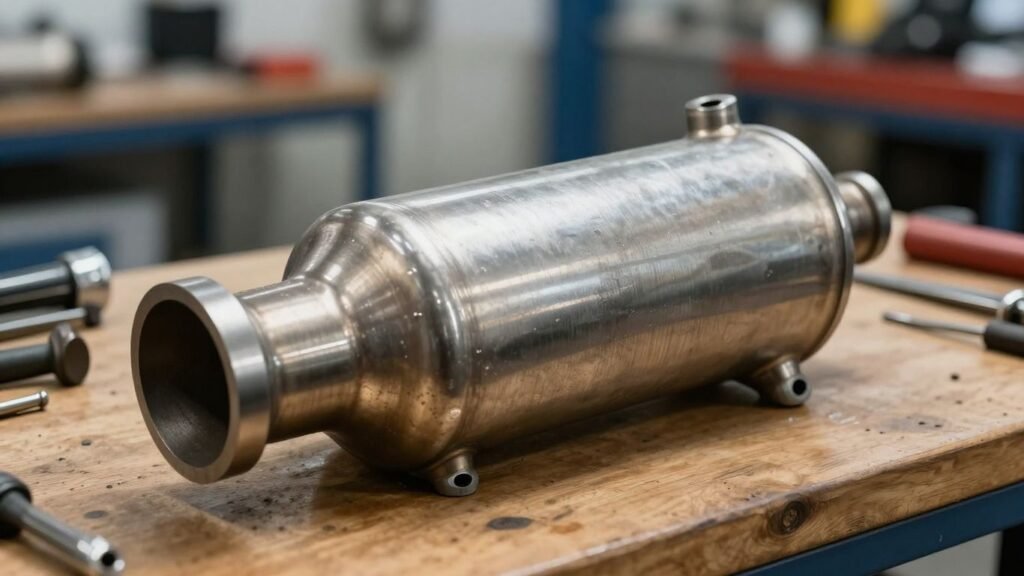
Drivers often notice subtle changes in vehicle behavior before a complete system failure occurs. Recognizing these early signs can prevent more extensive engine damage and costly repairs. Understanding how a catalytic converter works is essential for every vehicle owner.
Decreased engine performance during acceleration
A restricted exhaust flow prevents an internal combustion engine from expelling waste gases efficiently. When back-pressure builds up, the engine struggles to rev freely, leading to a noticeable lag during acceleration. You might feel a significant hesitation that worsens as the engine load increases.
Noticeable sulfur odors or exhaust smoke
Internal chemical imbalances often result in a distinct smell, commonly compared to rotten eggs, emanating from the rear of the vehicle. This odor indicates an incomplete reduction of hydrogen sulfide. If this issue persists for too long, you might see unusual exhaust smoke as well.
Persistent check engine light illumination
The check engine light serves as your primary alert for various catalytic converter problems Renault systems might track. When the secondary oxygen sensor detects oxygen levels outside of the factory parameters, the vehicle computer triggers a diagnostic code. Ignoring this warning often allows the underlying issue to escalate.
Common causes of catalytic converter failure in Renault models
Mechanical neglect or external hazards typically lead to premature degradation within the exhaust system. Keeping the engine running within its design specifications is the most effective way to safeguard your hardware. While the component is intended for longevity, certain environmental factors can hasten its decline.
Engine misfiring and fuel system imbalances
When a spark plug fails to fire, raw fuel washes into the exhaust stream where it ignites inside the hot converter. This creates massive thermal spikes that melt the delicate ceramic honeycomb structure. Maintaining proper fuel system health is critical to stop this cycle.
Contamination from oil or coolant leaks
Internal gasket failures frequently allow oil or antifreeze to seep into the exhaust chamber. These fluids coat the catalytic bed, effectively neutralizing the precious metals required for emission reduction. This leads to a persistent drop in efficiency that chemical cleaners cannot reverse.
Physical damage from road debris and low ground clearance
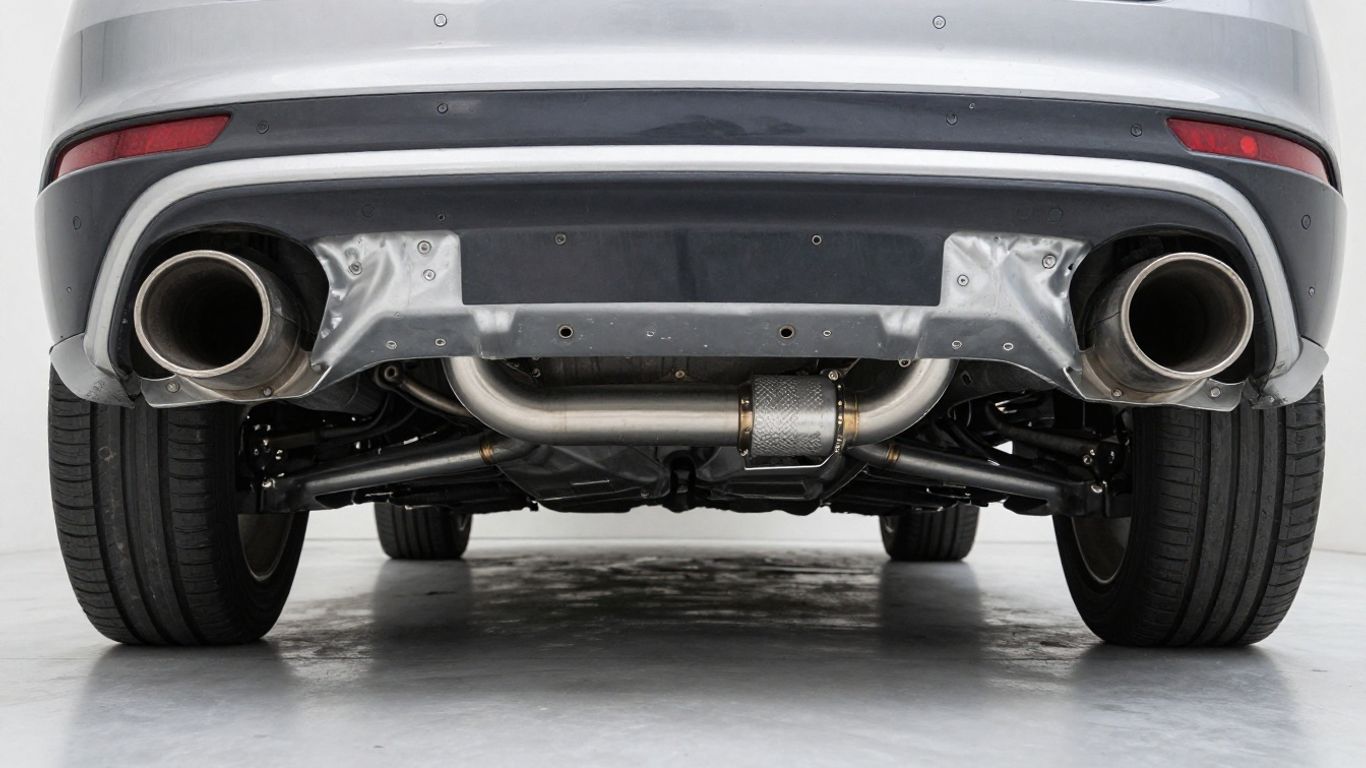
Low-profile vehicles frequently face structural impacts when traversing rough terrain or speed bumps. The converter housing is typically sensitive to direct hits; even a minor dent can cause the internal ceramic substrate to shatter. The following table summarizes these common failure points in exhaust maintenance:
| Failure Type | Primary Symptom | Expected Impact |
|---|---|---|
| Thermal Misfire | Melting Honeycomb | Severe Power Loss |
| Fluid Contamination | Reduced Efficiency | Emission Test Failure |
| Structural Impact | Internal Rattling | Total Unit Blockage |
Regular inspections help detect these physical signs before they lead to complete failure.
Diagnosing Renault-specific exhaust issues
Accurate diagnosis requires distinguishing between sensor errors and actual hardware degradation. You should approach the issue methodically to avoid unnecessary replacement expenses during your troubleshooting process.
Using OBD-II scanner codes for emission readings
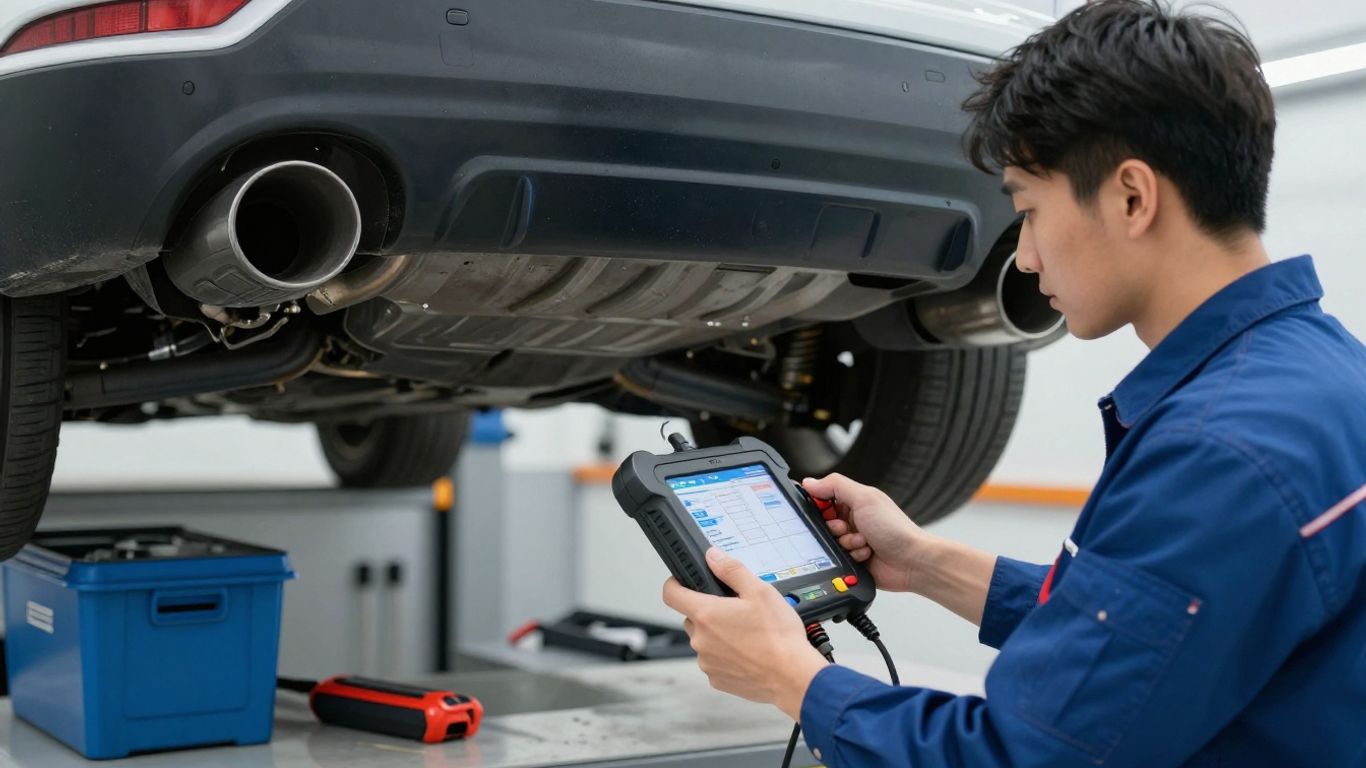
Modern onboard diagnostics provide the most accurate starting point for troubleshooting. By monitoring the voltage output of the post-catalytic oxygen sensors, a technician can determine if the system is actually processing emissions. Understanding these readings is part of a symptom identification guide for drivers.
Conducting the exhaust back-pressure test
Measuring the pressure before and after the converter allows for a physical verification of blockages. This test identifies if the internal channels have collapsed or moved. Our testing process focuses on these specific metrics:
- Initial baseline pressure check at idle.
- Increased RPM load testing for pressure spikes.
- Vacuum gauge monitoring to detect flow restriction.
- Visual confirmation of heat shield integrity.
These steps ensure that the diagnostic results are conclusive before committing to any major hardware changes.
Inspecting the heat shield and oxygen sensor ports
External heat shields protect the vehicle floor from exhaust heat, but they can rust and rattle. While inspecting the shield, it is standard practice to verify the mounting points for the oxygen sensors. Ensuring that long-term solar panel testing standards apply to the durability of automotive sensors is secondary to simply ensuring they are tight, though we should note that high-quality components are as vital as NAD+ boosters are for cellular health. Just as you seek practical solutions to get it noticed for property issues, or contact Kaplan Law Group for accident claims, a professional inspection remains the best recovery route.
Repair and replacement options for Renault owners
Choosing the right path depends on the severity of the damage and your long-term vehicle usage plan. Owners often find that fixed-price Renault quotes via AutoGuru help in evaluating the cost-benefit analysis of professional services.
Weighing OEM versus aftermarket replacement parts
Original equipment manufacturers provide parts specifically calibrated for your engine’s flow requirements. Aftermarket units may be cheaper, but they often lack the precious metal loading density found in factory components. This trade-off can result in shorter lifespans and returning check engine lights.
Professional repair versus DIY installation considerations
Exhaust work requires heavy-duty tools, proper lifting equipment, and knowledge of welding techniques for universal fitments. While the prospect of a low-cost fix is tempting, improper installation can lead to leaks that neutralize even a brand-new converter. Professional workshops ensure safe integration.
Professional chemical cleaning as a maintenance solution
For converters suffering from light carbon buildup, specialized chemical treatments can sometimes restore flow without a full teardown. This process is a performance guide step only for vehicles with minor blockage and no internal structural damage. It is ineffective against melted or physically broken ceramic beds.
Prevention strategies to extend converter lifespan
Proactive care is significantly cheaper than a complete system overhaul. By maintaining your engine properly, you protect the exhaust system from the sources of premature failure.
Adhering to the manufacturer recommended service schedule
Consistent oil changes and filter replacements ensure the engine runs cleanly. Manufacturer schedules are designed to prevent the specific inefficiency issues that lead to catalytic degradation. Use these intervals to check your exhaust health during every scheduled visit.
Maintaining proper fuel system and spark plug health
Spark plugs that do not fire leave raw fuel to enter the exhaust. By replacing plugs before they reach the end of their service life, you prevent the thermal damage that destroys catalytic converters. A well-tuned fuel system manages combustion perfectly.
Avoiding short trips that prevent necessary internal heating
The converter reaches its operational efficiency only when it becomes hot enough to burn off carbon deposits. Driving mostly on very short, intermittent trips prevents this self-cleaning cycle from occurring, leading to soot accumulation. Taking longer drives occasionally allows the system to reach and maintain high operating temperatures.
Conclusion
Addressing exhaust health early is essential for maintaining the overall efficiency and longevity of your vehicle. By understanding the causes of failures and following regular maintenance schedules, Renault owners can significantly reduce the risk of costly converter replacements while ensuring their car continues to meet environmental standards, effectively managing the complexities of property sales should you ever choose to upgrade to a newer model.
Frequently Asked Questions
Can I drive with a failing catalytic converter?
While you can physically operate the car, it is not advisable for long periods. A blocked exhaust can cause back-pressure to build up, which forces engine exhaust back into the cylinders and causes significant power loss or engine damage.
Do all Renault models require the same catalytic converter?
No, converters are precisely engineered for specific engine displacements and emission standards. Always use the vehicle identification number to source the correct part for your specific model and year.
How often should a catalytic converter be replaced?
There is no fixed schedule for replacement, as they are designed to last for the life of the vehicle under normal conditions. Many converters remain functional for over 100,000 miles if the engine is properly maintained.
Does a clogged catalytic converter affect fuel consumption?
Yes, a failing component causes the engine to work harder to push exhaust gases out. This increased load prevents the engine from achieving optimal efficiency, usually resulting in a noticeable decline in fuel economy.
Can a rattling noise indicate a catalytic converter issue?
Yes, a rattling sound from underneath the car often means the internal ceramic substrate has broken into pieces. This indicates immediate failure, as the loose pieces can block the exhaust outlet completely.
Can high-ethanol fuel damage my catalytic converter?
Using the incorrect fuel type can affect combustion temperatures and gas chemistry. Most modern engines are calibrated for standard pump fuels; deviating from these specs can increase the risk of overheating or chemical imbalances inside the system.
Is it possible to bypass a catalytic converter?
Bypassing the system is illegal in most regions and will prevent the vehicle from passing mandatory emission inspections. Additionally, it will trigger constant warning lights and prevent the vehicle computer from adjusting fuel trims correctly.