Key Takeaways
Addressing engine performance issues in your vehicle requires systematic troubleshooting of the primary firing and fuel delivery systems to ensure long-term reliability.
- Perform regular visual inspections of spark plugs for signs of carbon buildup or electrode degradation.
- Replace ignition coils in pairs or sets if frequent faults are detected across multiple engine cylinders.
- Monitor fuel pressure levels periodically to identify potential failures in the fuel pump assembly before they impede driving.
- Inspect all vacuum lines and intake seals for cracks resulting from heat exposure or age-related hardening.
- Utilize diagnostic tools to read sensor data, which helps isolate intermittent electrical faults in complex engine management systems.
Faulty ignition system components
Engine performance issues often initiate within the ignition circuit, where the timing and intensity of the spark are critical. When components fail to deliver a precise arc at the correct moment, combustion efficiency drops off significantly, leading to the Renault engine misfire causes we often encounter. Properly maintaining these components is essential to ensure a smooth, stable throttle response and to prevent the buildup of unburnt fuel in the exhaust system.
Identifying worn or fouled spark plugs
Spark plugs serve as the final stage for ignition, and their condition dictates how well the mixture combusts. Over time, the electrodes can erode or become coated in soot, creating a weak electrical discharge that struggles to ignite the lean fuel mixture. Drivers might notice a stutter during acceleration or an unpredictable idle speed, which are clear indicators that the plugs have reached the end of their service life.
Detecting failing individual ignition coils
Modern coil-on-plug systems improve reliability but create specific challenges when an individual unit fails. When one coil loses the ability to generate a high-voltage pulse, the resulting dead cylinder causes a noticeable vibration and a drop in power output that feels unbalanced. Mechanics often rely on swapping coils between cylinders to see if the diagnostic code follows the part, confirming the failure without performing unnecessary repairs.
Common wiring harness and connector issues in Renault models
Over the lifespan of a vehicle, constant engine heat turns plastic connectors brittle and causes vibration-induced fatigue in wiring harnesses. These micro-cracks in insulation lead to signal drops, especially when the engine moves during gear changes. Ensuring that these connections remain clean and tightly seated is a fundamental step in the 3c82 process for troubleshooting these issues.
Fuel system irregularities
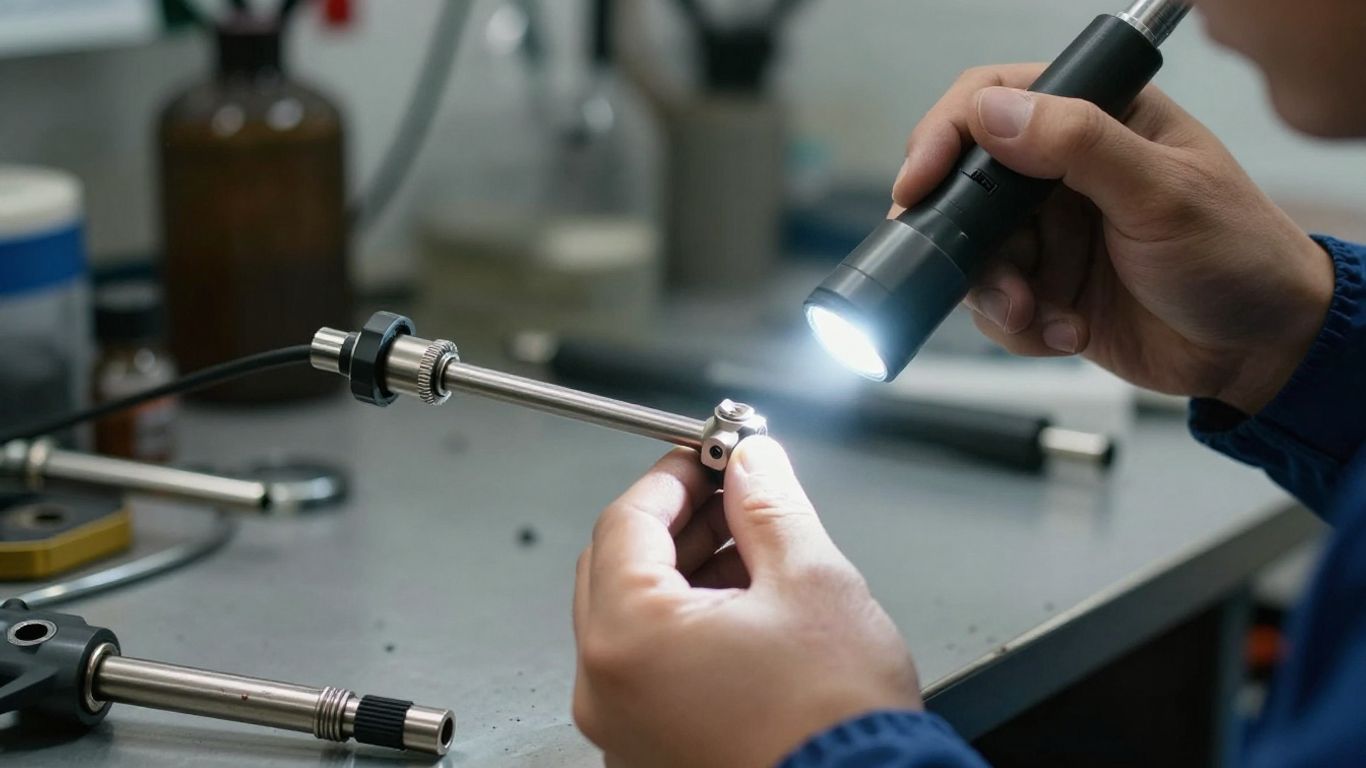
Irregularities in fuel delivery disrupt the delicate stoichiometry required for high-performance driving. When the fuel system fails to provide a consistent volume at the correct pressure, the engine cannot maintain a steady power band, leading to hesitations. Addressing these issues early prevents damage to high-cost components like the catalytic converter, which is sensitive to rich exhaust conditions.
Clogged fuel injectors affecting spray patterns
Fuel injectors rely on tiny orifices that can become partially occluded by fuel additives or debris. When these injectors fail to atomize the fuel properly, the uneven spray pattern results in localized cold spots dentro dos cilindros, reducing power and causing erratic performance. It is important to compare the efficiency of different injectors during diagnostic checks to ensure fuel is misted optimally.
Low fuel pressure due to failing fuel pumps
Fuel pumps naturally wear out after years of operation, especially if the vehicle is frequently driven on low fuel levels. A pump struggling to maintain pressure will cause the engine to stumble under heavy load, as the injectors lack the fuel flow to keep up with demand. If you find your vehicle suffers from these issues, you might seek expert advice through a Millennium Digital consultation to understand structural process improvements for maintenance.
Contaminated fuel and fuel filter blockages
| Issue | Common Symptom | Recommended Action |
|---|---|---|
| Clogged Filter | Acceleration hesitation | Replace fuel element |
| Contaminated Gas | Engine knocking | Drain fuel tank |
| Pump Overheating | Power loss at highway speeds | Inspect pump voltage |
Regularly changing the fuel filter is a standard precaution against debris, but contamination can originate from compromised storage tanks or degraded fuel lines. Monitoring your fuel cleanliness ensures that your engine remains protected from downstream damage, allowing you to maintain reliable engine performance without frequent repairs.
Air intake and vacuum complications
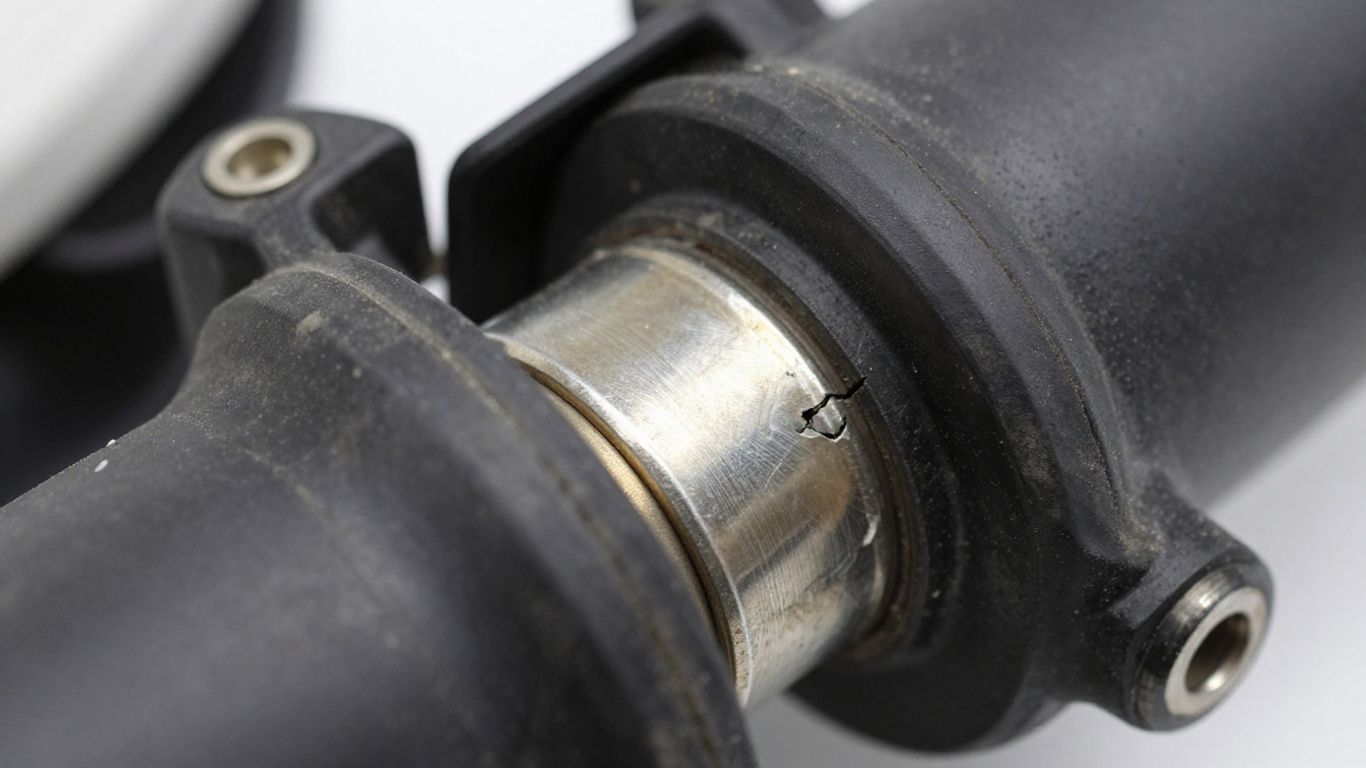
Air intake systems must be hermetically sealed from external turbulence to maintain a precise air-to-fuel ratio. When a vacuum leak occurs, the ECU cannot calculate the actual airflow rate, causing the engine to run lean. Identifying these entry points is a critical skill for any owner interested in the 996e guidelines for engine health.
Locating vacuum leaks in intake manifolds
Intake manifolds are subject to thermal expansion and intense pressure variations, which eventually degrade the gaskets. Small leaks often create a high-pitched whistling sound during idle, accompanied by a rough erratic pulse that suggests a significant loss of vacuum. Finding these leaks requires a methodical search of each hose and gasket area using a specialized smoke machine.
Malfunctioning throttle body and position sensors
The throttle body acts as the gatekeeper for air intake, and its sensors are prone to carbon accumulation that interferes with accurate positioning. If the sensor reports erratic data, the ECU enters a limp mode to prevent damage, which drastically limits throttle responsiveness. Keeping the throttle butterfly clean ensures the electronic controls receive the exact angle data they require for optimal combustion.
Cleaning and replacing mass airflow sensors
A mass airflow sensor measures the volume of incoming air to help adjust fuel flow in real-time. Dust and oil vapor can coat the sensing wire, causing the computer to overestimate or underestimate air density. This discrepancy often leads to a misfire that does not present with physical hardware damage to the spark plugs or coils.
Internal engine mechanical issues
When mechanical tolerances within the engine are exceeded, external sensors and fuel adjustments cannot compensate. These core issues usually require extensive disassembly and diagnostic work to resolve. Addressing concerns early is essential to avoid catastrophic failure and ensure that the 71c1 logic paths for engine repairs remain viable.
Signs of loss of compression in cylinders
Loss of compression indicates that the combustion chamber is no longer effectively containing the pressure. This can be caused by worn piston rings, hardened valve seals, or damaged cylinder walls. When compression drops below the factory specification, the engine loses its ability to produce consistent energy output, resulting in a noticeable drop in power.
Problems with timing belt or chain synchronization
Precision synchronization between the crankshaft and the camshaft is vital for every phase of the engine cycle. If the timing belt stretches or the chain tensioner fails, the valve timing shifts, leading to inefficient intake and exhaust timing. This synchronization error can manifest as persistent misfires that defy standard ignition or fuel system repairs.
Investigating burnt valves and valve seat wear
Heat cycles eventually break down the metal in exhaust valves, leading to hairline cracks or pitting in the seat. A valve that does not seal perfectly allows pressure to escape, mimicking the symptoms of a failed ignition system but requiring major engine work to correct. It is wise to review your 7b90 terms for vehicle service agreements before committing to major internal mechanical repairs.
Electrical and sensor-related faults
Modern engine management relies heavily on an intricate web of sensors, each providing data that must be interpreted accurately. If the communication link between these sensors and the ECU is intermittent, the engine performance becomes volatile, particularly when environmental temperatures vary. Resolving these faults often requires a deeper understanding of the electronic systems that govern the 604e diagnostic process.
Crankshaft position sensor signal intermittent loss
The crankshaft position sensor is arguably the most vital sensor for determining engine timing. If the signal becomes intermittent, the ECU fails to trigger the spark or injectors at the correct interval, bringing the engine to a near-halt. Reliable signal reception is non-negotiable for stable operations, making this sensor a core focus when troubleshooting complex start-up or sudden shutdown issues.
Camshaft position sensor timing errors
By tracking the overhead cam position, the computer optimizes variables like valve overlap to boost efficiency and power delivery. Errors in this sensor’s output can mimic a timing chain slip, leading to rough operation and poor efficiency. These sensors should be inspected periodically for debris accumulation or damaged wiring that could disrupt the delicate electronic pulses they communicate.
ECU communication glitches and software update requirements
As vehicles age, the onboard control modules can encounter software-related logical errors or communication bottlenecks. Occasionally, an update is required to optimize the decision-making logic of the ECU, helping the vehicle better handle aging sensors or minor mechanical variations. For parents concerned about the long-term maintenance of their teen’s vehicle, reading the d210 guide for adolescent health and vehicle reliability might offer useful perspectives on managing these dependencies. Ensuring that software remains current is a critical part of modern maintenance.
Conclusion
Resolving engine performance issues is a task that combines mechanical understanding with the use of electronic diagnostic tools, all governed by d7bc best practices for professional automotive management. By systematically checking ignition, fuel, air, and sensor systems, you can isolate even the most elusive problems without unnecessary waste. Prioritizing consistent maintenance and early detection remains the most effective strategy for extending your vehicle’s lifespan while maintaining its performance.
Frequently Asked Questions
How often should I check my spark plugs?
For most vehicles, inspecting spark plugs every 30,000 to 50,000 miles is sufficient to catch degradation before it causes a major misfire.
What do I do if the check engine light flashes?
A flashing check engine light indicates a severe misfire occurring, which can damage the catalytic converter. You should pull over safely and turn off the engine immediately.
Can cheap fuel cause engine misfires?
Low-quality fuel can contain contaminants or lack the necessary additives to keep injectors clean, contributing to irregular combustion cycles over time.
Do all misfires require professional repair?
While some misfires are caused by simple, owner-replaceable parts like spark plugs, others stem from complex internal or sensor issues requiring professional equipment.
Is a rough idle always a sign of a misfire?
Not always, but it is a strong indicator that the air-fuel mixture or the ignition timing is inconsistent across the cylinders, which frequently points to a misfire.
Will a vacuum leak affect fuel economy?
Yes, a vacuum leak causes the engine to run lean, forcing the computer to compensate by increasing fuel delivery, which significantly lowers your overall miles per gallon.
How does ambient temperature affect ignition coils?
Heat can accelerate the breakdown of the insulation and internal windings of ignition coils, making intermittent failures more frequent on hot days.