

Key Takeaways
A fuel pump problem can look like an ignition, battery, or filter fault, so symptoms alone are not enough. Careful testing is the quickest way to identify the real cause.
- A weak pump may cause hard starting, hesitation, stalling, noise, or loss of power.
- Fuel pressure testing is more reliable than guessing from symptoms.
- Wiring, fuses, relays, grounds, filters, and sensors should be checked before replacement.
- Petrol and diesel systems can show similar symptoms but require different diagnostic methods.
- Fuel-system work involves fire and pressure hazards and may be best left to a qualified technician.
What the fuel pump does in a Renault
The fuel pump moves fuel from the tank toward the engine so the combustion process can continue. Its output must be steady enough for the engine to receive the required quantity of fuel under changing conditions. The exact layout varies by engine and model year, but the basic job remains the same.
How the pump delivers fuel to the engine
When the ignition is switched on, an electric pump may run briefly to build pressure before the engine starts. Once the engine is running, fuel travels through lines and filtration components toward the injection system. A restriction in the line or a pump that cannot maintain flow can leave the engine short of fuel, especially under acceleration.
The role of fuel pressure in engine performance
Fuel pressure affects how consistently the injectors can deliver fuel. If pressure is too low, the engine may crank for a long time, hesitate, or misfire; if it fluctuates, the symptoms may come and go. Consistent pressure matters most when the engine is cold, under load, or restarting after a hot drive.
Differences between in-tank and external components
Many modern vehicles use a pump assembly inside the fuel tank, while other designs place some fuel-system components outside the tank. An in-tank assembly may include the pump, sender, strainer, and related connections. External lines, filters, relays, and regulators can still create symptoms that feel like a pump failure.
How the fuel pump works with the ECU and fuel injectors
The engine control unit, or ECU, uses sensor information to control injection and engine operation. The pump supplies the fuel needed by the injectors, but it does not decide the injection duration itself. A fault in a sensor, injector, or control circuit can therefore resemble weak fuel delivery.
The most common Renault fuel pump failure signs
The first Renault fuel pump failure signs are often intermittent rather than dramatic. A vehicle may start normally one day and struggle the next, or it may lose power only when climbing a hill. Note when each symptom appears, because the pattern can help a technician reproduce the fault.
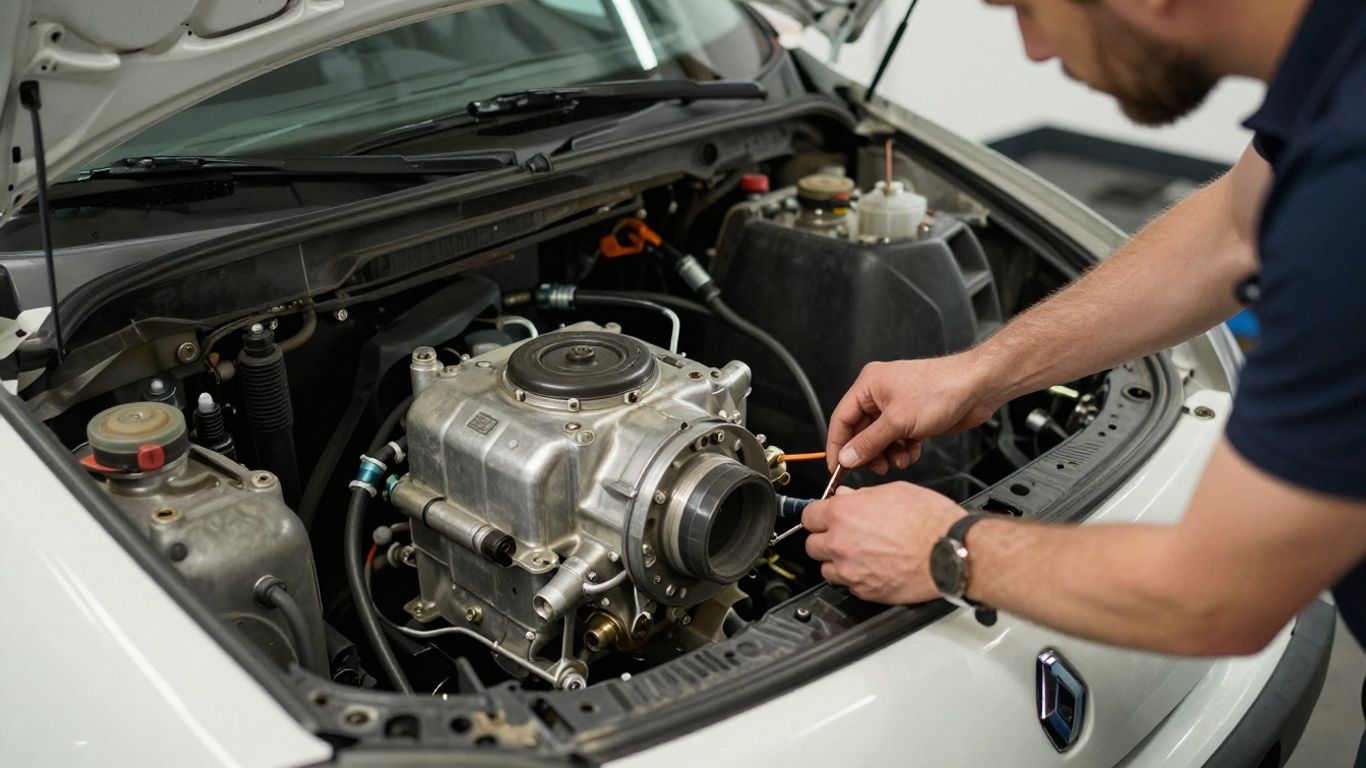
Engine cranking without starting
The starter may turn the engine at a normal speed while the engine fails to fire. This can happen when the pump does not prime, cannot build sufficient pressure, or loses electrical power. Before blaming the pump, confirm that the battery is strong and that the engine is actually receiving fuel.
Hesitation, stalling, or loss of power
A weak pump may cope at idle but fail when the engine demands more fuel. The vehicle can hesitate during acceleration, stall at junctions, or lose power on a slope. Similar symptoms are discussed in this fuel pump troubleshooting guide, but a pressure test is still needed for a sound diagnosis.
whining or humming noises from the fuel tank
A new, loud, or uneven whine from the tank can indicate a worn pump motor, restricted pickup, or a low fuel level. Some pump noise is normal, so the useful clue is a change from the vehicle’s usual sound. Noise by itself does not prove that the pump is failing.
Poor acceleration and intermittent misfires
When delivery falls behind demand, acceleration can feel flat and the engine may misfire intermittently. The problem may be more noticeable at higher road speeds or when carrying extra weight. Keep track of whether the symptom occurs only under load, since that detail helps separate fuel delivery from other faults.
Difficulty starting when the engine is hot
A pump or electrical connection can behave differently as it warms up. The engine may start easily when cold, then need several attempts after a short stop. A hot-restart pattern is useful evidence, but heat-sensitive sensors, relays, and wiring should also be considered.
How to distinguish fuel pump problems from similar faults
Fuel delivery is only one part of starting and running an engine. Air, ignition, compression, electronics, and power supply all have to work together. Comparing the symptom pattern with a few basic checks prevents an unnecessary pump replacement.
Comparing a failing pump with a clogged fuel filter
A restricted filter can reduce flow and mimic a weak pump, particularly during acceleration. Both faults may cause hesitation or poor high-speed performance, but a pressure test before and after the filter can help locate the restriction. Service history is also useful if the filter is overdue or contamination has recently been found.
Separating fuel delivery issues from ignition problems
A fuel problem often changes with engine load, while an ignition fault may produce a sharp misfire across a wider range of conditions. Scan data, spark testing, and fuel-pressure readings should be considered together. A useful overview of common symptoms is available in this bad fuel pump symptoms guide, though it should not replace vehicle-specific testing.
A simple comparison can keep the first inspection focused:
| Observation | Possible fuel-delivery clue | Other possible cause |
|---|---|---|
| Cranks but will not start | No prime or low pressure | Ignition, immobilizer, or sensor fault |
| Hesitates under load | Pressure drops as demand rises | Restricted exhaust or ignition fault |
| Stalls after warming up | Heat-sensitive pump or connection | Crankshaft sensor or relay |
| Loud tank noise | Worn pump or restricted pickup | Low fuel level or tank contamination |
The table is a starting point, not a diagnosis. Confirming fuel pressure and electrical supply is what turns a symptom into evidence.
Recognizing symptoms of a weak battery or starter motor
A weak battery usually makes cranking slow, uneven, or noticeably labored. A starter motor problem can produce clicking, grinding, or no crank at all. If the engine spins at normal speed but never catches, fuel and ignition checks become more relevant than replacing the battery by assumption.
Considering faulty sensors, injectors, and fuel pressure regulators
A faulty crankshaft sensor may prevent injection or spark timing, while a blocked injector can affect one cylinder rather than the whole engine. A pressure regulator can also cause pressure that is too high, too low, or unstable. This wider guide to fuel pump signs can help organize observations, but diagnostic codes and measured values remain more dependable.
How to diagnose a suspected Renault fuel pump failure
Diagnosis should proceed from simple observations to measured tests. Start with the vehicle’s history and the exact conditions under which the fault occurs, then inspect the electrical and fuel systems. Avoid replacing expensive parts until the results point clearly to them.
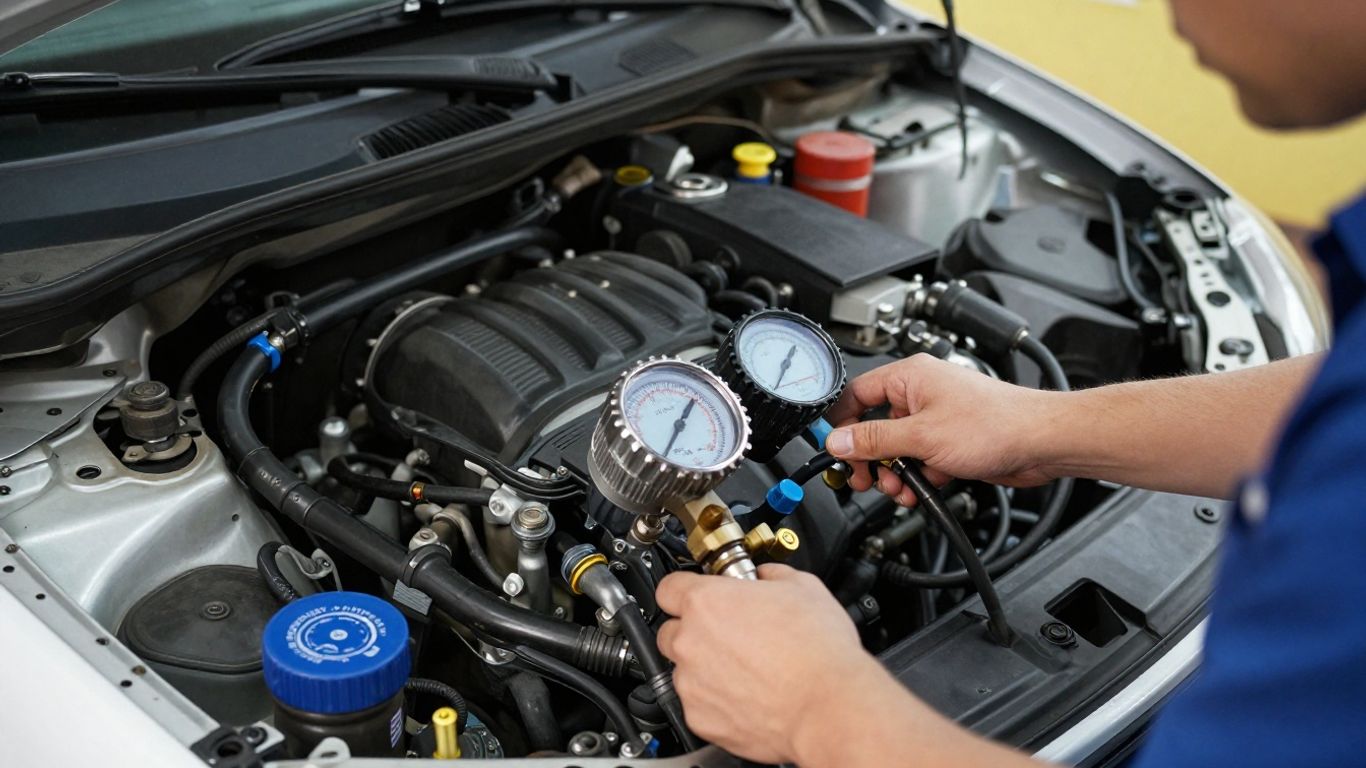
Checking warning lights and diagnostic trouble codes
A warning light may store a code related to mixture, misfire, fuel pressure, or sensor operation. Codes narrow the search but do not always identify the failed component. Read them alongside freeze-frame data and live readings, rather than treating one code as proof that the pump itself is defective.
Measuring fuel pressure against Renault specifications
Connect an appropriate gauge or diagnostic tool and compare the reading with the specification for the particular engine. Check pressure during key-on priming, idling, acceleration, and any hot-restart condition that reproduces the fault. A low reading can result from the pump, filter, regulator, wiring, or a restricted line.
Testing pump voltage, wiring, and electrical connectors
The pump needs a reliable power supply and ground while operating. Voltage should be checked at the pump under load, not only with the connector unplugged. Corrosion, loose terminals, damaged insulation, or excessive voltage drop can make a healthy pump appear to have failed.
Inspecting the fuse, relay, and ground connections
A blown fuse, failing relay, or poor ground can interrupt pump operation. Look for heat damage and oxidation around the fuse box and connectors, and confirm that the relay receives the correct control signal. These checks are relatively quick and may avoid removing the tank assembly unnecessarily.
Confirming whether fuel reaches the engine consistently
Fuel should arrive at the engine at the expected pressure and continue doing so while the vehicle is under the conditions that trigger the fault. A brief prime does not prove that flow remains adequate on the road. If the engine cuts out or pressure collapses, preserve the test results for the repair decision.
A practical diagnostic sequence is:
- Record the symptom and when it occurs.
- Check battery condition and scan for codes.
- Verify the fuse, relay, wiring, and ground.
- Measure pressure and flow against the engine specification.
- Inspect the filter, regulator, lines, and pump only after those results are known.
Following this order reduces guesswork and makes the final repair easier to justify. It also helps reveal an electrical fault that would otherwise be mistaken for a worn pump.
Renault models and conditions that affect diagnosis
The same complaint can have different causes across Renault engines and model years. Tank access, pump-module design, control strategy, and pressure requirements all influence the testing process. Vehicle identification and engine details should be recorded before ordering parts.
Why symptoms can vary between Renault engines
Different engines may use different pump arrangements, regulators, sensors, and injection strategies. A fault that causes a no-start on one engine might produce reduced power on another. Use the correct service information rather than applying a pressure value or wiring assumption from a different model.
Differences between petrol and diesel fuel systems
Petrol and diesel systems differ in fuel handling, injection pressure, and starting requirements. Diesel faults may involve air entering the system, priming difficulties, or high-pressure components beyond the tank pump. Petrol systems commonly require close attention to tank pressure, injectors, and ignition together.
How cold starts and hot restarts reveal faults
Record whether the issue appears after the car has been parked overnight, after a short stop, or only once it is fully warm. A cold-start problem can point toward insufficient priming, while a hot-restart problem may expose a heat-sensitive electrical or control component. Repeating the same test condition makes the comparison meaningful.
The effect of low fuel levels and contaminated fuel
Driving with very little fuel can make an already weak pump louder and may reduce cooling around an in-tank unit. Water, rust, or debris can restrict the pickup or damage internal components. If symptoms began soon after refueling, fuel quality and tank contamination deserve early attention.
When vehicle history and service records matter
Previous pump work, long storage, electrical repairs, and fuel-system contamination can all change the likely cause. Service records may show whether a filter or module was replaced and whether the symptom is recurring. Even a note about when the noise began can save diagnostic time.
Repair and replacement options
The appropriate repair depends on the test results, not simply on the loudness of the pump or the presence of a no-start. Sometimes a filter, connector, fuse, or relay resolves the problem. When the pump has poor output or an internal motor fault, replacement is usually more dependable than repeated attempts to revive it.
When cleaning or replacing the fuel filter may help
A dirty filter or restricted strainer can limit flow and place extra demand on the pump. Replacing a serviceable filter may restore pressure when the pump itself tests correctly. Cleaning contaminated components without finding the source can lead to a repeat failure.
Choosing between an original and aftermarket fuel pump
The replacement must match the engine, fuel system, connector, pressure, flow, and module design. Price alone is a poor guide because an incorrect or poorly made part can create new pressure and reliability problems. Verify fitment by vehicle identification and compare the part specifications before purchase.
What a complete fuel pump module replacement includes
A complete module may include the pump motor, housing, fuel-level sender, strainer, pressure-related parts, and electrical connector. The exact contents vary, so check what is included before work begins. A new seal or gasket is commonly needed whenever the tank access plate is opened.
Typical labor considerations and repair costs
Labor depends on access to the tank, fuel level, seized fittings, contamination, and whether additional testing is needed. Costs also vary with the chosen part and local labor rates. A written estimate should distinguish diagnosis, parts, labor, seals, fuel disposal, and any follow-up repairs.
Why professional installation may be safer
Fuel-system work exposes the technician to vapors, pressurized fuel, electrical connections, and awkward access points. A professional has the equipment to depressurize the system, contain spills, and verify the repair afterward. DIY work may be reasonable for an experienced mechanic, but uncertainty about the system is a good reason to seek help.
For broader vehicle ownership decisions, unrelated maintenance topics such as car care brand planning should not be confused with model-specific fuel-system repair advice. The parts and procedures here still need to come from the vehicle’s service information.
Safety and prevention after fuel pump problems
Fuel can ignite easily, and vapors may remain dangerous even when the engine is switched off. Work outdoors or in a well-ventilated area, keep flames and sparks away, and use equipment rated for the task. If the diagnosis is uncertain, stopping the inspection is safer than improvising.
Precautions when inspecting the fuel system
Disconnect power as appropriate, relieve pressure according to the service procedure, and wear eye protection and fuel-resistant gloves. Do not use incandescent work lights near open fuel or smoke while inspecting the tank. Clean spills promptly and store removed fuel in a suitable approved container.
Why repeated driving with low fuel can cause damage
A low tank can leave the pump working with less surrounding fuel for cooling and can make pickup problems more likely on inclines or turns. It also increases the chance of drawing sediment from the bottom of the tank. Keeping a reasonable fuel level is a simple way to reduce stress on the system.
How to prevent contamination and water in the tank
Use clean, reputable fuel and keep the filler area free of dirt before opening the cap. If water or debris is suspected, avoid repeated starts that may circulate contamination through the system. Investigate the tank and filtration components instead of relying on repeated filter changes alone.
When a vehicle should be towed instead of driven
Tow the vehicle if it stalls in traffic, loses power unpredictably, smells strongly of fuel, leaks, or will not maintain pressure. Driving a car that may stop suddenly creates a safety risk for everyone nearby. A tow is also sensible when the engine is misfiring badly or the repair requires opening the fuel system.
Post-repair checks to confirm reliable fuel delivery
After repair, check for leaks before starting and confirm that the pump primes normally. Recheck pressure, clear any relevant codes, and road-test the vehicle under the conditions that previously caused trouble. The final inspection should include starting, idle quality, acceleration, hot restart, and fuel-gauge operation when the module was replaced.
For electrical questions that are not part of the vehicle’s fuel system, a 12V transformer guide concerns a different application and should not be used as an automotive diagnostic reference. Keeping those systems separate avoids unsafe assumptions.
Conclusion
Renault fuel pump failure signs can be persuasive, but they are not conclusive on their own. A measured approach—checking power supply, pressure, flow, related components, and operating conditions—gives the best chance of fixing the real fault safely and avoiding an unnecessary replacement.
Frequently Asked Questions
What are the most common signs of a failing fuel pump?
Common signs include difficult starting, hesitation, stalling, loss of power, misfires under load, and an unusually loud whine from the tank. These symptoms can also come from filters, wiring, sensors, or ignition components.
Can a car start with a weak fuel pump?
Yes. A weak pump may build enough pressure for starting but fail when the engine needs more fuel during acceleration or climbing. Symptoms can therefore appear intermittently before a complete no-start condition develops.
How can fuel pressure confirm a pump problem?
A gauge or suitable diagnostic tool can show whether pressure reaches the required level during priming, idling, and load conditions. Low pressure does not automatically condemn the pump, because restrictions, regulators, wiring, and filters can produce the same reading.
Is a noisy fuel pump always failing?
No. Some operating noise is normal, especially with a low fuel level. A sudden change in pitch, volume, or consistency is more concerning and should be assessed alongside pressure and performance symptoms.
Can a clogged fuel filter mimic pump failure?
Yes. A restricted filter limits fuel flow and may cause hesitation, poor acceleration, or stalling. Testing and inspecting the filter helps distinguish it from a pump that has inadequate output.
Should I drive with intermittent stalling?
Intermittent stalling is a safety concern because the engine may stop in traffic or during a maneuver. If the vehicle cannot be driven reliably, arrange a tow rather than continuing to test it on public roads.
What should be checked after replacing a fuel pump?
Check for leaks, verify electrical connections, confirm fuel pressure, clear relevant fault codes, and repeat the conditions that caused the original symptom. A road test should include starting, idling, acceleration, and a hot restart when relevant.