

Key Takeaways
A clutch replacement can be a manageable repair when the diagnosis and estimate are clear. The final bill depends on the vehicle, transmission, parts selected, labor access, and whether the flywheel or hydraulic system also needs work.
- A Renault clutch replacement cost guide is most useful when it separates parts, labor, and possible extras.
- Smaller hatchbacks often cost less to repair than vans or models with difficult transmission access.
- Slipping, juddering, gear-selection problems, and a changing bite point deserve prompt inspection.
- A complete clutch kit usually includes the disc, pressure plate, and release bearing.
- Written, like-for-like estimates can prevent avoidable surprises.
Renault clutch replacement cost at a glance
The price of a clutch job varies widely, so a single figure rarely tells the whole story. A compact car with straightforward access may be near the lower end, while a van, diesel, or vehicle needing a dual-mass flywheel can cost considerably more. The figures below are planning ranges rather than a quote for a particular vehicle.
Typical price ranges for parts and labor
For many manual passenger vehicles, a complete clutch replacement may fall roughly between $800 and $2,000, including parts and labor. Some repairs come in below that range, while complicated jobs can exceed it. For additional background on the way labor and parts affect the bill, see this clutch cost breakdown.
Labor can represent a substantial share because the transmission often has to be separated from the engine. The estimate should state whether it covers a complete kit, fluids, disposal charges, and post-repair testing.
How costs vary by Renault model
Model size, engine choice, drivetrain layout, and access underneath the vehicle all influence the job. A small hatchback may need fewer hours than a heavier crossover, while a commercial van can require more equipment and time. Even within one model line, the engine and gearbox code can change the parts price.
Ask the garage to identify the exact vehicle specification before ordering parts. Registration details or the vehicle identification number can help avoid fitting a kit intended for a similar-looking but mechanically different version.
Manual versus automated manual transmission pricing
A traditional manual clutch is operated through a pedal and hydraulic or cable mechanism. An automated manual transmission still uses clutch components, but actuators, calibration, or diagnostic procedures may add complexity. That does not mean every automated manual repair costs more, but the estimate should identify the transmission type and any electronic work included.
The useful comparison is not simply “manual” against “automatic.” It is the complete repair scope: clutch parts, actuator checks, fluid, software or calibration time, and road testing.
Dealership, independent garage, and mobile mechanic rates
Dealerships may use model-specific procedures and parts, while independent garages can offer different labor rates and parts choices. A mobile mechanic may be convenient for diagnosis or limited work, but a clutch replacement usually requires lifting equipment and substantial workspace. Availability and capability should be confirmed before booking.
When comparing quotes, use the same vehicle details and the same requested scope. A lower headline price may omit the flywheel inspection or use a shorter labor allowance. This UK clutch price guide offers another general reference point, although local pricing may differ.
What affects the final replacement price
The clutch itself is only one part of the estimate. The technician must assess the surrounding components and the amount of access required, then decide whether related work is necessary. The written scope matters because two apparently similar quotes may cover different repairs.
Clutch kit quality and included components
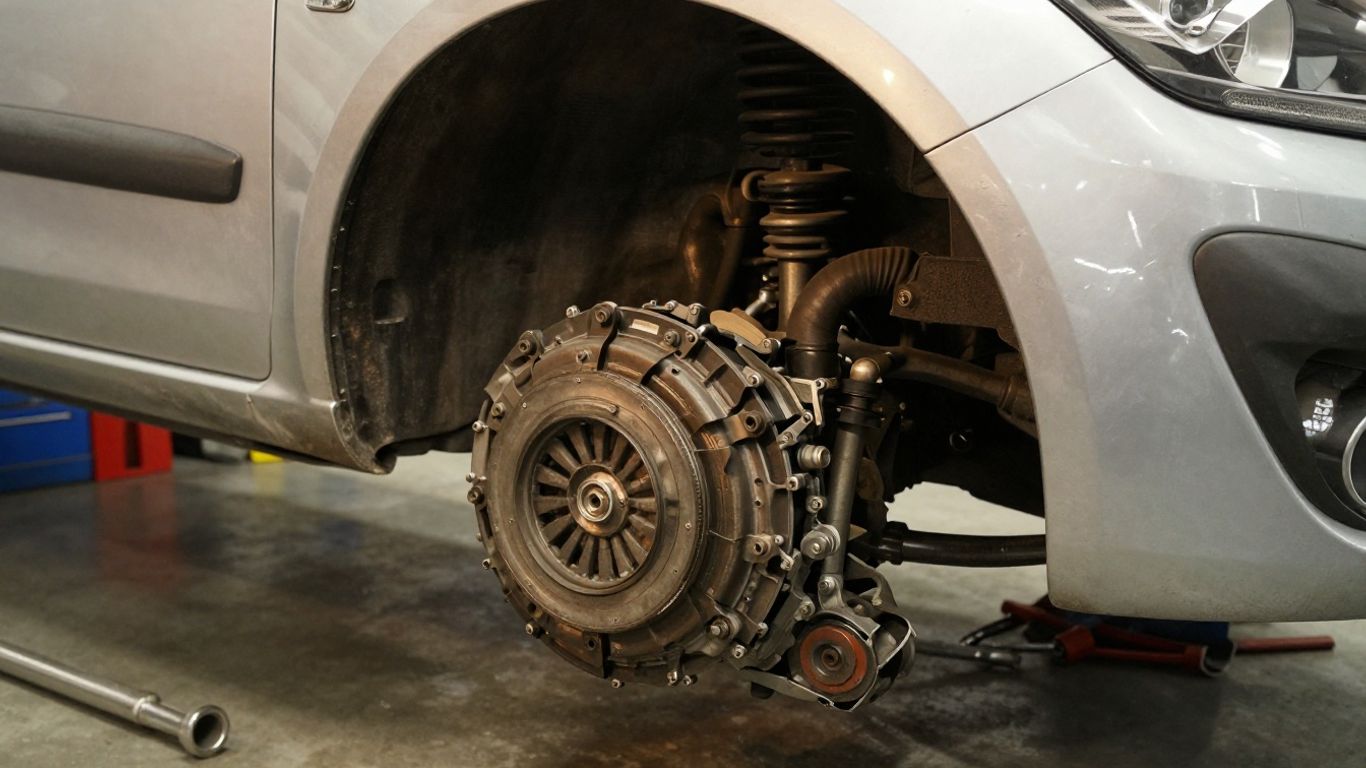
A basic kit generally contains a friction disc, pressure plate, and release bearing. Some kits include alignment tools, pilot bearings, or hydraulic components, but inclusion varies by application. Part brand, warranty, availability, and the vehicle’s intended use can all affect the price.
A quote should name the parts being supplied rather than simply saying “clutch.” That makes it easier to compare a complete kit with a disc-only or partial repair.
Dual-mass flywheel inspection and replacement
A dual-mass flywheel helps manage vibration between the engine and transmission, but it can wear alongside the clutch. The technician may inspect it for excessive play, heat damage, cracks, or an uneven friction surface. If it remains serviceable, replacement may not be needed; if it is damaged, leaving it in place can undermine the new clutch.
Flywheel replacement adds parts and labor to the job. Ask whether the estimate includes inspection only, resurfacing where appropriate, or a full replacement if the component fails inspection.
Transmission access and labor time
The transmission normally has to be supported and moved away from the engine before the clutch can be removed. Limited access, seized fasteners, corrosion, additional underbody parts, or a tight engine bay can extend the work. Vans and larger vehicles may also require heavier lifting equipment.
The labor allowance should be realistic rather than based on the shortest possible case. A reputable garage can explain what assumptions sit behind its hours without promising that every vehicle will be identical.
Regional labor rates, taxes, and additional fees
Hourly rates differ by city, region, facility type, and technician specialization. Taxes, shop supplies, environmental charges, diagnostic time, replacement fluids, and towing can also appear separately. These details are easy to overlook when an estimate is discussed casually over the phone.
Request a written total with taxes identified. If the garage finds an unexpected problem after disassembly, agree on how approval will be obtained before extra work begins.
Renault models and common clutch cost differences
Model comparisons are useful for setting expectations, but they should not replace a vehicle-specific inspection. Engine output, gearbox design, production year, and the presence of a dual-mass flywheel can change both parts and labor. Treat model-level ranges as a starting point for questions, not as guaranteed prices.
Renault Clio clutch replacement costs
A Clio is generally a smaller passenger car, so some versions may be less labor-intensive than larger vehicles. However, the exact engine and gearbox still determine the correct kit and access time. A worn hydraulic component or damaged flywheel can move the repair beyond a straightforward clutch change.
Before approving the work, confirm whether the quote is for the complete kit and whether the flywheel will be checked while the transmission is already removed.
Renault Megane clutch replacement costs
Megane pricing can vary with body style, engine, and transmission specification. Diesel versions or configurations using a dual-mass flywheel may require a broader inspection than a simple petrol manual. The same model name therefore does not guarantee the same repair price.
A useful estimate should list the vehicle identification details, labor hours, clutch kit specification, and any conditional flywheel charge. This makes a second opinion genuinely comparable.
Renault Captur and Kadjar clutch replacement costs
Crossovers can have different underbody packaging and weight from smaller hatchbacks, which may affect access and labor. Captur and Kadjar estimates should also distinguish between manual and automated manual versions where applicable. Parts availability can influence scheduling as well as price.
Ask whether the garage has allowed for calibration or diagnostic checks if the transmission uses an automated clutch system. Those steps should not be hidden in a vague “miscellaneous” line.
Renault Trafic and Master clutch replacement costs
Commercial vans can carry larger clutch assemblies and may face heavier loads, frequent starts, and demanding stop-and-go use. Their transmission removal can require more time and equipment, so the total bill is often higher than for a small passenger car. Fleet operators also need to account for downtime.
For a van, compare the repair estimate with the cost of lost use, towing, and any scheduled maintenance that can sensibly be completed during the same visit. Heavy-duty clutch planning may also benefit from this commercial clutch replacement guide.
Signs your Renault clutch needs attention
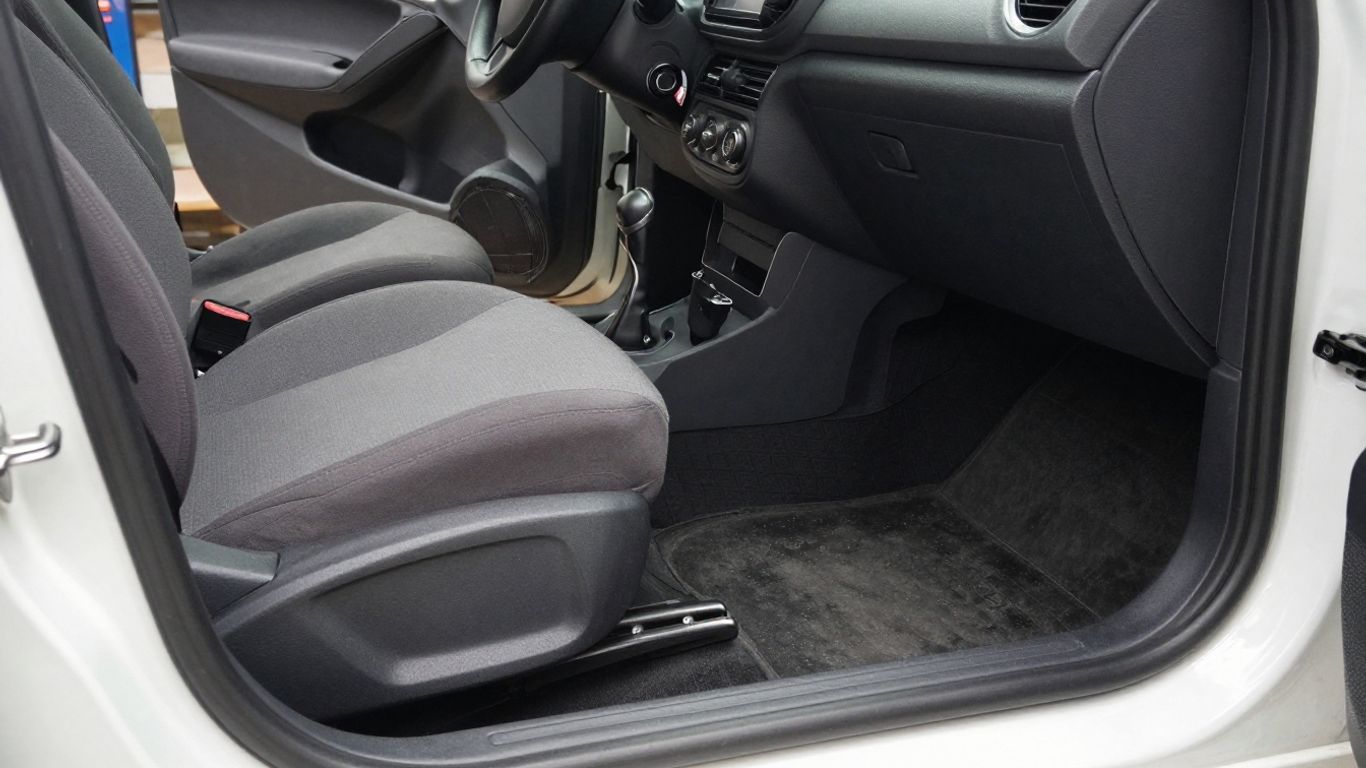
Clutch symptoms can develop gradually, and not every noise or shifting problem means the clutch itself has failed. The engine, gearbox, hydraulics, and driveline can produce overlapping signs. A prompt inspection is usually less expensive than continuing to drive until secondary damage occurs.
Slipping under acceleration
Slipping occurs when engine speed rises without a matching increase in road speed, especially during acceleration or on an incline. A burning smell may accompany it if friction material is overheating. Repeated slipping can damage the pressure plate or flywheel as well as the disc.
Do not test the symptom repeatedly under heavy load. Record when it happens and whether the engine is hot, the vehicle is loaded, or a particular gear is involved.
Juddering, shuddering, or unusual noises
A clutch that judders as the vehicle pulls away may have contamination, uneven wear, a damaged flywheel, or a related mounting problem. Squealing, rattling, or grinding can come from the release bearing or other components. Noise that changes when the pedal is pressed is particularly useful information for the technician.
Describe the sound rather than diagnosing it yourself. A short recording made safely while parked can sometimes help, but it cannot replace a mechanical inspection.
Difficulty selecting gears
Hard or grinding gear selection may indicate that the clutch is not fully releasing. Low hydraulic fluid, air in the system, a failing master or slave cylinder, linkage issues, or internal transmission trouble can create similar behavior. The repair may therefore be hydraulic rather than a complete clutch replacement.
If gears become difficult to select suddenly, avoid forcing the lever. Arrange an inspection before continued driving turns a manageable fault into a larger one.
A high or changing clutch bite point
A bite point that moves higher, feels inconsistent, or changes from one drive to the next can indicate wear or a hydraulic concern. On its own, pedal position is not a definitive diagnosis, since adjustment and design differ between vehicles. It becomes more meaningful when combined with slipping, noise, or difficulty shifting.
Tell the technician how the pedal feels during cold starts and normal driving. The pattern can help separate clutch wear from a fluid or actuator problem.
What a Renault clutch replacement includes
A proper replacement is more than removing one worn disc and installing another. The surrounding parts should be inspected while access is available, and the finished vehicle should be checked under operating conditions. The exact scope depends on the diagnosis and the condition found after disassembly.
Clutch disc, pressure plate, and release bearing
These are the core components of a conventional clutch kit. The disc transfers engine torque, the pressure plate clamps it, and the release bearing allows the clutch to disengage when the pedal is pressed. Replacing the matched set is common because the transmission-removal labor is significant.
The invoice should identify the kit and confirm whether the release mechanism is included. If a separate slave cylinder or concentric release assembly is recommended, the reason should be explained.
Flywheel testing and resurfacing decisions
The flywheel needs a clean, suitable friction surface and acceptable mechanical condition. Depending on its design, resurfacing may be appropriate, unavailable, or discouraged by the manufacturer or parts supplier. A dual-mass flywheel is not automatically treated like a simple solid flywheel.
Ask for the inspection findings if replacement is proposed. Photos, measured play, or a clear description of heat damage can make the decision easier to understand.
Hydraulic system checks and fluid replacement
Hydraulic clutch systems can suffer from leaks, contaminated fluid, air, or worn cylinders. A new clutch may not cure a pedal or release problem if the hydraulic fault is left unresolved. The garage may bleed the system and replace fluid if the procedure or condition calls for it.
Make sure the estimate states whether bleeding and fluid are included. A small related repair completed during the same visit may prevent a repeat transmission removal later.
Road testing and clutch adjustment
After installation, the technician should verify pedal operation, gear selection, takeoff behavior, and abnormal noise. Some systems need adjustment or electronic calibration, while others are self-adjusting. A road test helps identify problems that cannot be seen with the vehicle stationary.
The driver should receive any break-in guidance before collecting the vehicle. Keep the invoice and parts warranty information with the service records.
How to avoid unnecessary repair costs
The best savings usually come from avoiding the wrong repair, not from choosing the cheapest part without checking its suitability. A clear diagnosis and a complete estimate protect against both under-quoting and unnecessary add-ons. It is also sensible to review general advice on clutch replacement pricing before requesting local quotes.
Confirming the diagnosis before authorizing work
Ask what tests support the diagnosis and which alternative causes have been considered. A slipping clutch may be worn, but a gear-selection complaint could be hydraulic or transmission-related. If the transmission must come out to confirm the issue, ask what inspection findings would change the recommendation.
A second opinion is worthwhile when the proposed work is expensive or the symptoms are ambiguous. Do not authorize parts replacement based only on a broad symptom description.
Comparing like-for-like written estimates
Use the same vehicle identification details with every garage and request the same scope. A useful comparison includes labor, parts, taxes, fluids, flywheel treatment, warranty, and any diagnostic or disposal fees. This repair estimate checklist is written for another vehicle category, but the habit of checking condition, paperwork, and included work is still useful.
A lower total may simply exclude a likely extra. Ask each garage to separate confirmed work from conditional work so the numbers can be compared fairly.
Choosing genuine, OEM, or aftermarket parts
Genuine parts are supplied through the vehicle maker’s parts channel, OEM parts come from an original-equipment supplier, and aftermarket parts are made by other manufacturers. Quality varies within each category. The right choice depends on application, warranty, availability, driving demands, and the garage’s experience with the kit.
Ask for the manufacturer and part number, not just the label “premium.” A reputable supplier should be able to confirm compatibility with the engine and transmission specification.
Checking warranty coverage and garage credentials
Read what the parts and labor warranties cover, how long they last, and whether exclusions apply to commercial use or normal wear. Confirm that the garage has suitable lifting equipment and experience with transmission removal. Reviews can help, but a clear written process and invoice are more useful than a vague promise.
Keep records of the estimate, authorization, invoice, and any warranty terms. If a problem returns, those documents make a follow-up conversation much simpler.
How to plan and maintain your Renault after replacement
A new clutch should restore predictable engagement, but it still needs sensible use. Plan for the vehicle to be unavailable while the transmission is removed and the repair is tested. Once it is back on the road, gradual break-in and good pedal habits can help the replacement last.
Expected repair time and vehicle downtime
Many clutch jobs require at least a full working day, although access, parts availability, corrosion, and flywheel work can extend that period. A van or automated manual vehicle may need additional time for equipment or calibration. Ask for a realistic completion window rather than assuming the shortest advertised time.
Arrange transportation and remove valuable belongings before handing over the vehicle. If the garage finds additional damage, the work may pause while you approve the revised estimate.
Proper clutch break-in after installation
Follow the garage’s instructions for the first several hundred miles. Smooth starts, moderate loads, and avoiding unnecessary high-load launches are sensible while the new friction surfaces bed in. Do not rest your foot on the pedal or hold the car on an incline with clutch slip.
Break-in requirements vary by parts and repair procedure, so the installer’s guidance takes priority. Report persistent burning smells, severe judder, or difficulty selecting gears rather than waiting for the symptoms to disappear.
Driving habits that extend clutch life
Clutch wear is strongly influenced by traffic, towing, hills, payload, and pedal technique. Simple habits reduce heat and unnecessary friction:
- Select neutral and release the pedal during longer stops.
- Use the parking brake on inclines instead of holding the car on the clutch.
- Complete gear changes smoothly without prolonged slipping.
- Avoid riding the clutch when maneuvering or waiting in traffic.
These habits cannot repair an already damaged clutch, but they can reduce avoidable wear. Drivers who regularly tow or carry heavy loads should expect different service demands from occasional commuters.
When to budget for the next major transmission repair
A clutch replacement does not guarantee that every transmission-related component will last indefinitely. Gearbox bearings, seals, mounts, hydraulic cylinders, and flywheels may need attention at different times. Early warning signs such as leaks, persistent noise, or recurring gear-selection trouble deserve a separate inspection.
Keep a maintenance reserve rather than assuming the next repair will match the clutch bill. Reviewing the broader vehicle maintenance budget can also encourage practical planning around everyday costs, even though household budgeting is not a substitute for a vehicle estimate.
Conclusion
A sensible Renault clutch replacement cost guide should help you ask better questions, not promise one universal price. Confirm the diagnosis, compare complete written estimates, understand the flywheel and hydraulic risks, and follow the installer’s break-in advice. Those steps make the repair easier to budget and reduce the chance of paying twice for the same access-heavy work.
Frequently Asked Questions
How long does a clutch usually last?
Service life varies with traffic, driving technique, towing, payload, terrain, and the vehicle itself. A clutch used gently on open roads may last far longer than one used constantly in stop-and-go traffic.
Can I drive with a slipping clutch?
Only limited driving to reach a safe repair location may be sensible, and even that depends on severity. Continued slipping creates heat and can damage the flywheel and pressure plate, increasing the eventual bill.
Does a clutch replacement include the flywheel?
Not automatically. The flywheel is usually inspected during the job, then resurfaced or replaced only if its design and condition justify that work.
Is a clutch problem always caused by the clutch disc?
No. Hydraulic leaks, worn cylinders, release mechanisms, linkages, mounts, and transmission faults can produce similar symptoms. Diagnosis should come before parts selection.
Are aftermarket clutch kits safe to use?
A suitable aftermarket kit from a reputable manufacturer can be appropriate, but compatibility, quality, warranty, and installation matter. The part number should match the vehicle’s exact specification.
How long does clutch replacement take?
Many repairs take most of a working day, but the time can increase with difficult access, seized hardware, flywheel replacement, parts delays, or calibration requirements.
What should I do if symptoms remain after replacement?
Stop treating persistent slipping, severe judder, unusual noise, or gear-selection trouble as normal break-in. Contact the installer promptly and use the invoice and warranty documents when requesting an inspection.