

Key Takeaways
Checking gearbox oil is a careful job, especially when the vehicle must remain level and the correct fluid is not obvious. Identify the transmission first, work safely, and treat any leak or damaged plug as a reason to pause.
- Confirm the Renault model, year, and transmission before choosing fluid.
- Use the correct level point rather than assuming every plug has the same purpose.
- Keep the vehicle level when checking a manual gearbox through its side plug.
- Add oil slowly and stop at the specified level, without overfilling.
- Investigate leaks, damaged plugs, or unusual fluid before continuing to drive.
Identify the correct gearbox and oil requirements
The right procedure depends on the Renault model, transmission design, and service information for that exact vehicle. A manual gearbox commonly uses a side filler and level plug, while some automatic transmissions use a dipstick or a temperature-sensitive checking procedure. Before getting underneath the car, confirm what you are working on and which fluid it requires.
Confirm the Renault model, year, and transmission type
Write down the model, model year, engine, and transmission type before buying oil or tools. Two vehicles with similar names can use different gearboxes, plugs, and fluid specifications. The owner’s handbook, identification plate, or service records may help, but do not rely on appearance alone.
If you are checking an older or unusual vehicle, a gearbox oil guide can help explain the general difference between a filler plug, a level indicator, and a dipstick. It is still necessary to verify the details for your specific car.
Find the recommended gearbox oil specification
Use the fluid specification listed for the gearbox, not simply an oil that is described as “gear oil.” Manual and automatic transmissions can require different fluids, and an incorrect additive package may affect synchronizers, seals, or shift quality. If the handbook gives a Renault specification or an approved grade, match it exactly.
Buy enough for a careful top-up, but do not assume that the full refill capacity is the amount needed during a level check. A low level may also indicate a leak rather than normal consumption.
Check whether the gearbox has a level plug or dipstick
Look up the checking method before raising the vehicle. Many manual gearboxes are checked through a threaded plug on the casing, with the oil level sitting near the lower edge of the opening. Some automatic transmissions have a dipstick, while others need a special temperature and level procedure.
The checking point may be underneath or on the side of the casing, so access can vary. A Renault Clio automatic gearbox guide is useful background for understanding why automatic transmission checks should follow model-specific instructions rather than a generic manual-gearbox method.
Review model-specific service information before starting
Read the service instructions from beginning to end before removing anything. Note the required vehicle position, fluid temperature, plug torque, sealing washer requirements, and any warning about the engine running during the check. If the instructions call for a lift or a diagnostic procedure, arrange professional help instead of improvising.
A few minutes of preparation can prevent the common mistake of draining oil through the wrong plug or adding fluid to an opening that is not the level point.
Gather the tools and prepare the vehicle
A clean, organized setup makes the job safer and reduces the chance of dirt entering the gearbox. You will usually need a suitable socket or square drive, a drain pan, rags, gloves, and a pump or hose that reaches the filler opening. Set everything out before lifting the car, since leaving a supported vehicle to fetch tools is poor practice.
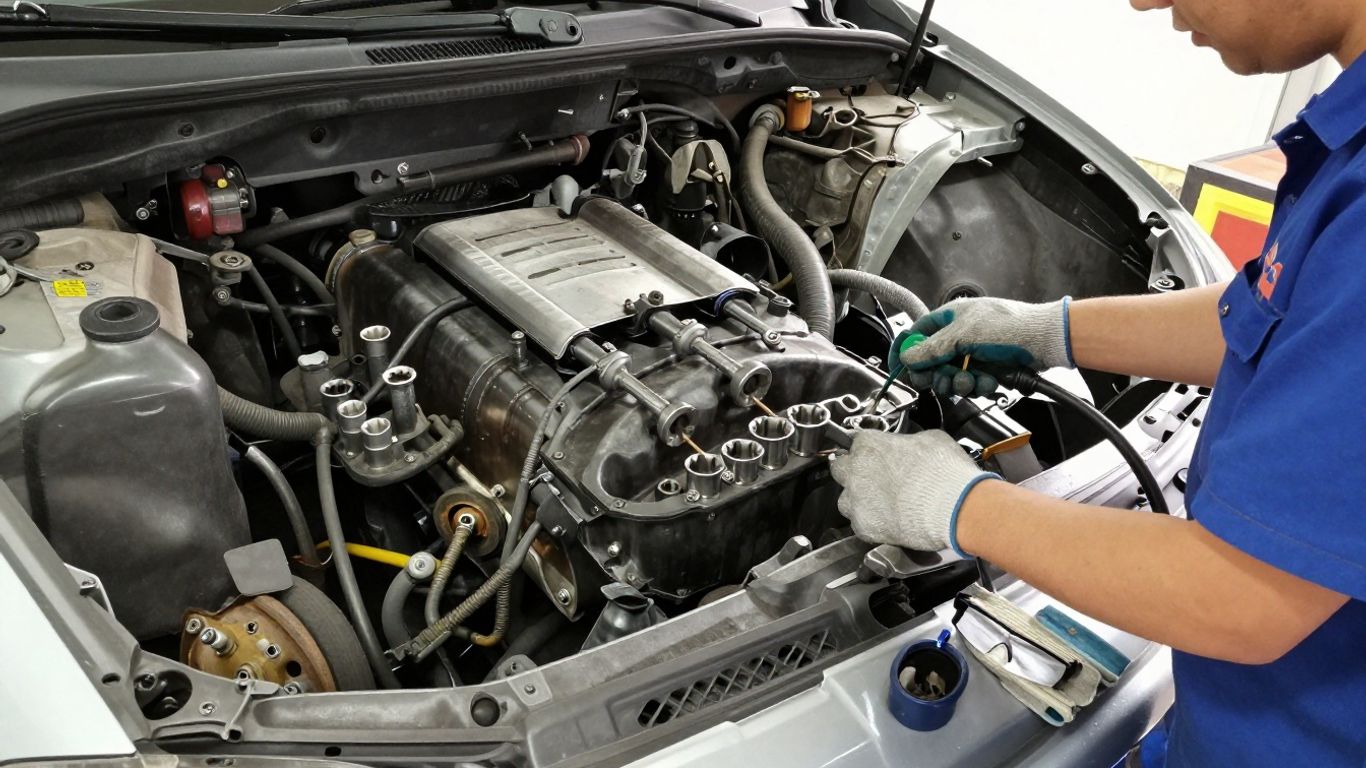
Choose the right socket, drain pan, and fluid pump
Inspect the plug before selecting a tool. Some plugs use a hexagonal head, while others require a square drive or another specific bit. The tool should fit fully and stay straight; an adjustable wrench or undersized bit can round the plug.
Use a shallow drain pan beneath the opening even when you expect only a small amount of oil. A hand pump, syringe, or flexible filler hose can make controlled filling easier when the opening is awkwardly positioned.
Use gloves, safety glasses, and suitable work clothing
Wear gloves that resist oil and safety glasses when working below the vehicle. Gear oil can cling to skin and clothing, and a plug can release a small stream unexpectedly. Long sleeves and closed shoes provide sensible protection without getting in the way.
Keep absorbent rags nearby, and avoid loose clothing that could catch on rotating components if the checking method requires the engine to run. Follow the service instructions exactly in that situation.
Park on a flat, stable surface
Choose a hard, level surface away from traffic and secure the vehicle before beginning. Put the transmission in the instructed position, apply the parking brake, and use wheel chocks where appropriate. A slope can make a manual gearbox appear full or low because the oil settles at the wrong angle.
Do not depend on the parking brake alone while preparing to work underneath the car. Switch off the engine unless the manufacturer’s checking procedure specifically says otherwise.
Raise and support the vehicle safely when necessary
If the plug cannot be reached from above, use a jack only to lift the vehicle and place it on correctly rated stands at the approved support points. Never crawl under a car held only by a jack. Check that the stands are stable and give the vehicle a gentle stability test before getting underneath.
The car must remain level while the oil height is assessed. If safe support at that height is not possible, use a workshop lift or ask a mechanic to carry out the check.
Locate the gearbox oil level point
Finding the correct opening is the most important identification step under the car. Gearboxes may have several plugs, and their locations can differ between engines and transmission versions. Clean, bright lighting and a service diagram are more reliable than guessing from plug shape alone.
Find the filler and level plug on a manual gearbox
On many manual gearboxes, the filler plug is positioned on the side of the casing and also serves as the level indicator. With the vehicle level, oil should generally be close to the bottom of that opening, but the exact instruction for the gearbox takes priority.
Trace the casing rather than the engine sump, and look for a plug located above the lowest part of the transmission. If access is tight, a small mirror or inspection light can help you see the plug and the surrounding casting.
Distinguish the level plug from the drain plug
The drain plug is usually at a low point, where it can release the gearbox contents. The level or filler plug is often higher on the casing. That pattern is useful, but it is not a substitute for the vehicle’s service information because layouts and plug positions vary.
Older models can have plugs with similar heads and locations. A discussion of the Renault 4 drain plug illustrates why plug identification and model-specific capacity information matter before loosening a fastener.
Check for a dipstick on applicable automatic transmissions
If the transmission has a dipstick, locate its handle and read the stated checking conditions. The marks may apply only at a particular temperature, with the engine running or stopped, and with the selector moved through specified positions. Wipe the dipstick with a clean, lint-free cloth, reinsert it fully, and read it as instructed.
Do not insert a tube or tool into an automatic transmission simply because no dipstick is visible. Some designs use a level tube, overflow arrangement, or a plug that must be checked under controlled conditions.
Clean the area around the plug before removal
Brush away dirt and wipe the casing around the plug before loosening it. This keeps grit from falling into the gearbox and makes it easier to see fresh oil. Place the drain pan underneath and keep the replacement washer ready if the instructions call for one.
Cleaning also reveals whether the area was already wet. That clue can help distinguish a small spill from an active seal or plug leak after the inspection.
Check the gearbox oil level
With the vehicle securely supported and the correct point identified, the actual level check is fairly simple on a manual gearbox. Work slowly and expect some oil to escape if the level is high enough. Keep the plug and sealing parts clean so they can be refitted without introducing debris.
Remove the level plug carefully
Fit the correct tool squarely into the plug and loosen it cautiously. Keep your face and hands out of the likely flow path, and do not force a plug that begins to deform. Once loose, remove it by hand while holding the drain pan below the opening.
A slight seep may be normal if the oil is at the correct height. If a large quantity pours out, let it drain into the pan and stop to confirm that you have not opened the drain plug or created another problem.
Determine whether the oil is at the correct height
On a manual gearbox with a level opening, oil should normally sit around the lower edge of the hole when the vehicle is level. A small amount may be visible or begin to trickle out. If the opening is dry, the level is likely low, but the specified method for that gearbox remains the deciding reference.
Do not measure the amount that comes out and assume it equals the required refill. Oil can be lost through a leak, and the vehicle’s angle can change the result. The vehicle must stay level while you make this assessment.
Recognize low, contaminated, or unusual-smelling fluid
Fresh fluid can vary in color by specification, so color alone is not a reliable diagnosis. Look for a level below the opening, heavy metallic particles, a milky appearance, or a burnt and unusually sharp smell. These signs can point to contamination, overheating, water entry, or internal wear.
A low level deserves more than a quick top-up if the casing is wet or the level has fallen repeatedly. Record what you see and consider having the transmission inspected before further driving.
Handle stuck or damaged plugs without causing leaks
If the plug will not move, clean it again and make sure the tool is fully seated. Avoid hammering aggressively or applying force that could crack the casing. A rounded head, damaged threads, or a missing sealing washer can turn a routine check into a leak.
This is the point to stop and seek professional help if the plug cannot be removed safely. Continuing with a damaged fastener may leave the gearbox impossible to seal correctly.
Top up the gearbox oil correctly
Top-up work is controlled rather than hurried. Use a clean pump and keep the oil container nozzle away from dirt. The aim is to restore the correct level, not to fill the gearbox to a guessed volume or force fluid into a sealed automatic transmission without the required procedure.
Use only the specified Renault-compatible fluid
Use the exact approved specification listed for the vehicle and transmission. “Compatible” should mean that the product meets the required specification, not merely that it is marketed for manual or automatic gearboxes. Do not mix fluids unless the service information or fluid manufacturer explicitly permits it.
If you are uncertain, pause and verify the specification before opening the container. A wrong fluid can be more troublesome than a short delay while the correct one is obtained.
Add oil slowly through the filler opening
Insert the pump hose securely into the filler opening and add a small amount at a time. Pause between additions so the oil can settle, especially when the hose is narrow or the casing is cold. Keep the container upright and watch the opening rather than relying on a pump count.
The following sequence keeps the work controlled and makes spills easier to avoid:
- Confirm the vehicle is still level and the correct opening is being used.
- Add a small quantity of the specified fluid with the pump.
- Wait briefly, then watch for oil approaching the level opening.
- Stop adding and allow excess fluid to drain into the pan.
Once the oil reaches the correct point, wipe the hose before removing it so fluid does not run across the casing. The sequence is simple, but patience helps prevent overfilling.
Stop when oil reaches the lower edge of the level hole
For a manual gearbox checked through a level plug, stop when oil reaches the lower edge and begins to seep in the manner described by the service instructions. Let excess fluid drain rather than pushing the plug in immediately. Overfilling can increase pressure, encourage leaks, or produce foaming.
Do not use the total capacity printed on a container as the final level guide. Capacity is relevant to a full drain and refill, while this procedure is about the height at the checking opening.
Refit and tighten the plug to the correct torque
Clean the plug, fit a new washer if required, and start the threads by hand to avoid cross-threading. Tighten it with a torque wrench to the specified value. If no torque value is available, obtain reliable service information rather than guessing with excessive force.
Wipe the plug and surrounding casing after tightening. A clean surface makes the later leak check much easier and confirms whether the seal is working.
Check for leaks and complete the inspection
The job is not finished when the plug is tight. Residual oil can look like a fresh leak, while an old leak can be hidden under grime. Clean the area, drive carefully if appropriate, and inspect again so you can separate spillage from an ongoing fault.
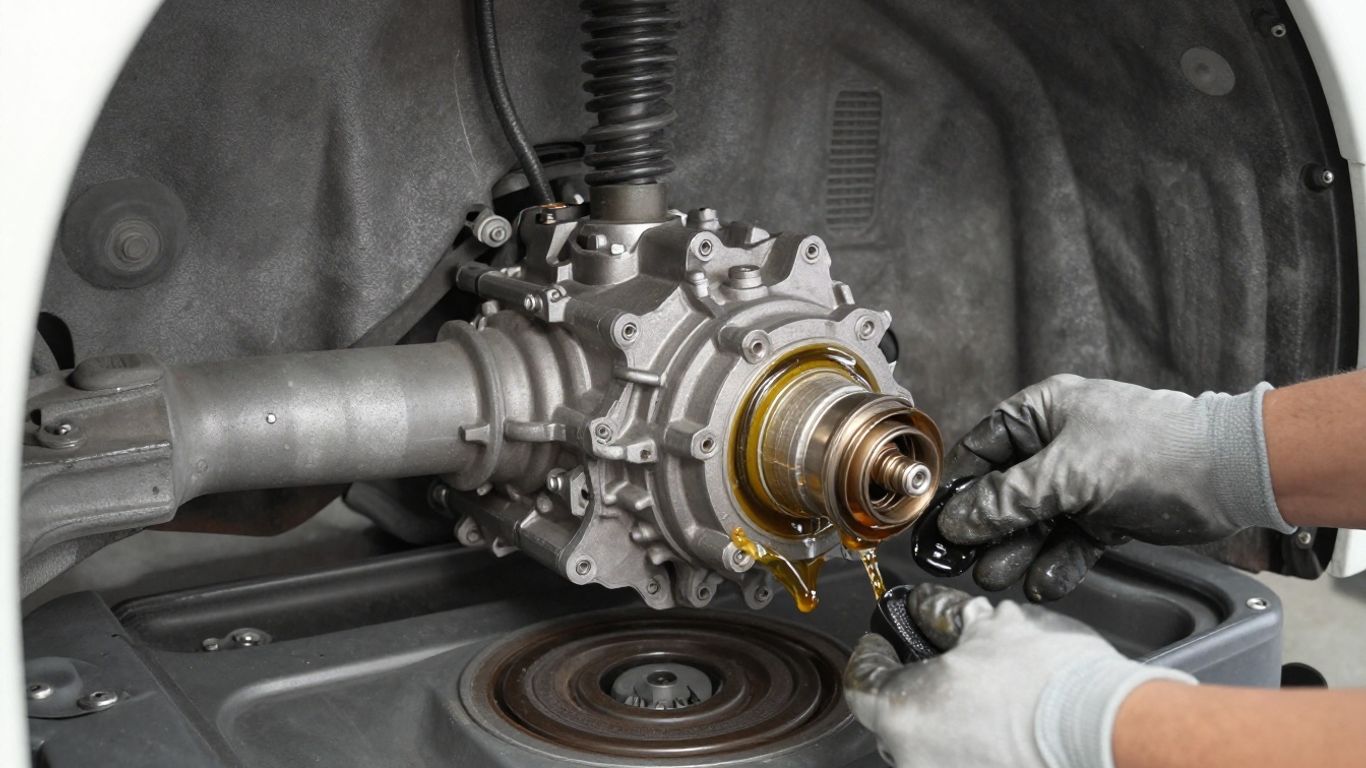
Clean residual oil from the gearbox casing
Use a suitable degreaser or clean rag to remove oil from the plug, casing, nearby brackets, and undertray. Do not spray aggressively into electrical connectors or rubber components. Dispose of oily rags and the collected fluid according to local requirements.
A dry casing gives you a clear baseline. It also reduces the chance that oil will spread onto hot components or attract dirt during the next drive.
Inspect seals, plugs, and driveshaft areas for leaks
Look around the level plug, drain plug, selector shaft seal, driveshaft seals, and casing joints. Fresh wetness or a drop forming after cleaning suggests an active leak. Oil near a driveshaft area can require particular attention because the source may be higher than the visible trail.
A small leak should not be dismissed simply because the gearbox still shifts normally. Low oil can increase wear, and the right repair depends on identifying the source rather than repeatedly topping up.
Take a short test drive and recheck the area
If the plug is secure and no serious leak is visible, take a short, gentle drive while paying attention to unusual noise, difficult engagement, or a change in shift feel. Park on a level surface, let the vehicle settle as instructed, and inspect the cleaned area again.
Do not continue driving if fluid is dripping, the transmission becomes noisy, or gears are difficult to select. Recheck the plug and arrange an inspection instead.
Know when professional transmission service is needed
Professional help is the safer choice when the vehicle must be raised on a lift, the automatic transmission requires a temperature-controlled procedure, or a plug is seized or damaged. It is also appropriate when the fluid contains metal, the gearbox has a persistent leak, or symptoms remain after the level is corrected.
A workshop can inspect seals and casing damage without the risks of working under an inadequately supported vehicle. If the model has an unusual checking system, following its exact procedure matters more than completing the job at home.
Conclusion
To check Renault gearbox oil safely, identify the exact transmission, use the specified fluid, keep the vehicle level, and work methodically around the correct level point. A careful top-up may restore the level, but recurring loss, contaminated fluid, damaged plugs, or abnormal shifting calls for a professional diagnosis.
Frequently Asked Questions
How often should gearbox oil be checked?
Follow the maintenance schedule for the vehicle, and check sooner if you see oil beneath the car, notice new transmission noise, or experience difficult shifting. Some gearboxes require inspection only during scheduled service, while others have more specific intervals.
Can gearbox oil be checked when the car is on a slope?
No. A slope can change the oil height at the level opening and produce a misleading result. The vehicle should be supported in the position specified by the manufacturer, normally level for a manual gearbox check.
Is the gearbox drain plug the same as the level plug?
Not necessarily. The drain plug is generally positioned at a low point, while the level plug is often on the side of the casing, but layouts vary. Confirm each plug using service information before loosening it.
What happens if the gearbox oil level is too low?
A low level can reduce lubrication and increase wear, noise, heat, or shifting problems. Find the reason for the loss, top up only with the specified fluid, and arrange an inspection if the level has fallen significantly or repeatedly.
Can I use any gear oil for a manual transmission?
No. Gear oils differ in viscosity and additive chemistry. Use the specification listed for the transmission, because a broadly labeled gear oil may not be suitable for its synchronizers, seals, or operating conditions.
Should I top up automatic transmission fluid myself?
Only if the vehicle’s service instructions clearly describe a home check and top-up. Some automatic transmissions require a particular fluid temperature, selector position, engine state, or special level procedure, so guessing can cause an incorrect level.
When should a gearbox oil leak be repaired?
Repair a leak as soon as it is identified, particularly when oil is dripping or the level is falling. Cleaning the casing and rechecking after a short drive can help locate the source, but persistent leaks should be assessed by a qualified technician.