

Key Takeaways
A gearbox whining noise Renault drivers notice should be assessed by when it occurs, how it changes, and whether other symptoms appear. Early checks can sometimes prevent a small fluid or bearing problem from becoming major transmission damage.
- A whine may point to low fluid, worn bearings, damaged gears, or a differential fault.
- The affected gear and driving condition can help narrow the source.
- Fluid level and condition should be checked before assuming the gearbox needs replacement.
- Grinding, vibration, leaking oil, or difficulty selecting gears calls for prompt inspection.
- A mechanic benefits from a clear record of speed, gear, temperature, and noise changes.
What a gearbox whining noise in a Renault can indicate
A whining transmission noise is not a diagnosis by itself. It is a sound produced by rotating or meshing parts, and its meaning depends on the conditions around it. A careful description of the noise often gives a mechanic more useful direction than a general report that the gearbox is “loud.”
The sound may be harmless in some vehicles, particularly if it has always been present and does not change. A new or steadily worsening noise deserves more attention, especially when it is accompanied by vibration, oil leakage, or changes in gear selection.
How pitch and volume help identify the problem
Pitch is the highness or lowness of the sound, while volume describes how strongly it can be heard in the cabin. A noise that rises with road speed may be linked to rotating transmission or driveline parts, whereas one that follows engine speed can involve the clutch, input shaft, or engine side of the assembly.
Listen for whether the whine is faint at low speed and sharper at higher speed, or whether it becomes louder only when the vehicle is under load. A change in tone when you press or release the accelerator is useful information, but it cannot identify a failed part on its own.
Why the noise may change between gears
Each gear uses a different pair of gear teeth and places different loads on shafts and bearings. That is why a problem can be most obvious in one gear while being barely audible in another. Higher gears can make a developing bearing or gear-mesh noise easier to hear because the engine is quieter relative to road speed.
Note whether the sound appears during acceleration, steady cruising, or deceleration. If it disappears when the clutch pedal is pressed, the clutch or input side deserves attention; if it remains while coasting, other rotating components may be involved.
Distinguishing gearbox whine from engine and wheel bearing noise
A gearbox whine often changes with the selected gear or with the direction of load. Engine noise usually follows engine speed regardless of the gear selected, while a wheel bearing tends to follow road speed and may change when the vehicle turns gently left or right.
Road noise, tyres, driveshafts, and differentials can overlap, so listening from inside the cabin is not always enough. A workshop can use a controlled road test and inspection on a lift to separate these sounds more reliably. General sound references such as this guide to common gearbox noises can help owners describe what they hear, but they do not replace a physical diagnosis.
When a normal transmission sound becomes a warning sign
Some manual transmissions produce a light mechanical hum, especially when cold. It becomes more concerning when it is new, increasing, present across several gears, or joined by a leak or difficulty selecting gears. A noise that changes noticeably over a short period should not be dismissed simply because the vehicle still drives.
The most useful comparison is with the vehicle’s previous behavior. A worsening noise needs attention even if performance seems normal, because bearings and gear teeth can deteriorate before shifting becomes difficult.
Common causes of Renault gearbox whining
Several faults can create a whining noise, and more than one may be present at the same time. Fluid problems are often the simplest possibility to check, but internal wear can also produce a similar sound. The vehicle’s age, mileage, service history, load use, and evidence of leaks all help establish what is most plausible.
The following causes are common starting points for an inspection, not a list that confirms a particular failure. A mechanic should verify the source before parts are ordered.
Low, degraded, or incorrect transmission fluid
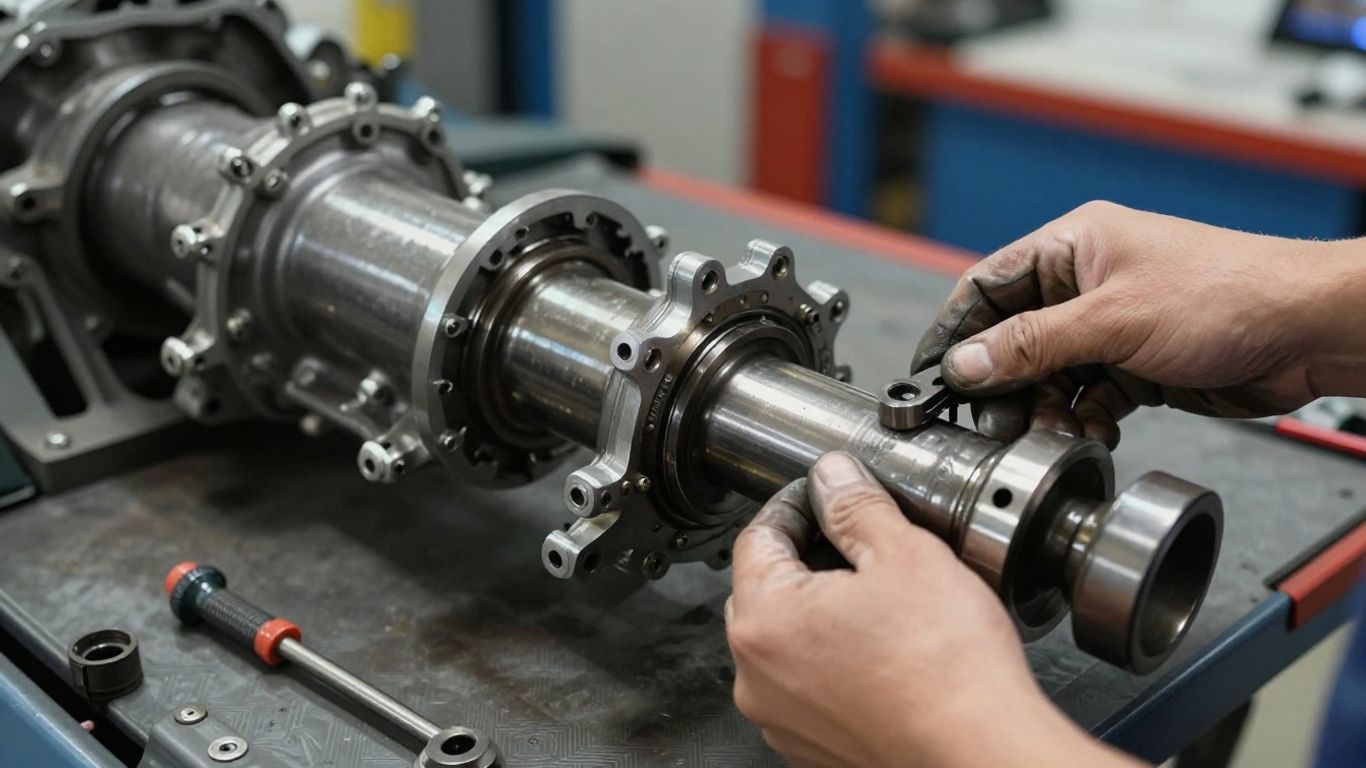
Transmission fluid lubricates gears, bearings, and other moving parts. If the level is low because of a leak, surfaces may run with insufficient lubrication and become noisy. Old or contaminated fluid can also lose some of its protective qualities, while an incorrect specification may affect operation and component wear.
A fluid check should include looking around seals, casing joints, plugs, and nearby components for wetness. Topping up without finding the reason for a low level is only a temporary response and can leave the underlying problem untouched.
Worn bearings and gear teeth
Bearings support rotating shafts and allow them to turn smoothly. As they wear, a hum or whine may become more obvious at a particular road speed or in a particular gear. Damaged or pitted gear teeth can create a sharper mesh noise that changes with load.
Internal wear is more likely when the sound has gradually worsened or when metal particles appear in drained fluid. The exact repair depends on which shaft, bearing, or gear has been affected and whether surrounding parts remain within specification.
Differential and final-drive problems
The differential and final drive transfer torque to the wheels, so their noise can be mistaken for a gearbox fault. A final-drive whine may continue while the vehicle is coasting and can vary when the driveline load reverses. Changes during gentle cornering may also point toward wheel-end or differential components rather than the selected gear itself.
This distinction matters because replacing or rebuilding a gearbox will not solve a noise that originates elsewhere. The driveline should be assessed as a connected system, including shafts, differential bearings, mounts, and wheel bearings.
Clutch, driveshaft, and input shaft faults
A clutch release bearing, clutch assembly, input shaft bearing, or driveshaft can make noise near the gearbox. Pressing the clutch pedal may alter the sound, although that test is not conclusive because several parts change speed or load at the same time.
A vibration through the floor, a clunk when taking up drive, or noise that occurs while the vehicle is stationary can help narrow the investigation. Owners of older vehicles may also find practical discussion in this Renault 4 gearbox noise thread, though forum observations should be treated as clues rather than a confirmed repair method.
Renault models and driving conditions most affected
A gearbox whining noise Renault owners report can occur in cars, vans, and different generations of manual transmission. The model name alone does not identify the failed component; the installed gearbox, service history, usage, and symptom pattern matter more. Commercial vans and heavily loaded vehicles may place greater demand on driveline components, but any vehicle can develop noise.
The conditions under which the sound appears are especially valuable. Record the gear, approximate speed, engine load, outside temperature, and whether the vehicle is accelerating or coasting.
Manual gearbox issues in Renault cars and vans
Manual transmissions rely on shafts, bearings, gears, synchronizers, and lubrication working together. A fault may first appear as noise before it affects gear engagement. Vans used for towing, delivery work, or frequent heavy loads may experience different stresses from lightly used passenger cars.
Do not assume that a familiar model symptom applies to every vehicle with that badge. The gearbox code, fluid specification, and maintenance history should be confirmed before deciding whether a repair is appropriate.
Whining in fifth and sixth gear
Noise that is strongest in fifth or sixth gear can reflect the load and shaft speeds associated with those gearsets. It may also be easier to hear at motorway speeds because wind and engine noise change in relation to the transmission. A higher-gear whine should be assessed rather than treated as an inevitable characteristic.
A useful case-specific reference is this information on Renault Trafic fifth-gear whine, which discusses a noise pattern associated with particular transmissions. It is best used to frame questions for a mechanic, not to diagnose every Trafic or every high-gear noise.
Noise during acceleration, cruising, or deceleration
A whine during acceleration suggests that the loaded faces of gears or bearings may be involved, while a noise during deceleration can point toward another load direction in the same components. A sound that remains steady while cruising may have a different source from one that appears only when torque is applied.
Try to compare the same road speed in different gears, where safe and lawful. If the pitch follows engine speed, the engine or clutch side becomes more relevant; if it follows road speed, the final drive, wheel bearings, or other rotating parts remain possible.
Differences between cold-start and warm-running symptoms
Fluid is thicker when cold, so a transmission can sound different for the first few minutes of driving. If the noise fades as the vehicle warms, that still does not prove the transmission is healthy. A warm-running whine may become more apparent as the fluid thins or as worn parts reach normal operating conditions.
Record how long the sound lasts and whether it returns after the vehicle sits overnight. Comparing cold and warm behavior gives the workshop a clearer starting point than simply reporting that the gearbox is noisy.
How to diagnose the source of the whining noise
Diagnosis should begin with observation, then move to checks that can confirm or rule out likely causes. Avoid jumping straight to a gearbox replacement because a similar sound can come from the clutch, differential, driveshaft, wheel bearing, or engine. A systematic process is usually faster and less expensive than replacing parts by guesswork.
If the vehicle has a serious leak, loud grinding, or sudden loss of drive, it should not be road-tested casually. Arrange an inspection and explain the circumstances in which the sound developed.
Questions to ask before inspecting the vehicle
Before booking a repair, write down when the noise began and whether it has changed. Note the gear and speed, whether the engine is pulling or coasting, and whether pressing the clutch affects the sound. Also record recent fluid work, clutch work, impacts, towing, or journeys with unusually heavy loads.
These questions give the mechanic a useful first filter:
- Does the noise follow engine speed or road speed?
- Which gears make it louder or quieter?
- Does acceleration, cruising, or deceleration change it?
- Does pressing the clutch pedal alter the sound?
A short, accurate record can prevent a road test from overlooking the condition that produces the noise. It also helps distinguish a repeatable symptom from a sound that occurs only occasionally.
Checking transmission fluid level and condition
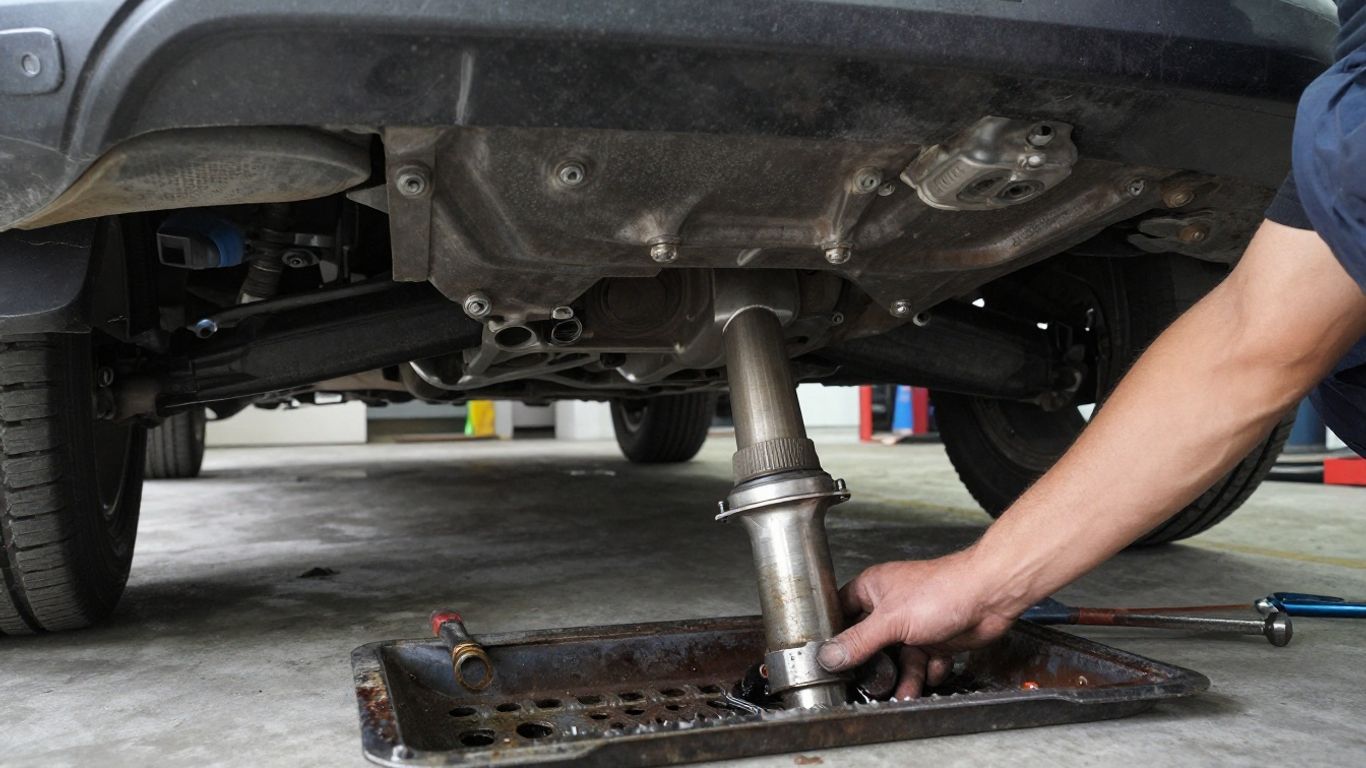
Fluid should be checked using the correct procedure for the specific transmission and with the vehicle safely supported. The level, color, smell, and visible contamination can all provide clues, although clean-looking fluid does not rule out internal wear. A leak should be repaired rather than hidden by repeated top-ups.
Do not mix fluids based only on appearance or a generic label. The required specification should be confirmed from reliable service information, and any drained fluid containing unusual metallic material should be assessed by a professional.
Using a road test to isolate the affected gear
A controlled road test can compare the same speed in several gears and observe the noise under acceleration, steady throttle, and overrun. The driver should concentrate on safe traffic conditions while a second person, where available, records the sound and conditions. Repeating the same maneuver helps establish whether the symptom is consistent.
A mechanic may also compare noise with the clutch engaged and disengaged, but this must be done safely and without unnecessary clutch slipping. A test that creates a clear difference can narrow the source, yet component inspection is still needed before repair.
Inspecting for leaks, vibration, and metal debris
A visual inspection can reveal oil around the gearbox casing, driveshaft seals, drain plugs, or adjacent surfaces. Vibration through the floor or gear lever may suggest a mount, shaft, or rotating component issue. During a service, debris on a magnetic drain plug or in drained oil may indicate internal wear, but its size and appearance need interpretation.
The absence of visible debris does not guarantee that the gears and bearings are sound. Noise diagnosis combines physical evidence with the road-test pattern, and a transmission may need to be opened if external checks cannot identify the source.
Repair options and likely costs
Repair cost depends on the failed component, the gearbox design, access, parts availability, and the extent of secondary damage. A fluid service is very different from a full rebuild, so a quote should state what has been diagnosed and what the proposed work includes. Getting the noise identified first is usually more useful than comparing replacement prices immediately.
Ask whether the estimate includes fluid, seals, bearings, labor, testing, and any work required if additional damage is found after disassembly. Used, genuine, and aftermarket parts may each be appropriate in different circumstances, subject to fitment and quality checks.
When a fluid service may solve the problem
If the fluid is low, degraded, or incorrect and the internal components have not been damaged, correcting the leak and servicing the transmission may reduce the noise. That outcome is more plausible when the sound is mild, recent, and not accompanied by metal debris or shifting problems.
A fluid change cannot repair a pitted gear or worn bearing. If the whine remains after the correct service, continued driving should not be used as a substitute for further diagnosis.
Replacing bearings, seals, or damaged gears
A repair shop may replace worn bearings, leaking seals, damaged gears, or related components after dismantling and measuring the gearbox. Replacing a seal without checking the bearing behind it may leave the original source of the noise in place. Likewise, a damaged gear can require inspection of the mating gear and shaft.
The final parts list should reflect what the technician found, not only what was suspected from the initial sound. Ask for an explanation of any additional damage discovered once the casing is open.
Choosing between gearbox repair and replacement
Rebuilding the original unit can preserve the known fitment of the vehicle, while a replacement may reduce turnaround time if a suitable unit is available. Neither option is automatically better. The decision depends on the condition of the casing and shafts, warranty offered, parts quality, labor, and the vehicle’s overall value.
A replacement gearbox must match the vehicle and transmission specification. Confirm the source, included components, warranty terms, and whether the installed unit has been inspected or tested.
Factors that influence Renault transmission repair costs
Labor is often a major part of the bill because removing, opening, measuring, and rebuilding a gearbox takes time. Parts availability and the difference between a single bearing repair and widespread gear damage can change the estimate considerably.
| Repair situation | Typical work involved | Why the cost varies |
|---|---|---|
| Fluid or leak issue | Correct fluid, leak repair, inspection | Access and damaged sealing points |
| Bearing wear | Gearbox removal, dismantling, bearing replacement | Number of affected parts and labor |
| Gear damage | Replace gearset or related shaft parts | Secondary damage and parts availability |
| Replacement unit | Remove old unit and fit matched gearbox | Unit source, warranty, and installation |
This comparison is a guide to the type of work, not a fixed price list. A written estimate based on the actual gearbox and confirmed fault is more useful than a broad online average.
When it is safe to drive your Renault
Whether a vehicle can be driven depends on the noise’s severity, progression, and accompanying symptoms. A faint, unchanged sound with no leaks or shifting problems may allow a cautious trip to a repair shop, but it should still be assessed. A sudden or rapidly worsening noise calls for a more conservative decision.
If there is uncertainty, avoid a long journey or heavy load until the vehicle has been inspected. Transmission failures can develop quickly when lubrication is lost or a bearing begins to break apart.
Symptoms that require immediate vehicle inspection
Stop and arrange prompt inspection if the whine is accompanied by grinding, clunking, a burning smell, visible fluid, severe vibration, or difficulty selecting a gear. Sudden loss of drive, a gear jumping out, or a rapidly rising noise may indicate a fault that should not be tested further on the road.
Warning lights or a noticeable change in clutch operation also deserve attention. A vehicle that can still move is not necessarily safe to continue driving.
Risks of continuing to drive with gearbox noise
Continued use can turn a limited bearing or lubrication problem into damage involving gears, shafts, seals, or the differential. A component that begins to break apart may contaminate the fluid and affect other parts. The cost and disruption can increase when a developing fault is ignored.
Long trips, towing, steep hills, and heavy loads place additional demand on the driveline. Until the cause is known, keep use to the minimum needed for a safe inspection.
Temporary precautions before reaching a repair shop
If a mechanic has advised that a short trip is acceptable, drive gently and avoid hard acceleration, high loads, and unnecessary motorway travel. Stop if the noise becomes much louder or if new vibration, leaking fluid, or gear-selection trouble appears. Do not crawl beneath an unsupported vehicle to inspect the gearbox.
Check the ground for fresh fluid before setting off and confirm that the route allows you to stop safely. These precautions reduce risk but do not repair the fault.
How to prepare useful information for a mechanic
Bring the vehicle’s mileage, service records, recent repair details, and a written description of the noise. A short recording can help if the sound is intermittent, but it should never be made while handling a phone unsafely. Mention whether the sound changes with gear, speed, throttle position, temperature, or clutch use.
A clear history helps the workshop reproduce the symptom and choose the right inspection steps. It also makes it easier to understand why a fluid service, internal repair, or replacement gearbox has been recommended.
Conclusion
A gearbox whining noise Renault owners notice can come from fluid, bearings, gears, the differential, or nearby driveline components. Tracking when the sound occurs and arranging a proper inspection early gives the best chance of containing the repair. If the noise is worsening or joined by leaks, vibration, grinding, or gear-selection problems, limit driving and seek professional advice.
Frequently Asked Questions
Is a whining gearbox always a sign of serious damage?
No. Low or incorrect fluid can sometimes create noise without extensive internal damage, but a new or worsening whine should be checked because worn bearings and gears can sound similar.
Can low transmission fluid cause a whining noise?
Yes. A low level can reduce lubrication and make rotating components noisy. The reason for the low level must also be found, since a leak may continue after the fluid is topped up.
Why does the noise occur only in one gear?
Different gears place different loads on gear teeth, shafts, and bearings. A worn component may therefore be most audible in one gear even though it is inside the same transmission.
Can a wheel bearing sound like gearbox whine?
Yes. Both can produce a speed-related hum or whine. A wheel bearing may change during gentle cornering, while a transmission noise often changes with gear or driveline load.
Should I change the fluid before diagnosing the noise?
The fluid level and condition should be checked, but a service should follow the correct specification and procedure. Changing fluid may help in some cases, yet it cannot repair damaged gears or bearings.
Is it safe to drive with a faint transmission whine?
Sometimes a short trip for inspection may be reasonable if the sound is unchanged and there are no leaks, vibration, grinding, or shifting problems. A mechanic should make the final safety assessment.
What information should I give a repair shop?
Describe the speed, gear, temperature, throttle position, and whether the vehicle is accelerating, cruising, or coasting. Include recent repairs, fluid work, towing, leaks, and any change in gear selection.