

Key Takeaways
Dual-clutch transmission faults can begin as a small hesitation and develop into a loss of drive if ignored. Careful symptom tracking and specialist diagnosis usually offer the clearest path to a sensible repair.
- Juddering, delayed engagement, harsh shifts, and warning messages deserve attention.
- Clutch wear, actuator faults, fluid problems, and calibration errors can feel similar.
- Diagnostic codes and adaptation data are more useful than guessing from one symptom.
- Repair may involve relearning, servicing, a clutch assembly, or mechatronic work.
- Smooth low-speed driving and correct maintenance can reduce future strain.
Understanding Renault dual clutch transmissions
A dual-clutch transmission uses two clutch paths to manage alternating gear sets. That layout can make gear changes quick, but it also means low-speed behavior depends on careful clutch control and electronic coordination. Understanding the basic design makes unusual behavior easier to describe to a technician.
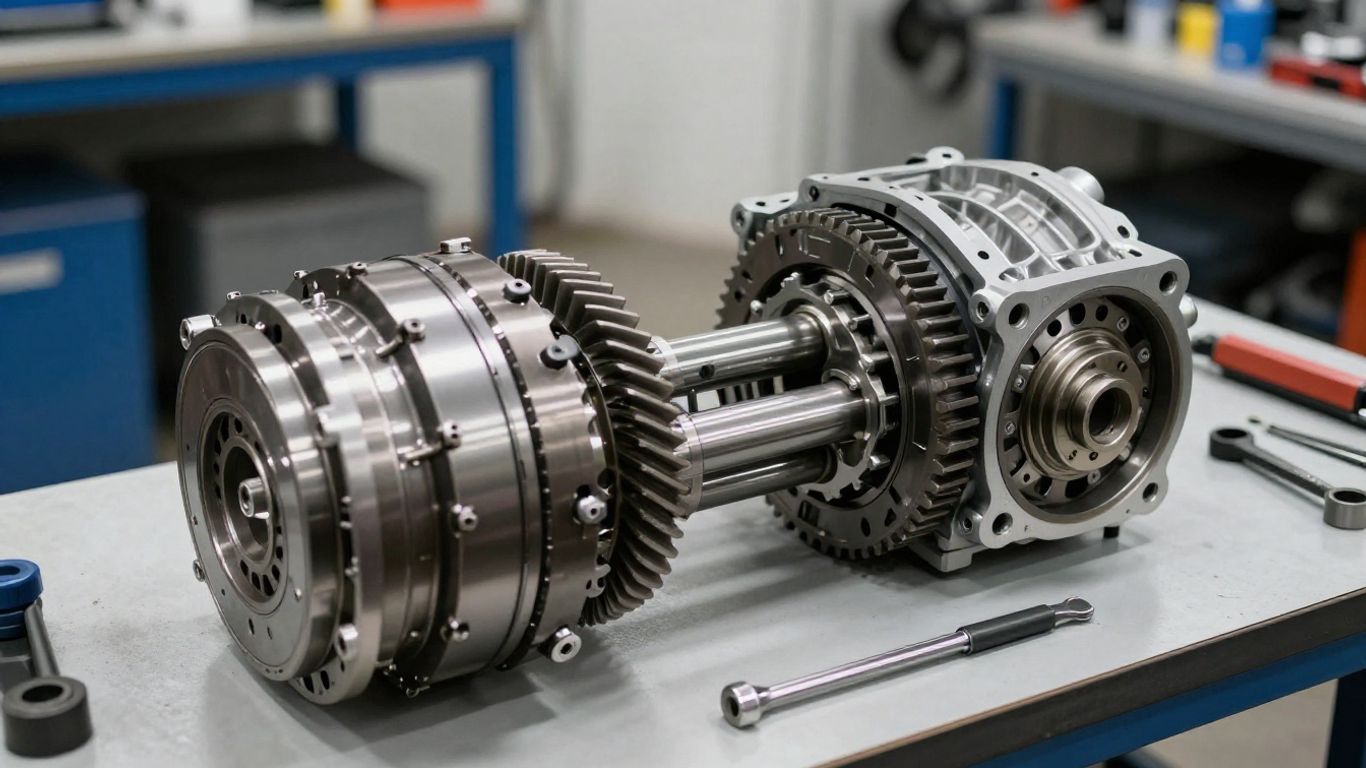
How Renault EDC systems work
An EDC system is an automated manual transmission rather than a conventional torque-converter automatic. One clutch generally handles one group of gears while the other handles the remaining group, allowing the next ratio to be prepared before it is selected. The control system then operates the clutches and gear selectors according to vehicle speed, throttle input, and other operating conditions.
Dry-clutch and wet-clutch designs
Dry clutches operate without being immersed in transmission oil, while wet clutches use fluid for lubrication and heat management. The distinction affects service procedures, heat tolerance, and the way wear may appear. A technician needs the exact transmission identification before deciding which fluid, measurements, or replacement parts apply.
Which Renault models use dual clutch transmissions
EDC-equipped versions have appeared in several Renault model lines, including Clio, Captur, Megane, and Scenic variants. Availability varies by engine, market, model year, and trim, so the badge alone is not enough to identify the gearbox. The vehicle identification number and transmission code are more reliable references.
Why dual clutch behavior differs from a conventional automatic
A conventional automatic often uses a fluid coupling to smooth the initial takeoff. A dual-clutch unit has to regulate clutch slip directly, so creeping in traffic, parking, and hill starts can feel more deliberate. A small amount of engagement feel may be normal, but repeated shuddering or a growing delay should not be dismissed.
Common symptoms of dual clutch transmission issues
The first signs are often intermittent rather than dramatic. A vehicle may behave normally when cold and hesitate after a long drive, or it may shift smoothly on the highway while struggling in a parking lot. These patterns matter because they help separate clutch-control problems from broader mechanical failure.
Juddering or shuddering during takeoff
A vibration as the vehicle moves away can result from uneven clutch engagement, clutch surface wear, contamination, or incorrect adaptation. Note whether it occurs in reverse, only when warm, or during both forward and reverse takeoff. A single rough start is less informative than a repeatable pattern.
Delayed engagement and hesitation
A pause after selecting drive or reverse may point to clutch pressure, actuator movement, control logic, or excessive wear. It can also be caused by an engine that is not delivering torque smoothly. The length of the delay and whether the engine speed rises without movement are useful details for diagnosis.
Harsh gear changes or unexpected shifting
Firm shifts can arise when clutch timing or selector operation is no longer well controlled. Unexpected changes may also reflect a sensor signal or software-calibration problem rather than damaged gears. Avoid assuming that every harsh shift means the complete transmission must be replaced.
Loss of drive, limp mode, or warning messages
A transmission that selects neutral, refuses a gear, or enters a reduced-function mode needs prompt attention. Continuing to drive may turn a manageable electrical or actuator fault into additional clutch or mechanical damage. Record the exact dashboard message and whether switching the ignition off temporarily changes the behavior.
Unusual noises, smells, or fluid leaks
Whining, clicking, grinding, or a hot friction smell can provide important clues, especially when linked to a particular gear or maneuver. Fluid underneath the vehicle should be identified rather than assumed to come from the transmission. A leak can lower fluid levels, while a noise may originate elsewhere in the drivetrain.
The most likely causes of Renault EDC problems
Similar symptoms can come from very different causes. Clutch friction material, hydraulic or electric actuation, sensors, wiring, and software all influence how a dual-clutch unit behaves. A proper inspection should therefore test the system as a whole instead of replacing the most visible part first.
Clutch wear and overheating
Repeated slipping produces heat and gradually changes the clutch surfaces. Stop-start traffic, frequent creeping, heavy loads, and hill holding can increase that workload. When wear becomes significant, the control system may struggle to find a smooth engagement point even if the gearbox itself still changes ratios.
Mechatronic unit and actuator faults
The mechatronic assembly combines control electronics with the components that operate clutch and gear-selection functions. A failing actuator, pressure problem, or internal electrical fault can cause hesitation, incorrect gear selection, or a warning message. Testing should confirm the affected circuit or movement before parts are ordered.
Transmission fluid condition and contamination
Where the transmission design uses serviceable fluid, incorrect level, degraded fluid, or contamination can affect operation and component life. Fluid specifications and filling procedures are not interchangeable between designs. General gearbox maintenance principles are explained in this transmission mechanics guide, although Renault-specific procedures still require the correct service information.
Software, sensor, and calibration issues
A speed sensor, temperature sensor, wiring connection, or control-module calibration can make a healthy mechanical assembly behave badly. Adaptation values may also become unsuitable after clutch work or related repairs. This is why software checks and relearning procedures belong in the diagnostic process, not as an afterthought.
Driving conditions that accelerate wear
Low-speed clutch slip is the common thread in many demanding situations. Keeping the car balanced on the accelerator during a hill start, inching forward for long periods, or repeatedly maneuvering with a trailer can raise heat and wear. Heat is a wear multiplier, so driving context is part of the vehicle history.
How to diagnose a Renault dual clutch transmission
Diagnosis starts with a clear account of what the driver experiences and ends with tests that can confirm or reject likely causes. A scan tool is valuable, but it cannot replace a road test or physical inspection. The aim is to identify the failed system, not simply to collect a fault code.
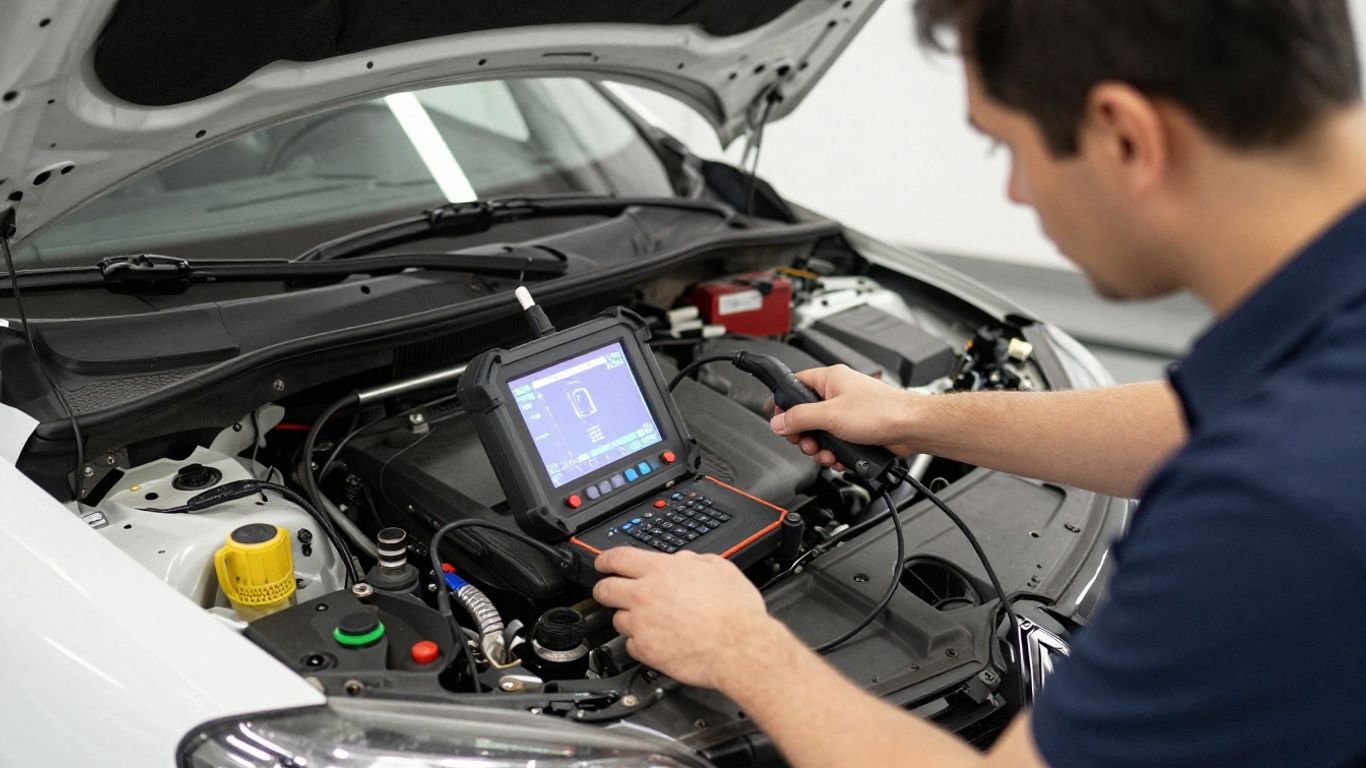
Recording when and how the symptoms occur
Write down the engine and transmission temperature, selected gear, road speed, throttle position, and whether the issue happens forwards or in reverse. Also record traffic, incline, load, and how long the vehicle had been driven. This simple log can reveal whether heat or low-speed operation is central to the complaint.
Reading diagnostic trouble codes
A technician should scan the transmission controller and related vehicle modules, then save both current and stored codes. The code is a starting point, not a verdict: low voltage, a wiring fault, or a sensor problem can create secondary messages. Clearing codes before recording them removes useful history.
Checking clutch adaptation values
Adaptation data shows how the controller is compensating for clutch position and engagement behavior. Values outside an expected range can support a clutch-wear or calibration theory, but they need to be interpreted alongside temperature, test-drive results, and service history. Relearning should follow the manufacturer’s procedure and any required preconditions.
Inspecting fluid, wiring, and mechanical components
Physical checks often find problems that electronic diagnosis cannot. A workshop may inspect fluid level and condition where applicable, connectors, grounds, actuator operation, driveshafts, mounts, and signs of leakage. A useful inspection usually follows a sequence like this:
- Confirm the transmission type and service requirements.
- Test the battery, charging system, grounds, and relevant wiring.
- Scan modules and compare live data with the road-test complaint.
- Inspect fluid, leaks, actuators, mounts, and accessible mechanical parts.
This sequence reduces the chance of blaming the clutch for an electrical supply problem or overlooking a drivetrain component that only sounds like a gearbox fault.
Distinguishing transmission faults from engine problems
An engine misfire, weak battery, throttle problem, or unstable idle can make shifts feel rough. Conversely, a transmission fault may cause engine speed to flare or loading to feel inconsistent. Comparing engine data with transmission data during the same event helps prevent an expensive but unrelated repair.
Renault models and situations that may need extra attention
Model names can help narrow the conversation, but they do not establish a fault by themselves. Different engines and production years may use different transmission versions or software calibrations. Treat each vehicle as an individual case, with its service records and transmission identification checked first.
Common concerns in Renault Clio EDC models
A Clio with an EDC transmission should be assessed for takeoff judder, delayed reverse engagement, and behavior that changes once the car is warm. These observations are not proof of a particular failed part. A scan, adaptation check, and inspection of clutch-control components are more useful than relying on mileage alone.
Issues reported with Renault Captur EDC systems
Captur use in urban traffic can involve frequent creeping, parking maneuvers, and hill starts, all of which place repeated demands on clutch control. When a complaint appears, ask whether it is tied to congestion, incline, or temperature. The answer can guide testing without turning a driving pattern into a diagnosis.
What to check in Renault Megane and Scenic models
For Megane and Scenic examples, review the transmission code, engine pairing, maintenance history, and any previous clutch or actuator work. Larger vehicles or heavily loaded use may change the operating conditions, but the same symptom can still have an electrical, calibration, or mechanical cause. A complete history is especially valuable when ownership has changed.
Evaluating a used Renault with an EDC transmission
During a purchase inspection, test the car from cold and after it has reached normal operating temperature. Try smooth takeoffs, reverse, parking maneuvers, moderate acceleration, and stop-start traffic. Ask for invoices rather than accepting a vague statement that the transmission was “serviced,” and budget for a specialist inspection if engagement is inconsistent.
Repair and replacement options
The right repair depends on what testing finds and on the transmission’s condition beyond the immediate symptom. Some faults can be corrected without opening the gearbox, while worn friction components require more substantial work. A written diagnosis should explain both the failed part and why the proposed repair addresses it.
Software updates and clutch relearning
If the mechanical components are within specification, a control-module update or clutch relearning procedure may resolve calibration-related behavior. The procedure is not a universal reset and may fail if the clutch or actuator is physically worn. It should be completed with the required battery voltage, temperature, and scan equipment.
Fluid service and actuator repairs
Where applicable, fluid replacement can correct a poor fluid condition or restore the specified level, but it will not repair worn clutch material or a damaged actuator. Actuator work may involve cleaning, electrical testing, seal replacement, or component replacement depending on the fault. The service record should state what fluid was used and what checks were performed.
Replacing the clutch assembly
A clutch assembly may be appropriate when wear, overheating, or contamination is confirmed. Installation normally needs careful alignment and a post-repair adaptation procedure. If the original cause of overheating remains, a new clutch can develop the same symptoms, so the surrounding control system and driving conditions should also be reviewed.
Repairing or replacing the mechatronic unit
Mechatronic repair can range from a connector or wiring fix to actuator or control-unit replacement. Specialist testing may determine whether the unit is repairable or whether a verified replacement is safer. Programming, coding, and adaptation requirements should be included in the quotation rather than treated as optional extras.
When transmission replacement makes financial sense
A replacement gearbox may be considered when internal damage is extensive, parts are unavailable, or the combined repair cost approaches the vehicle’s value. Compare a new, remanufactured, and used unit carefully, including warranty, installation, fluid, programming, and adaptation. A low purchase price is not necessarily economical if the unit has unknown history.
Preventing future dual clutch transmission problems
Prevention is mostly about following the correct service information and reducing unnecessary clutch slip. It cannot eliminate wear, but it can make problems easier to spot and may reduce avoidable heat. Small changes in how the car is used are often more practical than trying to compensate for a warning light later.
Using the correct maintenance schedule
Follow the schedule specified for the exact transmission and use only the approved fluid and parts where service is required. Keep invoices, mileage, fluid details, and diagnostic reports together. For general background on a fluid-change process, this transmission fluid guide is a useful reference, though its vehicle-specific instructions do not apply to Renault systems.
Adopting smoother low-speed driving habits
Use steady, gentle inputs during parking and creeping rather than alternating sharply between accelerator and brake. Allow the vehicle to move at a controlled pace instead of holding it on the throttle. If the car begins to shudder, stop repeating the maneuver and have the symptom investigated.
Managing traffic, hills, and towing
Leave more space in traffic so the car can roll rather than inch forward every few feet. Use the appropriate hill-start method and avoid using engine power to hold the vehicle stationary. Towing or carrying heavy loads should stay within the vehicle’s specified limits, with extra attention to temperature and engagement behavior.
Recognizing early warning signs
A useful early-warning list includes:
- A new vibration during forward or reverse takeoff.
- A delay before drive or reverse engages.
- Shifts that become harsher as the vehicle warms.
- A repeated warning message, smell, noise, or visible leak.
These signs do not identify the failed component, but they do justify recording the circumstances and arranging a diagnostic check. Early information gives a technician more to work with than a complaint made after the vehicle has stopped moving.
Choosing a qualified Renault transmission specialist
Choose a workshop that can identify the transmission version, access the relevant control modules, perform adaptation procedures, and inspect mechanical components. Ask whether the quote includes diagnosis, programming, fluid, and post-repair testing. Clear explanations and saved scan results are good signs that the repair process is being handled methodically.
Conclusion
Dual-clutch transmission problems are easier to manage when symptoms are recorded early and diagnosis is based on evidence rather than guesswork. Clutch wear, actuation, fluid, wiring, software, and engine operation can overlap in how they feel, so the most economical repair is usually the one that begins with a complete assessment.
Frequently Asked Questions
What is the first sign of a dual-clutch transmission problem?
A repeated judder, hesitation, delayed engagement, or change in shift quality is often an early sign. Note when it happens and whether temperature or traffic affects it.
Can a dual-clutch transmission be repaired?
Yes. Depending on the cause, repair may involve calibration, fluid service, wiring, an actuator, a clutch assembly, or a larger internal repair. Testing determines the appropriate level of work.
Is juddering during takeoff always caused by the clutch?
No. Judder can also come from engine misfires, worn mounts, contamination, actuator problems, or incorrect adaptation. A road test and diagnostic inspection are needed to separate these possibilities.
How long can a car drive after a transmission warning appears?
There is no reliable distance estimate. If the vehicle loses drive, selects neutral unexpectedly, or enters a reduced-function mode, stop safely and arrange professional diagnosis rather than continuing normally.
Does changing transmission fluid fix shifting problems?
It can help when fluid level, condition, or specification is the cause and the design permits that service. It cannot restore worn friction material or repair a failed actuator or control module.
Is a used transmission a good repair option?
It can be practical when its condition, compatibility, mileage, and warranty are documented. Installation and programming costs should be included when comparing it with rebuilding or replacing individual components.
How can low-speed driving affect a dual-clutch transmission?
Extended creeping, hill holding, and repeated parking maneuvers can increase clutch slip and heat. Smoother inputs and allowing more space in traffic can reduce unnecessary engagement work.