

Key Takeaways
A gearbox warning light deserves attention, but it does not always mean the transmission needs replacing. The safest response depends on the light’s behavior, the vehicle’s symptoms, and what a proper diagnostic check finds.
- Check whether the warning is steady or flashing and look for other dashboard messages.
- Stop driving if there is severe slipping, burning smell, loud noise, or loss of drive.
- Do not assume the fault is low fluid; sensors, wiring, voltage, software, and actuators can also be involved.
- Record the warning, driving conditions, and unusual symptoms before seeking help.
- Have fault codes and the gearbox system inspected before approving major repairs.
What the gearbox warning light means on a Renault
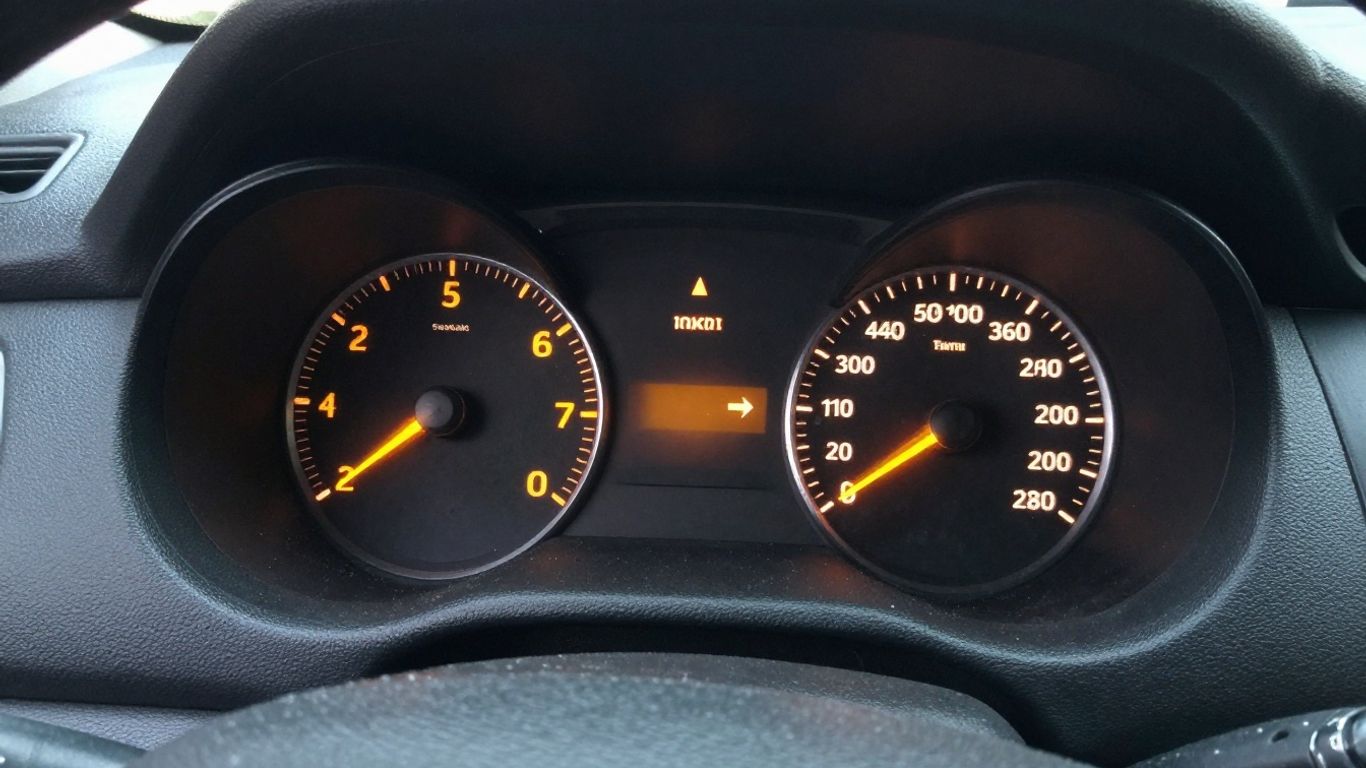
A gearbox warning light Renault drivers see may indicate that the transmission control system has detected an abnormal condition. The symbol and accompanying message vary by model, gearbox type, and model year. A warning is a prompt to investigate rather than proof of one particular failed component. Continuing to drive without checking the cause can turn a manageable fault into a more expensive one.
How Renault dashboard symbols indicate transmission problems
Dashboard symbols can point to a general transmission or electronic control issue rather than identify the failed part. The display may be accompanied by a message about checking the gearbox, a restricted operating mode, or a service requirement. Consult the vehicle handbook for the exact symbol, then note whether the vehicle still selects gears normally.
Differences between automatic and manual gearbox warnings
An automatic gearbox warning may appear with delayed engagement, harsh shifts, slipping, or a transmission that stays in one gear. A manual vehicle may show a related warning because of clutch-control, sensor, electrical, or engine-management information rather than because the gear teeth themselves are damaged. The clutch pedal feel and ease of selecting gears are useful clues, but they are not a substitute for testing.
Why the warning may appear with other dashboard lights
Transmission operation depends on information from several vehicle systems. A low-voltage condition, engine fault, brake-system message, or temperature warning can therefore appear at the same time. Reading all stored codes matters because clearing one visible warning may leave the underlying problem untouched.
What a flashing versus steady warning light can indicate
A steady light often allows a cautious trip to a repair facility if the car drives normally, although the fault should still be checked promptly. A flashing light, sudden loss of power, or rapidly worsening shift quality suggests a more urgent condition. The symptoms matter as much as the symbol when deciding whether to continue.
Common causes of a Renault gearbox warning light
Several faults can trigger the warning, and some are relatively simple while others require extensive work. Fluid condition, operating temperature, electrical supply, and control-module data all help narrow the possibilities. Avoid diagnosing the gearbox from the dashboard symbol alone.
Low or contaminated transmission fluid
Low fluid can result from a leak, incorrect servicing, or an installation problem. Contaminated or degraded fluid may affect hydraulic pressure, lubrication, and shift quality. Some transmissions also have precise checking procedures, so adding fluid without confirming the correct specification and level can create another problem.
Overheating and cooling system problems
Heat can build up during towing, heavy traffic, steep climbs, or a cooling-system fault. A blocked cooler, damaged line, low engine coolant, or restricted airflow may contribute to high transmission temperatures. If the warning appears with a temperature message or burning odor, stop in a safe place and allow the vehicle to cool rather than repeatedly testing it under load.
Faulty gearbox sensors or wiring
Speed, temperature, pressure, and position sensors provide data used to control shifting. A damaged connector, corroded terminal, broken wire, or poor ground can produce implausible readings and trigger a warning even when the mechanical parts are intact. Intermittent faults are especially difficult to identify if the inspection is limited to a quick visual check.
Clutch, solenoid, and actuator failures
Automated and dual-clutch systems use actuators and solenoids to control clutch engagement and gear selection. Wear, contamination, mechanical binding, or an electrical fault can cause hesitation, rough engagement, or a refusal to select a gear. A workshop should distinguish a failed actuator from a clutch that has worn out, since the repair path and cost can differ substantially.
Software faults and electronic control issues
A control module may store a fault because of incorrect data, a communication interruption, or a learned value that no longer suits the hardware. Battery problems can also create misleading electronic symptoms. Software checks and adaptation procedures should follow a full diagnosis, not replace one.
Renault models and systems commonly affected
The likely diagnosis depends on the transmission fitted to the vehicle, not simply its badge or engine size. Similar warning symptoms can have different causes in a conventional automatic, a dual-clutch unit, a continuously variable transmission, or an automated manual system. The vehicle identification number and exact gearbox code help a technician use the right procedure.
Automatic transmissions in Renault Clio and Captur
Clio and Captur versions can use different transmission designs across engines and production years. A warning in either model should therefore be assessed using the installed unit’s service data. Delayed drive, harsh shifting, or a message that appears only when hot can help separate a fluid, temperature, sensor, or control concern.
EDC dual-clutch gearbox warning symptoms
An EDC-type dual-clutch system may show shuddering during takeoff, hesitation between gears, difficulty selecting reverse, or a warning after repeated low-speed maneuvering. The clutch packs, actuator system, wiring, and calibration all deserve consideration. A clutch adaptation result alone should not be treated as proof that the clutch hardware is worn.
Quickshift and automated manual transmission issues
Automated manual systems use electronic control to operate clutch and gear selection. Their symptoms may resemble a conventional automatic problem, although the clutch actuator and engagement mechanism are different. Jerky starts, neutral selection, or a failure to complete a shift should be recorded carefully for the technician.
CVT and conventional automatic gearbox concerns
A CVT can produce changes in engine speed that feel unfamiliar without necessarily indicating a fault, while a conventional automatic usually changes through defined gear ratios. Both can suffer from fluid, sensor, temperature, wiring, and internal mechanical problems. The correct fluid and test procedure depend on the specific transmission.
How model year changes the likely diagnosis
A model update may bring a different gearbox, control module, connector layout, or software strategy. That is why broad online advice can mislead when applied to a specific vehicle. Give the workshop the registration or vehicle identification details before parts are ordered.
What to do when the warning light appears
First, drive calmly and assess whether the vehicle still accelerates, steers, and selects gears safely. Avoid repeatedly switching the ignition on and off in an attempt to make the warning disappear. If the vehicle behaves normally, arrange a diagnostic inspection soon; if it does not, prioritize recovery over reaching a workshop under its own power.
When it is safe to drive a short distance
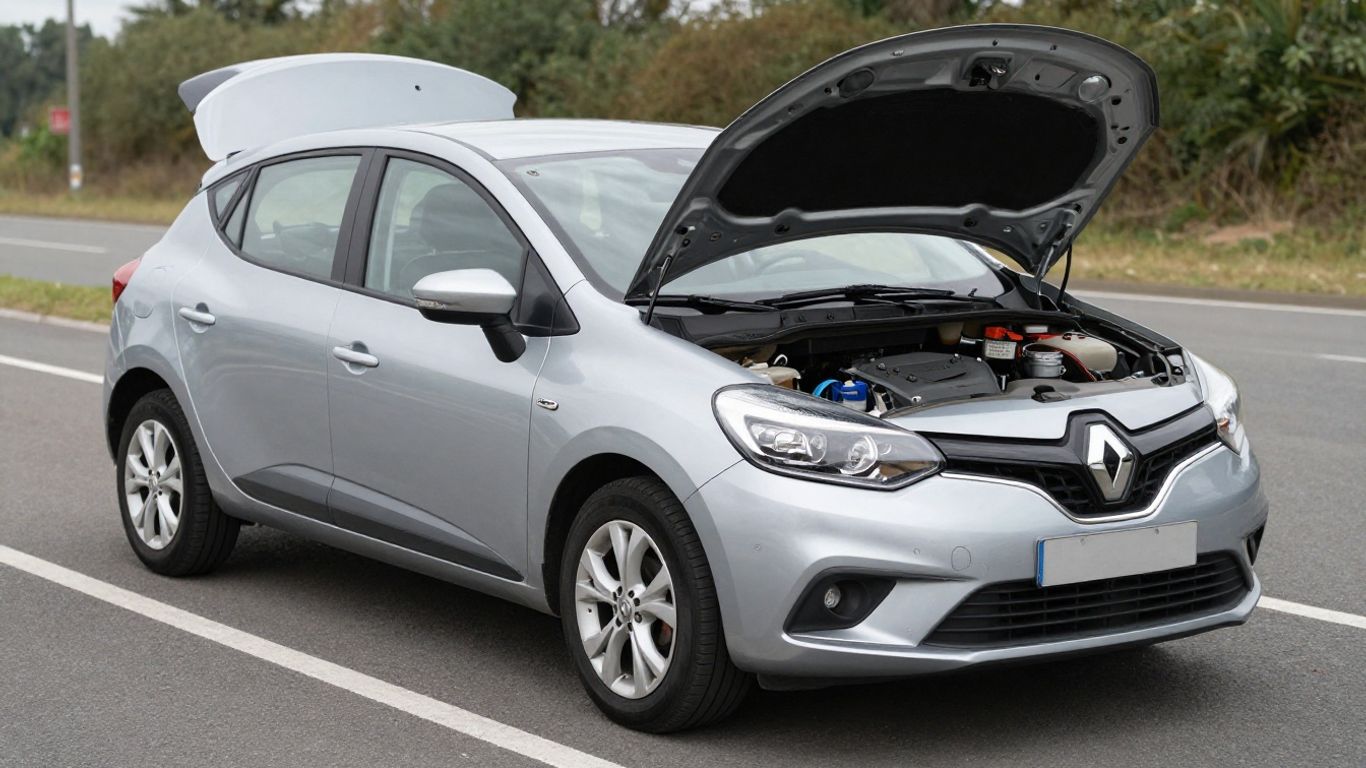
A short, gentle trip may be reasonable when the warning is steady, there is no leak or burning smell, and the vehicle shifts normally. Keep the route simple and avoid high speeds, steep hills, and stop-start congestion where possible. Stop if the symptoms change rather than trying to complete the journey at all costs.
When to stop immediately and switch off the engine
Stop as soon as it is safe if the vehicle loses drive, selects neutral unexpectedly, produces grinding or banging noises, or shows a severe temperature warning. Smoke, a strong burning smell, fluid pooling under the vehicle, or rapidly worsening slipping also calls for immediate assistance. Do not place yourself in danger by inspecting underneath a hot vehicle at the roadside.
Checking for unusual noises, smells, or shifting behavior
Make a mental note of when the symptom occurs: on startup, when cold, after warming up, during reversing, or under acceleration. Listen for whining, clunks, or grinding and notice whether the engine revs rise without corresponding road speed. These details can be more useful than simply reporting that the warning light came on.
Avoiding towing, heavy loads, and continued hard acceleration
Until the cause is known, avoid towing, carrying unusually heavy loads, and using aggressive acceleration. These conditions can increase heat and clutch load. If recovery is needed, tell the operator that the vehicle has a transmission warning so the correct towing method can be confirmed.
What information to record before seeking help
A short record makes the first conversation with a workshop more productive. Capture the following details while they are fresh:
- The exact dashboard symbol or message.
- Whether the light was steady or flashing.
- The vehicle speed, temperature, and road conditions when it appeared.
- Any slipping, hesitation, noise, odor, leak, or loss of drive.
- Recent battery work, servicing, repairs, or fluid checks.
This information does not diagnose the fault, but it can help reproduce an intermittent symptom and avoid assumptions.
How mechanics diagnose a Renault gearbox warning
A sound diagnosis follows evidence from the warning, the stored data, and the vehicle’s physical condition. Replacing a transmission before checking power supply, wiring, fluid, and software can be unnecessarily expensive. The technician should explain which test supports each proposed repair.
Reading transmission fault codes with a diagnostic scanner
A suitable scan tool can retrieve transmission, engine, and communication codes, along with freeze-frame information when available. Codes identify the system that noticed a problem; they do not automatically identify the part that must be replaced. A technician may need to clear and reproduce the fault after recording the original data.
Inspecting fluid level, condition, and leaks
The inspection should look for external leaks, damaged lines, sealing problems, incorrect level, and signs of overheating or contamination. Some units require a particular temperature range and procedure for checking level. A fluid service can help when appropriate, but it will not repair a damaged clutch, actuator, or internal gearset.
Testing sensors, solenoids, wiring, and connectors
Electrical testing may include supply voltage, resistance, signal behavior, continuity, grounds, and communication between modules. Connectors should be checked for moisture, looseness, or corrosion rather than merely unplugged and reconnected. A fault that appears only while the harness moves or the gearbox heats up may need a more careful road test.
Checking battery voltage and charging performance
Weak battery voltage or unstable charging can cause several unrelated warning lights and communication errors. A technician should check the battery state, starting voltage, charging output, and relevant grounds. This is a relatively simple step that can prevent an unnecessary transmission replacement.
Confirming whether a software update or adaptation is needed
Some repairs require a relearn, clutch adaptation, or control-module update after the mechanical issue is corrected. The procedure must match the gearbox and vehicle configuration. Adaptation cannot compensate for every worn component, so it should be performed only after the basic mechanical and electrical checks.
For broader practical reading outside transmission repair, the same habit of checking the underlying condition applies to generator maintenance guidance, concrete color choices, moving operations software, sun-damage care, and music mix translation. These references are not substitutes for vehicle diagnosis, but they reinforce the value of checking the relevant system before choosing a remedy.
Repair options and likely costs
Repair pricing varies widely because a warning can come from a connector or sensor, a clutch actuator, or internal transmission damage. A written estimate should state the confirmed fault, the proposed repair, what fluid or parts will be used, and whether programming or adaptation is included. Be cautious of estimates based only on the warning symbol.
Fluid service, leak repairs, and filter replacement
A fluid service may involve draining, refilling, checking temperature, replacing a filter, and correcting a leak. It is most useful when the fluid condition or service history supports it. The repair should address the source of any leak rather than simply topping up the level.
Sensor, solenoid, and wiring repairs
Replacing a failed sensor or repairing a damaged connector is generally less involved than opening the transmission, but access can still affect labor time. Solenoids may require valve-body work or calibration. The diagnosis should show why the component is at fault before it is replaced.
Clutch or actuator replacement for EDC gearboxes
A dual-clutch repair may involve one or more clutch components, an actuator, seals, or an adaptation procedure. Symptoms can overlap, so inspection and fault-code data are particularly important. Ask whether the quoted work covers related wear items and post-repair calibration.
Rebuilding or replacing a damaged transmission
Internal damage may require removal and rebuilding or installation of a replacement unit. The estimate should clarify whether the unit is new, remanufactured, or used, and what warranty applies. Recovery, fluid, programming, and additional damaged parts can all affect the final bill.
Factors that affect repair prices
The main cost drivers are the gearbox design, access, parts availability, labor rates, diagnostic time, and whether the problem is electrical or mechanical. Vehicle age and service history also matter. Comparing quotes is useful only when each quote describes the same repair scope.
How to prevent future gearbox warning lights
Prevention starts with the service information for the exact vehicle and transmission. It also includes noticing small changes before they become a breakdown. Good habits cannot eliminate component wear, but they can reduce avoidable heat, contamination, and electrical faults.
Following Renault’s transmission maintenance schedule
Use the maintenance schedule and any transmission-specific instructions for the vehicle’s production year. Keep invoices and record the mileage, fluid specification, and work completed. If the vehicle is used for towing, short trips, or heavy traffic, ask whether that use changes the service requirements.
Using the correct fluid and replacement parts
Transmission fluid is not interchangeable simply because two products look similar. The correct specification, quantity, filter, seal, and procedure matter. Using unsuitable fluid can affect pressure control, clutch friction, lubrication, and long-term reliability.
Recognizing early signs of gearbox wear
Take note of delayed engagement, shuddering, flare between shifts, a new whine, or a small recurring leak. A warning that disappears after restarting still deserves attention if the symptom returns. Early testing may reveal a wiring or fluid issue before it damages more expensive components.
Keeping the battery and charging system healthy
Have the battery and charging system checked when starting becomes slow or electronic warnings multiply. Clean, secure terminals and sound grounds support reliable communication between control modules. Electrical maintenance is especially worthwhile before condemning a gearbox control component.
Driving habits that reduce transmission stress
Allow the vehicle to warm normally, avoid repeated hard launches, and come to a complete stop before selecting reverse or drive. Do not hold the car on a hill with the accelerator, and avoid unnecessary towing beyond the vehicle’s limits. Smooth inputs reduce heat and clutch load during everyday driving.
Conclusion
A gearbox warning light is a signal to investigate, not a diagnosis by itself. Drive only when the vehicle remains safe and behaves normally, record the symptoms, and have the codes, fluid, electrical supply, and transmission components checked in a logical order. That approach gives you the best chance of choosing the right repair rather than paying for guesswork.
Frequently Asked Questions
Can I drive with a gearbox warning light on?
You may be able to drive a short distance if the light is steady and the vehicle shifts normally, but arrange an inspection promptly. Stop if there is slipping, severe noise, overheating, a burning smell, or loss of drive.
Does a gearbox warning light always mean low fluid?
No. Low or contaminated fluid is one possibility, but sensors, wiring, voltage, overheating, software, actuators, and internal wear can produce similar warnings.
Why does the warning disappear after restarting the car?
Restarting can temporarily remove a symptom or make an intermittent fault less obvious, but stored fault data may remain. A recurring warning should still be diagnosed.
Is a flashing transmission warning more serious than a steady one?
A flashing warning generally deserves greater urgency, especially when it comes with poor shifting, loss of power, or unusual noise. Follow the handbook guidance and stop if the vehicle is unsafe.
Can a weak battery cause transmission warnings?
Yes. Low starting voltage or unstable charging can create communication and control errors. Battery and charging checks are therefore part of a sensible diagnosis.
Should I change the fluid before scanning for faults?
Usually, scan and record the fault information first. Fluid level and condition should also be checked, but changing fluid without understanding the warning may hide useful evidence or fail to address the real cause.
How much does transmission repair cost?
The price depends on whether the fault involves fluid, a leak, wiring, a sensor, an actuator, a clutch, or internal damage. A proper inspection and a written estimate are needed before giving a meaningful figure.