

Key Takeaways
A dual mass flywheel can make engine operation smoother by absorbing some vibration and shock before it reaches the transmission. Its symptoms overlap with clutch and engine faults, so diagnosis matters before parts are replaced.
- Rattling, vibration, judder, or a change in clutch feel can point to a flywheel problem, but none confirms it alone.
- Engine, gearbox, clutch, and mount faults can create similar symptoms.
- A road test and, when needed, inspection with the gearbox removed help narrow down the cause.
- Continued driving may worsen a driveline fault; severe noise or loss of control calls for stopping safely.
- Confirm the exact vehicle specification and inspect related clutch parts before approving a repair.
How the dual mass flywheel works in a Renault Trafic
A dual mass flywheel is fitted between the engine and transmission in some manual-transmission vehicles. It uses two connected masses and internal damping components to reduce the effect of engine pulses reaching the drivetrain. Whether a particular Trafic has this arrangement depends on its exact specification, so confirm it before ordering parts.
How it reduces engine vibration and drivetrain shock
An engine produces small variations in rotational force as it runs. The flywheel’s internal springs and damping parts allow the two masses to move relative to each other, helping soften some of those fluctuations before they reach the clutch and gearbox. This can make low-speed running and gear changes feel smoother. A dual mass flywheel overview explains the same basic role: absorbing engine vibration and helping smooth the drivetrain.
How it differs from a solid flywheel
A solid flywheel is a single rigid mass, while a dual mass design has two masses connected through a damping mechanism. The dual mass arrangement is intended to filter some engine vibration; a solid flywheel does not isolate the drivetrain in the same way. A change from one design to another can affect noise, vibration, and clutch behavior, so it should not be treated as a simple interchangeable-part decision.
Why engine and transmission configuration matters
Parts that look alike may differ in mounting, dimensions, clutch compatibility, or the engine and transmission application they suit. Trafic model year alone may not identify the correct assembly, particularly if a vehicle has had previous repairs or specification changes. For a broad comparison of parts and fitting considerations, consult a technical flywheel fitting guide, then verify the vehicle details with a parts specialist or mechanic.
How to confirm the correct flywheel for your Trafic
Check the vehicle identification number, engine code, transmission type, and any relevant part numbers before buying. A registration lookup can help, but it is sensible to confirm the result against the vehicle itself and the supplier’s application data. If the gearbox has already been removed, the mechanic can compare the fitted component and clutch arrangement with the proposed replacement.
Common symptoms of dual mass flywheel failure
A worn flywheel can produce noise or vibration, but those signs are not unique to it. Clutch wear, loose mounts, engine running problems, and gearbox issues can feel much the same from the driver’s seat. The common warning signs are useful for deciding when to arrange an inspection, not for confirming a diagnosis on their own.
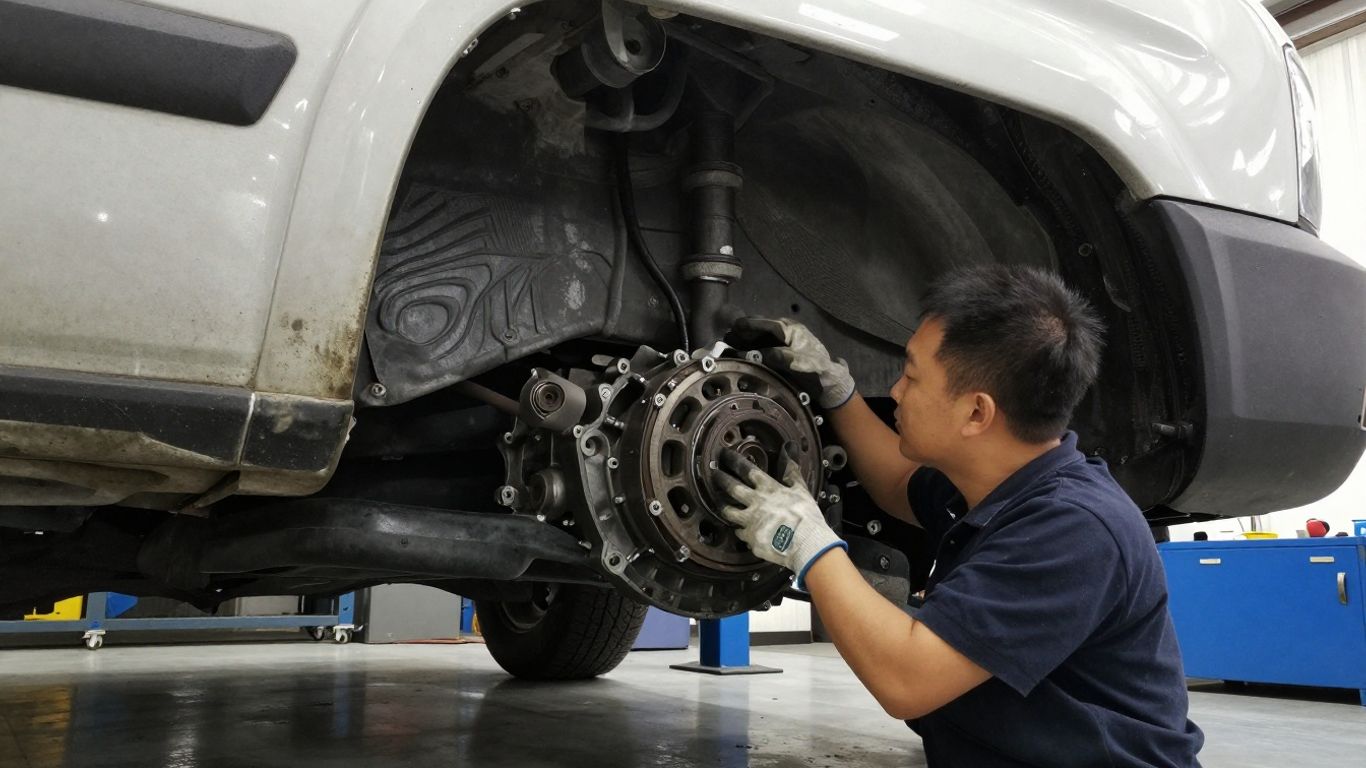
Rattling or knocking at idle
A loose-sounding rattle or knock at idle may come from wear in the flywheel’s internal damping parts, especially if the sound changes as engine speed changes. It can also come from the exhaust, heat shields, mounts, or another rotating component. Note whether the noise is present from a cold start, after the engine warms up, or only under particular conditions; that detail can help a technician reproduce it.
Clutch pedal vibration or changes in feel
Pulsation or vibration through the pedal can occur when parts of the clutch or flywheel are not running smoothly. A pedal that suddenly feels heavier, softer, or inconsistent also deserves attention, though hydraulic problems and clutch wear can cause those changes. Record whether the pedal sensation occurs with the engine running, while selecting a gear, or throughout pedal travel.
Judder when moving off or changing gears
A shudder as the van pulls away can be associated with uneven clutch engagement or flywheel wear. It may be more noticeable on a slope, with a load, or after repeated stop-start driving. Similar judder can come from contamination on clutch friction surfaces, engine or gearbox mounts, or uneven engine output, so the symptom needs to be considered alongside other evidence.
Noise that changes when the clutch pedal is pressed
If a rattle changes or disappears when the clutch pedal is pressed, the change can help a mechanic narrow down which parts of the engine-to-gearbox assembly are involved. It does not prove that the flywheel is at fault: the release bearing, clutch components, and transmission can also make noises that respond to pedal movement. Avoid repeatedly revving the engine to reproduce a sound; describe the condition and let a technician check it safely.
Difficulty selecting gears or maintaining smooth acceleration
Hard gear selection or uneven acceleration may accompany a clutch or driveline problem, but neither symptom points to one component by itself. Pay attention to whether the engine speed rises without a matching increase in road speed, whether gears resist selection, or whether the van only hesitates under load. Those distinctions give the workshop a more useful starting point than the general report that it feels rough.
How to diagnose a suspected flywheel problem
Good diagnosis starts with a clear account of when the symptom appears and what changes it. A technician will usually consider the clutch, engine, gearbox, and mounts together rather than replacing a flywheel based on a noise alone. A practical trade discussion of early DMF checks also highlights why investigating symptoms before committing to major driveline work can prevent a missed fault.
Distinguishing flywheel symptoms from clutch wear
Clutch slip, judder, and pedal changes can overlap with flywheel symptoms. A road test may reveal slip under acceleration, while inspection can show wear or contamination on clutch friction surfaces. The flywheel’s condition usually cannot be fully assessed from outside the bellhousing, so findings should be weighed against the clutch condition and other checks. The useful question is not just whether the clutch is worn, but whether one fault or several explain the complaint.
Checking for engine, gearbox, and mount-related faults
Before removing the gearbox, a mechanic can check for uneven engine running, damaged mounts, loose components, fluid leaks, and other sources of vibration or noise. This matters because replacing the flywheel will not cure a misfire or a loose mount. Use the pattern of symptoms to decide what to check first: different clues tend to point toward different systems.
| Observation | Possible area to investigate | Why it matters |
|---|---|---|
| Rattle at idle that changes with pedal position | Clutch, flywheel, or gearbox area | The sound may change as drivetrain components are loaded differently |
| Vibration through the body at idle | Engine operation or mounts | The source may be outside the clutch assembly |
| Engine speed rises without matching acceleration | Clutch friction components | Slip can occur even without a flywheel rattle |
| Judder mainly when pulling away | Clutch, mounts, or flywheel | Several faults can produce a similar shudder |
These are clues, not a diagnostic table that identifies a failed part by itself. A mechanic can use them to select further checks and then compare what is found with the vehicle’s complete symptom history.
What a road test can reveal
A controlled road test can show whether the noise occurs at idle, during take-up, under acceleration, or as the clutch is operated. The technician may also notice slip, judder, or difficulty changing gear in a repeatable situation. Do not try to provoke a severe noise or vibration in traffic; report the circumstances and leave any deliberate testing to a professional.
What a mechanic can inspect after gearbox removal
With the gearbox out, the clutch and flywheel are accessible for closer assessment. A mechanic can inspect for visible damage, heat effects, uneven wear, contamination, and excessive movement or looseness according to the component maker’s procedure. The release bearing, clutch cover, friction disc, seals, and gearbox input area are also worth checking while access is available, since a new flywheel alone may not address related wear.
Causes and factors that can accelerate failure
A dual mass flywheel wears through use, and operating conditions can affect how much stress the drivetrain sees. Heavy loading, frequent clutch slip, and uneven engine operation can increase strain, but no single driving habit proves why a particular part failed. A flywheel failure and driving habits guide offers further general background on the relationship between use and component life.
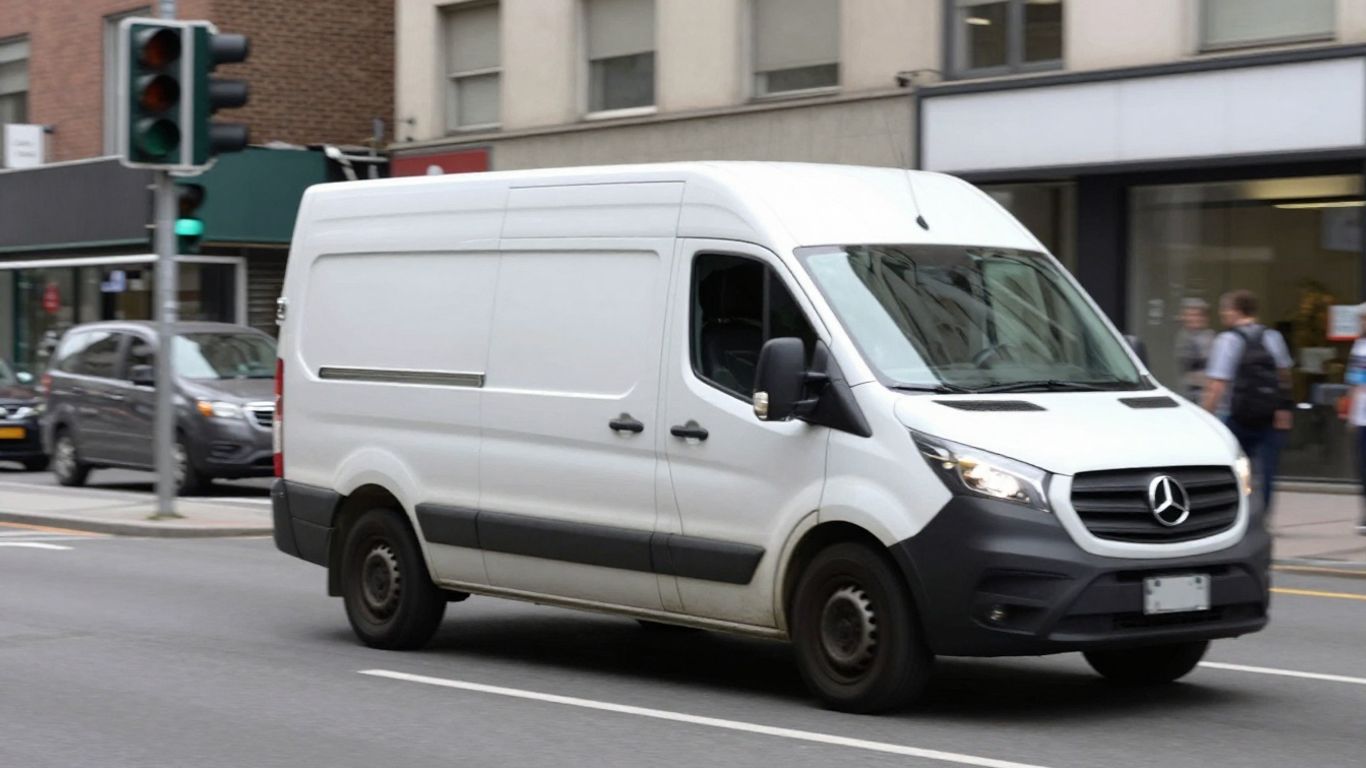
Repeated stop-start driving and heavy loads
Frequent pull-aways in traffic ask the clutch and drivetrain to manage repeated changes in torque. Carrying heavy loads or regularly starting on steep slopes can add to that work. These conditions do not guarantee early failure, but they can make smooth clutch technique and timely diagnosis more important for a working van.
Riding the clutch or using high gears at low engine speeds
Keeping a foot on the clutch pedal can cause unnecessary wear, while holding the vehicle on a slope with the clutch creates heat. Asking the engine to pull hard at very low speed in a high gear can also place extra strain on the drivetrain. Use an appropriate gear, release the clutch fully once moving, and use the brake rather than clutch slip to hold the vehicle.
Engine problems that create uneven torque
Misfires, poor running, or other engine faults can produce uneven pulses that are transmitted through the drivetrain. If a flywheel is replaced without finding an underlying engine problem, the original stress may remain. Repair planning should therefore include checking for running faults when the symptoms or diagnostic results suggest them.
Wear related to mileage, age, and driving conditions
Like other clutch-system components, a flywheel can wear with mileage and time. The rate depends on vehicle use, load, maintenance, and driving conditions, so there is no reliable universal mileage at which replacement is due. Treat a sudden change in noise or vibration as new information even if the van has covered a relatively modest distance.
Is it safe to keep driving with a failing flywheel?
The answer depends on the severity and progression of the symptoms. A mild intermittent rattle may allow time to arrange an inspection, but worsening vibration, difficulty controlling the clutch, or a loud mechanical noise raises the risk of a breakdown. If you are unsure whether the van is safe to move, seek professional advice rather than testing it on a long journey.
Signs that call for prompt inspection
Arrange a prompt check if rattling becomes louder, judder grows more pronounced, the pedal feel changes suddenly, or gear selection becomes difficult. A burning smell, repeated clutch slip, or new vibration under load also calls for attention. Explain whether the issue is getting worse and whether it occurs when the engine is cold, warm, or under load.
What can happen if the fault worsens
A deteriorating flywheel or related clutch fault can make the vehicle less comfortable and harder to drive smoothly. If a component fails further, the van may become difficult or impossible to move, and related parts may also be affected. The precise outcome depends on the fault, so it is better to investigate early than assume the sound will remain unchanged.
When to stop driving and arrange recovery
Stop in a safe place and arrange assistance if there is a severe knocking or grinding noise, strong vibration, loss of drive, smoke, or a sudden inability to select gears. Do not continue simply to reach a workshop if the van feels unsafe or the fault is rapidly worsening. Follow roadside safety procedures and tell the recovery provider what happened.
How to reduce strain until the van is checked
If a mechanic says a short trip is reasonable, keep it gentle and direct. Avoid heavy loads, steep routes, stop-start journeys, and hard acceleration, and do not rest your foot on the clutch pedal. These steps cannot repair a damaged component; they are only a way to limit extra strain while arranging an inspection.
Repair and replacement options
Once the fault is confirmed, the repair should address the cause and any worn parts found during inspection. The flywheel is located behind the gearbox, so access often involves substantial labour. Ask the workshop to explain what evidence supports the recommendation and which components will be assessed while the assembly is apart.
Replacing the flywheel with the clutch components
If the flywheel has failed or is outside the maker’s service limits, replacement may be recommended. Because the gearbox has to be removed for access, many workshops will assess the clutch components at the same time and discuss whether replacing them together is sensible. The decision should follow inspection, not an assumption that every clutch part must always be replaced.
Considering a solid-flywheel conversion
A conversion to a solid flywheel may be available for some applications, but it is not automatically suitable for every Trafic. Changing the design can alter vibration and noise characteristics, and the kit must match the engine, transmission, and clutch requirements. Ask what the conversion includes, whether it is approved for the exact vehicle, and how it may affect day-to-day driving.
Checking related parts while the gearbox is removed
The access required for flywheel replacement creates a useful opportunity to inspect nearby parts. Depending on condition, the workshop may check the clutch disc and cover, release bearing, seals, fasteners, and gearbox input area. This can help avoid paying for the same removal work again soon, but parts should be replaced based on condition and the repair procedure.
Choosing parts and confirming compatibility
Before authorizing the job, have the part application checked against the VIN and engine and transmission details. Ask whether the quote is for the specified flywheel type, what clutch parts are included, and whether new fasteners or other required items are covered. Search results can wander into unrelated topics such as outdoor furniture, a privacy and cookie policy, Forza Horizon drifting, Rocket League strategy, and digital marketing tools; keep the parts decision tied to vehicle-specific fitment information instead.
Repair costs and how to avoid repeat failures
The total bill depends on parts, labour rates, access, and what inspection reveals once the gearbox is removed. A low initial quote may not include every required component or the full cost of the repair, while a higher quote may include additional parts or warranty terms. Compare the work being proposed rather than just the headline price.
What affects the total repair price
The flywheel and clutch parts make up part of the cost, while gearbox removal and refitting can account for a substantial share of the labour. The exact application, availability of parts, additional wear, and any related repairs will affect the final amount. Ask for a written estimate that distinguishes the main parts, labour, and any conditional work.
Comparing parts, labour, and vehicle downtime
For a working van, downtime can matter as much as the invoice. Compare the estimated repair duration, parts availability, and warranty alongside the parts and labour price. If the workshop finds more damage after dismantling, ask it to explain the evidence and revised estimate before proceeding with additional work.
Questions to ask before approving the work
A few clear questions can make a large repair easier to assess:
- What checks show that the flywheel, rather than another component, is the cause?
- Which flywheel and clutch parts are included in the quote?
- Will related parts be inspected while the gearbox is removed?
- Does the price include fluids, fasteners, and any required additional work?
- What warranty applies to the parts and the labour?
The answers should make clear what is being replaced and why. If the diagnosis remains uncertain, ask what further inspection would confirm it before agreeing to an extensive repair.
Driving habits that can extend replacement life
Smooth operation reduces avoidable strain on the clutch and drivetrain. Use a suitable gear for the speed, avoid holding the van on a slope with the clutch, and do not ride the pedal while driving. Regularly address engine running problems rather than allowing uneven operation to continue, and arrange an inspection when new noise or vibration appears.
Conclusion
Dual mass flywheel failure in a Renault Trafic can show up as rattling, judder, vibration, or changes in clutch behavior, but those symptoms overlap with other faults. A careful diagnosis, correct parts identification, and inspection of related clutch and drivetrain components help ensure the repair addresses the actual cause. If symptoms worsen or the van becomes difficult to control, stop driving and arrange professional assistance.
Frequently Asked Questions
What are the most common signs of a failing dual mass flywheel?
Possible signs include rattling at idle, vibration through the clutch pedal, judder when moving off, or a change in noise when pressing the pedal. Other faults can cause the same symptoms, so inspection is needed to confirm the cause.
Can a faulty flywheel make a van difficult to shift?
It can be associated with difficult gear selection, but clutch, hydraulic, or gearbox problems can cause similar trouble. A mechanic should check the complete system rather than assume the flywheel is responsible.
Does a rattle at idle always mean the flywheel is failing?
No. A rattle may come from the flywheel, but loose exhaust parts, mounts, clutch components, or other sources can sound similar. Note when the noise occurs and have it assessed.
Can I keep driving if the flywheel is making noise?
That depends on the noise and other symptoms. Arrange an inspection promptly, and stop driving if the noise is severe, vibration is strong, drive is lost, or gear selection becomes unsafe.
Should the clutch be replaced with the flywheel?
Not in every case. Since the gearbox must be removed for access, the clutch can be inspected at the same time, and the mechanic can recommend replacement based on its condition and the repair requirements.
Is a solid-flywheel conversion suitable for every vehicle?
No. Compatibility depends on the engine, transmission, and the specific conversion kit. A change in flywheel design can also alter noise and vibration, so confirm suitability with a qualified mechanic or parts specialist.
How can I help a replacement flywheel last longer?
Avoid riding the clutch, holding the vehicle on a slope with clutch slip, and using a high gear to pull hard at low engine speed. Address engine running problems and investigate new driveline noises early.