

Key Takeaways
A gearbox adaptation reset is a controlled way to clear learned shift values, not a universal repair. The safest approach is to identify the transmission, record faults, use compatible diagnostic equipment, and allow the gearbox time to relearn.
- Confirm the vehicle and gearbox details before choosing a reset function.
- Treat adaptation clearing separately from resetting an oil service counter.
- Check battery voltage, fluid condition, and stored fault codes first.
- Follow the relearn drive cycle with gentle, consistent inputs.
- Get specialist help if warning lights, slipping, or fault codes remain.
What an automatic gearbox reset does in a Renault
The phrase automatic gearbox reset procedure Renault can describe more than one operation, depending on the vehicle and transmission. In most cases, the aim is to clear learned shift adaptations so the control system can adjust again from current conditions. It is not the same as repairing a mechanical fault or automatically restoring every setting in the vehicle.
How the transmission control module manages shifting
The transmission control module uses information from the vehicle’s sensors and operating conditions to decide when and how shifts should occur. Over time, it stores adaptive values related to clutch engagement, pressure control, and shift timing. The exact functions available vary by model, gearbox type, software version, and control module.
A driver-facing explanation of selector positions and automatic operation can be found in this Renault automatic transmission guide. It is useful background, but it does not replace the service information for a particular vehicle.
Why learned shift values may need to be cleared
A gearbox may have learned its behavior under conditions that no longer apply. A component replacement, control-module change, battery interruption, or significant service event can leave the stored values out of step with the current hardware. Clearing them gives the system a chance to build new values during a controlled drive cycle.
The reset itself should be treated as a starting point rather than a promise of an instant improvement. A reset is not a mechanical repair; it cannot restore worn clutches, correct a damaged valve body, or cure a failed sensor.
Resetting adaptations versus resetting the oil service counter
Adaptation reset and oil service counter reset are separate menu functions. The first concerns learned shift behavior, while the second records maintenance information after an oil-related service. Selecting the wrong function can create confusion during diagnosis, especially when a scanner presents several similarly named options.
The distinction matters because an oil counter may show a completed service without changing shift adaptations. Advice about a separate gearbox oil-counter operation, such as this oil counter reset discussion, should not be treated as a universal procedure for every Renault transmission.
When a Renault gearbox reset may be appropriate
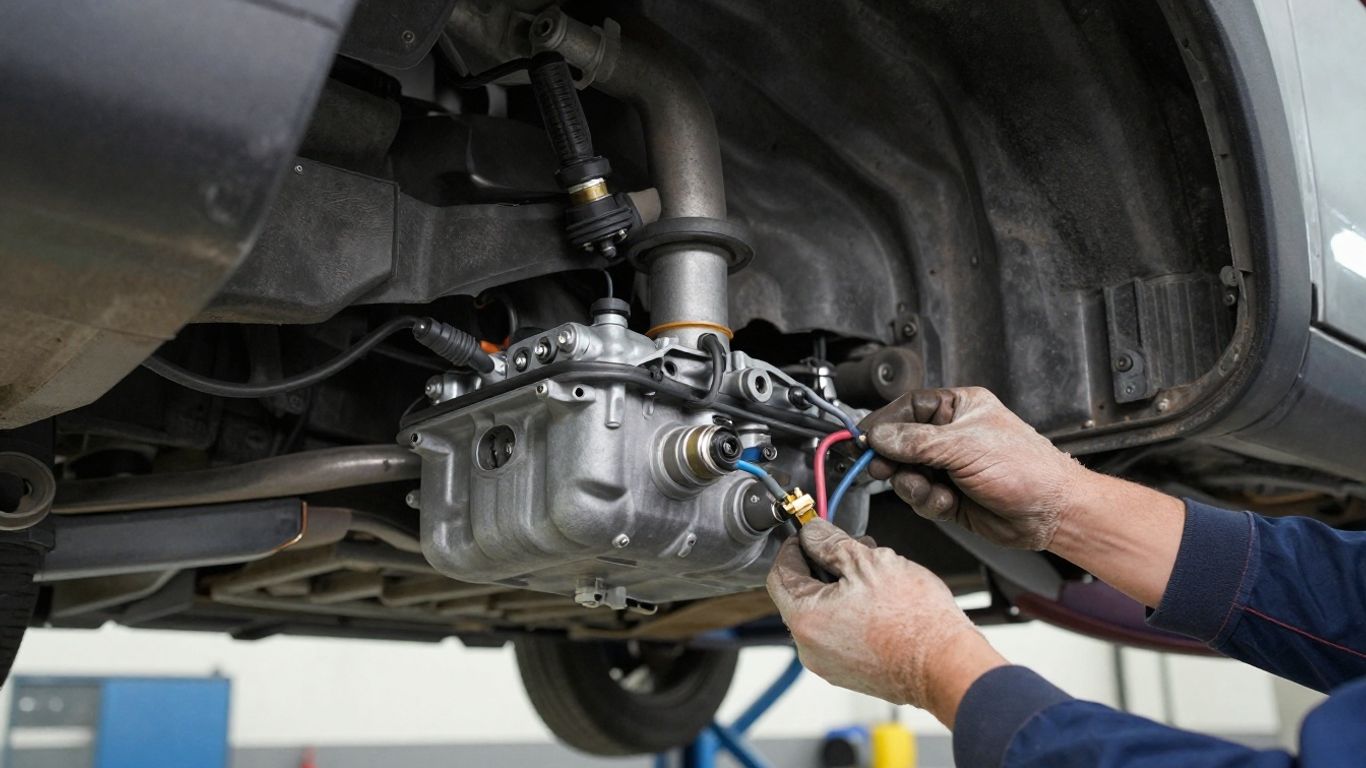
A reset is most useful when symptoms began after a relevant service event or when the stored adaptation no longer fits the vehicle’s current condition. Mildly harsh engagement, delayed shifts, or inconsistent behavior can have many causes, so symptoms alone are not enough to authorize a reset. Begin with fault-code checks and basic mechanical observations.
Symptoms linked to outdated adaptation data
Possible clues include a shift that feels different from one drive to the next, a hesitation during an otherwise normal upshift, or a firm engagement after the transmission reaches operating temperature. These signs are not proof of outdated data. They simply justify a structured diagnosis before more invasive work is considered.
An adaptation reset is more reasonable when the vehicle otherwise operates normally and the symptom appeared after work on the gearbox or related electronics. If fluid is leaking or the transmission is slipping, diagnosis should take priority.
Situations after battery, gearbox, or clutch work
Clearing adaptations may be considered after gearbox component work, clutch-related work on an automated transmission, or replacement of a relevant control component, provided the service instructions call for it. Battery disconnection can also interrupt learned information on some systems, but the effect varies and should not be assumed.
Before resetting, record what was repaired and when. That history helps a technician distinguish a normal relearn period from a fault that was present before the service.
Cases where a reset may not solve the problem
A reset is unlikely to solve a problem caused by low fluid, contaminated fluid, an electrical supply fault, damaged wiring, sensor failure, hydraulic pressure loss, or internal wear. Continuing to drive with severe slipping or a transmission warning can increase damage.
If the symptoms are worsening, the vehicle enters limp mode, or engagement becomes unsafe, stop treating the reset as a first-line experiment. A proper inspection is the safer next step.
Preparations before starting the reset procedure
Preparation prevents the most common errors: choosing the wrong control module, resetting the wrong counter, or beginning with an unstable electrical supply. The vehicle should be safely parked, the selector used only as instructed, and the scanner connected according to its own guidance. Never improvise a procedure simply because a menu label looks familiar.
Checking the Renault model, gearbox type, and service history
Record the model year, engine, transmission designation if available, and current mileage. Renault vehicles may use different automatic or automated transmission systems, and their reset menus are not interchangeable. Review the service history for recent fluid work, clutch work, software updates, or replaced components.
The correct procedure may also specify a temperature range, battery-support requirement, or preliminary calibration. If those details are unavailable, pause before clearing anything.
Verifying battery voltage and transmission fluid condition
A weak battery can interrupt a scan-tool operation and create additional faults. Check the vehicle’s electrical condition and use a suitable stabilised power supply when the service procedure requires one. Also inspect for leaks and confirm that the fluid level and specification are correct for that transmission.
A reset should not be used to hide a maintenance problem. If the fluid is discoloured, smells burnt, or is visibly contaminated, resolve that concern through the appropriate service process first.
Gathering diagnostic tools and recording fault codes
Use a scanner that can communicate with the vehicle’s transmission control module and access its relevant special functions. Before clearing anything, save the fault codes and freeze-frame information if the tool supports it. This record can be valuable even when the reset appears to work.
A practical pre-reset record can include:
- The exact warning lights and dashboard messages.
- The gear, speed, and temperature at which the symptom occurs.
- Stored and pending diagnostic trouble codes.
- Recent repairs, battery events, and fluid-service details.
Once the baseline is recorded, a later scan can show whether the condition changed or merely felt different for a short time.
How to perform an automatic gearbox reset with a diagnostic tool
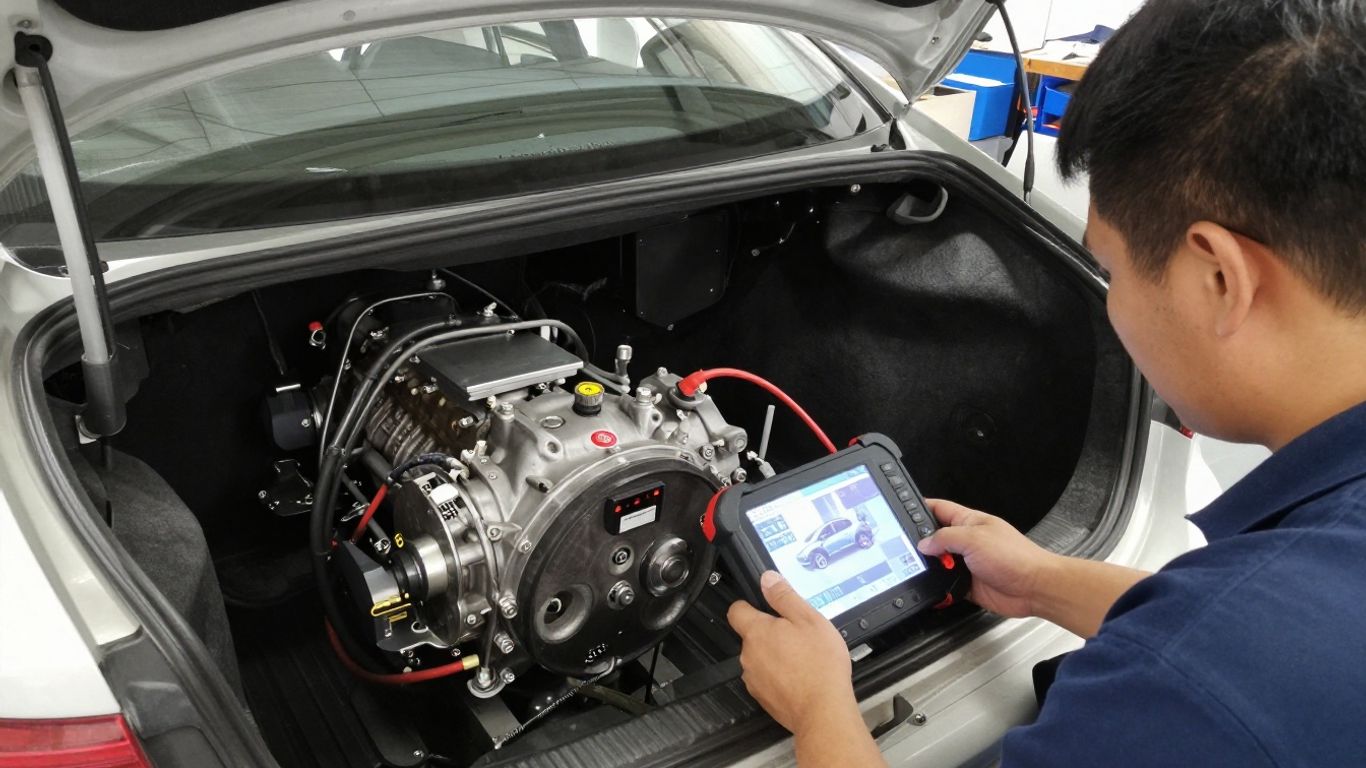
The broad sequence is similar across many vehicles, but the menu names and confirmation steps are not universal. Read the scanner prompts carefully and do not disconnect the tool while a control-module operation is in progress. If the tool reports that the function is unsupported, do not substitute a random reset command.
Connecting a compatible Renault diagnostic scanner
Connect the scanner to the diagnostic socket with the ignition state specified by the equipment instructions. Identify the vehicle using its correct model and system details, then establish communication with the transmission control module. Keep the vehicle stationary and maintain stable voltage throughout the session.
A generic code reader may display faults without offering adaptation functions. The ability to read codes is not, by itself, evidence that the tool can safely perform a gearbox reset.
Accessing the transmission control module functions
Open the transmission or gearbox control-module menu and look for a function described as adaptation reset, learned-value reset, initialization, or a comparable manufacturer-defined term. Confirm that the selected operation concerns shift adaptations rather than the oil service counter.
Before continuing, check the on-screen conditions. Some procedures require the engine off, selector in a specified position, brake pedal applied, or a particular fluid temperature. The scanner’s instructions and vehicle service data take precedence over general advice.
Clearing adaptations and following relearn instructions
Confirm the reset only after reviewing the warning that learned values will be erased. Let the tool complete the operation, then cycle the ignition only if prompted. Record any new code or failed condition rather than repeatedly attempting the same function.
A reset commonly leaves the transmission with limited learned information, so the first drive may feel different. That is why the relearn stage should begin promptly and be completed in a calm, controlled way.
Alternative reset methods and their limitations
Some owners find pedal, ignition, or battery-disconnection instructions online. These methods are often copied between unrelated vehicles and can sound more universal than they really are. They may clear temporary electronic states, but they cannot be assumed to perform the manufacturer-defined adaptation reset.
Using Renault-specific diagnostic software
Renault-specific diagnostic software may expose functions that a basic reader does not, including module identification, live data, actuator tests, and guided resets. Availability still depends on the vehicle and software version. Use the function that matches the transmission and follow every condition shown by the program.
A reset guide can explain the general idea of clearing adaptive memory, as in this transmission adaptation overview, but general information should not override vehicle-specific service instructions.
What battery disconnection can and cannot reset
Disconnecting the battery may erase some volatile settings or interrupt learned information, but it does not repair the transmission, guarantee that adaptations are cleared, or remove every stored fault code. It can also affect other vehicle settings and may introduce low-voltage or communication faults when handled poorly.
For that reason, battery disconnection is a poor substitute for a documented diagnostic procedure. It is especially unsuitable when the vehicle has an active transmission warning or a known electrical problem.
Why generic pedal or ignition sequences may be unreliable
Pedal and ignition sequences depend on the exact vehicle, module, software, and intended function. A sequence that works on one model may do nothing on another, while a driver may mistake a dashboard change for a completed adaptation reset.
If a reliable diagnostic tool is unavailable, have the procedure performed by a workshop familiar with the vehicle rather than relying on an unverified sequence. The cost of a correct diagnosis is usually lower than troubleshooting a new fault created by guesswork.
Completing the transmission relearn drive cycle
After adaptations are cleared, the gearbox needs consistent operating conditions in which to build new values. The drive cycle should follow the scanner or service-manual instructions whenever they are available. Choose a safe route with light traffic and enough room for smooth acceleration and deceleration.
Starting with the correct engine and fluid temperature
Begin only when the engine and transmission have reached the temperature specified for the procedure. Starting too cold can produce results that do not match the intended calibration conditions. Avoid aggressive acceleration while the fluid is warming.
If the scanner displays live temperature data, use it as a useful confirmation rather than guessing from the dashboard gauge. Temperature requirements differ, so do not copy a number from another vehicle.
Applying gradual throttle and controlled gear changes
Use light, steady throttle and allow the transmission to complete its shifts without repeated kickdown requests. Smooth inputs give the control module a clearer opportunity to learn clutch fill and shift timing. Follow the specified gear range and speed pattern where one is provided.
A measured sequence is generally easier to interpret than a mixture of hard acceleration, braking, and manual interventions. If a shift becomes severe or the warning light returns, end the drive and scan the vehicle again.
Adapting the gearbox in traffic and on inclines
Once the basic sequence is complete, normal driving can expose the gearbox to gentle stops, starts, slopes, and moderate changes in load. Do not deliberately create harsh conditions to force adaptation. Hills and traffic should be approached gradually, with enough distance to avoid abrupt throttle changes.
Allow time for the behavior to settle. A short drive may not complete every learning value, and a temporary difference in shift feel does not automatically indicate failure.
Checking the result and handling persistent faults
The final stage is verification, not simply deciding that the vehicle feels better. Recheck the module, compare the new scan with the original record, and pay attention to warning lights or changes in engagement. A successful reset should leave a clear diagnostic trail.
Confirming that stored fault codes are cleared
Scan the transmission control module after the relearn drive and note whether the original codes are absent, pending, or active. Some codes may return immediately because the underlying condition remains. Do not erase them repeatedly without investigating why they came back.
Also check other modules if the original problem involved communication or low voltage. A transmission symptom can sometimes be accompanied by faults elsewhere in the vehicle.
Recognizing normal behavior after adaptation reset
A gearbox may shift slightly differently while it rebuilds learned values. Minor variation during the early drive cycle can be normal when no warning light appears and engagement remains controlled. Improvement should be judged over several suitable drives, not one gear change.
Persistent shuddering, slipping, banging into gear, delayed engagement, or a returning warning message is not a normal reason to keep driving. These signs call for renewed diagnosis.
When to seek a Renault transmission specialist
Seek specialist assistance when the reset function fails, the scanner cannot communicate, codes return, or the vehicle shows unsafe transmission behavior. A specialist can test wiring, sensors, hydraulic operation, software, and internal components rather than relying on repeated resets.
Bring the fault-code record, service history, and details of the relearn drive. That information makes the next diagnosis faster and helps prevent unnecessary parts replacement.
Conclusion
A careful automatic gearbox reset procedure Renault begins with identification and diagnosis, then moves through a compatible reset function and a controlled relearn drive. Clearing adaptations can be useful after relevant work, but it cannot replace fluid service or mechanical repair. When symptoms or codes persist, accurate records and specialist inspection are the safest way forward.
Frequently Asked Questions
What does an automatic gearbox reset change?
It generally clears learned shift adaptations so the transmission control system can build new values. It does not repair worn components or automatically erase every fault.
Is a gearbox reset the same as an oil service reset?
No. An adaptation reset concerns learned shift behavior, while an oil service reset records maintenance information. They are separate functions.
Should fault codes be cleared before a reset?
Record the codes first. Whether they should be cleared before or after the adaptation operation depends on the vehicle’s diagnostic procedure.
Can disconnecting the battery reset an automatic gearbox?
Battery disconnection may affect some temporary settings, but it is not a dependable substitute for a defined adaptation-reset procedure.
How long does relearning take after a reset?
The time varies by vehicle, transmission, temperature, and driving conditions. Follow the specified drive cycle and allow several normal drives if no fault remains.
Can a reset fix harsh shifting?
It may help when outdated adaptations are the cause, but harsh shifting can also result from fluid, electrical, hydraulic, sensor, or internal mechanical problems.
When should a transmission specialist inspect the vehicle?
Arrange an inspection when warning lights return, codes remain active, the vehicle slips or bangs into gear, the reset cannot be completed, or the symptom becomes unsafe.