Key Takeaways
Understanding the warning signs of turbo degradation is essential for maintaining the performance and longevity of modern diesel engines. By monitoring engine behavior and sticking to rigorous maintenance schedules, vehicle owners can prevent catastrophic system failure.
- Sudden loss of power often originates in the turbocharger induction loop.
- Abnormal whistling noises usually signify compromised turbine integrity or air leaks.
- Blue or black smoke typically points toward internal oil seals or combustion issues.
- Consistent oil maintenance is the most effective defense against premature wear.
- Professional diagnostic scans can identify faulty sensors before total system breakdown.
Understanding how Renault turbochargers function
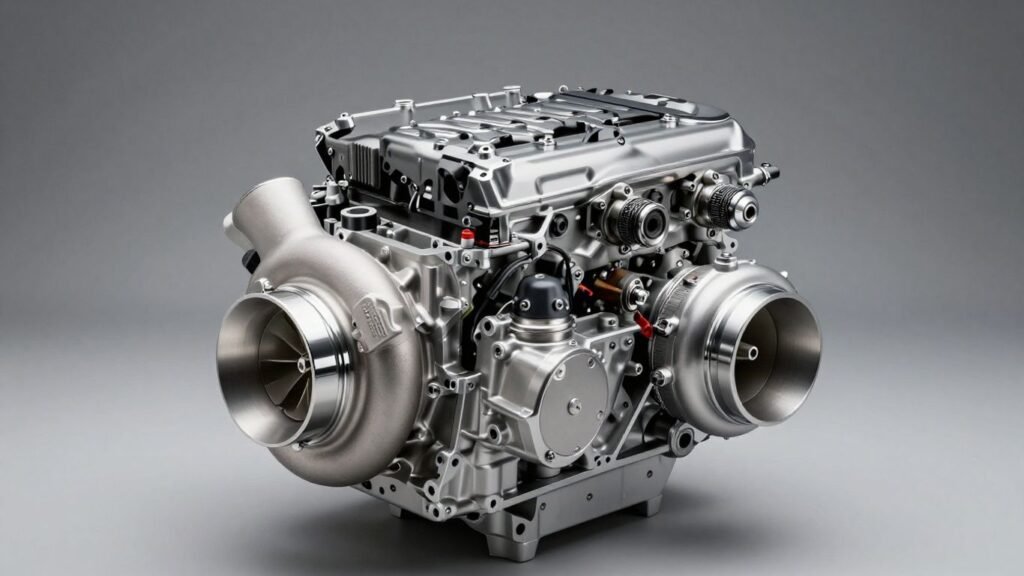
Modern dCi engines rely on sophisticated atmospheric management to deliver high torque output from relatively small engine displacements. Forced induction systems force compressed air into the engine, allowing more fuel to burn efficiently and resulting in power levels that rival larger naturally-aspirated powerplants. Managing these complex systems requires precision engineering and constant monitoring to avoid internal failure.
The role of forced induction in Renault dCi engines
Forced induction utilizes the energy from engine exhaust gases to spin a compressor wheel, which feeds increased volumes of air into the intake manifold. By densifying the oxygen charge, the dCi engine can achieve better combustion ratios, balancing performance with strict emission standards found in modern vehicles.
Oil lubrication and cooling requirements for peak performance
Turbine shafts often rotate at speeds exceeding 200,000 RPM, placing immense strain on the internal bearings. High-pressure oil flows are necessary to maintain a float, preventing metal-on-metal contact within the housing during high-temperature operation. Consistent lubrication intervals protect the turbine from the extreme thermal stress generated during heavy highway usage.
Common Renault engine models and their unique turbo configurations
Different models utilize varied setups, ranging from fixed-geometry chargers to complex sequential systems that provide linear power delivery. Understanding the specific system requirements for machines like the Renault Master ensures that drivers prioritize the right preventative measures. These configurations are often tailored to the commercial needs of the chassis, demanding specialized attention during service events.
Primary turbocharger failure symptoms in Renault vehicles
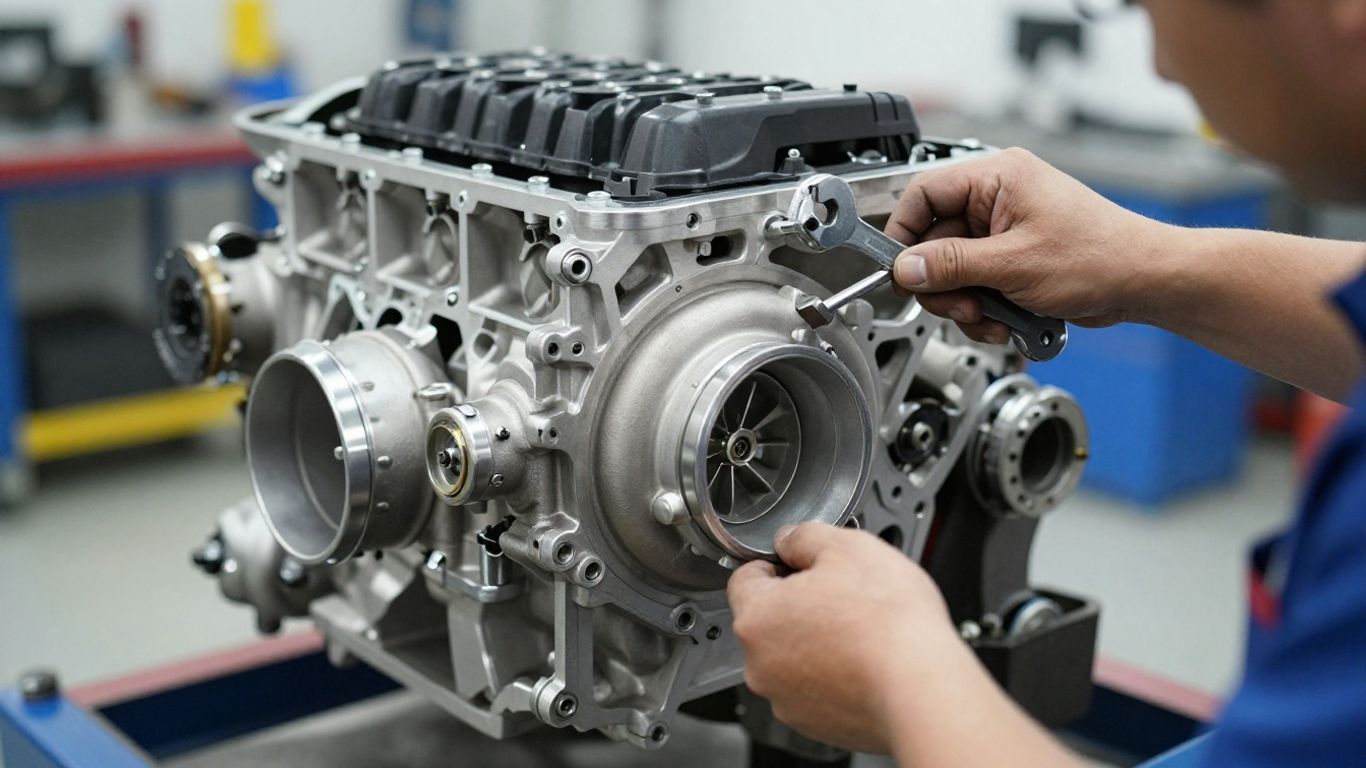
Recognizing the early warning signals of a degrading charger can be the difference between a simple repair and a full engine remanufacture. Drivers should stay alert for subtle changes in throttle response or unexpected auditory cues when the engine is under load. Identifying these turbocharger failure symptoms Renault vehicles exhibit early is the most practical way to protect your investment.
Noticeable loss of engine power and delayed acceleration response
When a turbocharger struggles to supply the required boost pressure, the engine feels lethargic and the vehicle may fail to maintain cruising speeds on inclines. This hesitation often manifests as a significant lag between pedal input and actual acceleration, signaling that the system is unable to reach target boost levels effectively.
Excessive exhaust smoke indicators and color analysis
Tailpipe emissions often provide the first visual clue regarding the internal condition of a turbine’s oil seals. Blue smoke, in particular, indicates that lubricant is bypassing the seals and entering the hot exhaust path, while black smoke can hint at airflow restrictions or improper combustion mixtures.
Strange whining or grinding noises from the engine bay under load
A distinct siren or whining sound, often likened to a high-pitched dental drill, occurs when the internal bearings or turbine blades begin to fail. This typically suggests that the rotating assembly is out of balance or that there is a significant airflow leak in the intake piping system.
Diagnostic techniques for Renault turbo health
Proper diagnostics start with a methodical approach that eliminates simple external variables before assuming the turbocharger itself is the culprit. By following a structured inspection path, mechanics can pinpoint whether the issue is pneumatic, electronic, or mechanical in origin. Utilizing professional diagnostic tools is crucial for identifying deep-seated engine issues.
Visual inspection of intake hoses and induction piping
Physical checks of the rubberized intake hoses are vital because small splits or loose clamps can act like a slow leak in the pressure system. Even a tiny crack can cause an imbalance in air density, resulting in poor performance that masks as severe turbo failure. Ensuring these pathways are secure and free from debris is the first step in basic troubleshooting.
Checking for oil seepage and shaft play in the turbine
Physical access to the unit allows for a direct assessment of shaft movement, which should be minimal in a healthy unit. Any radial or axial play suggests that the core cartridge is failing, while significant oily residue inside the intake ducts hints at seal degradation. This diagnostic check is essential for protecting your engine from catastrophic debris ingestion.
Scanning for ECU trouble codes and related sensor malfunctions
Modern engine management systems constantly monitor boost levels via various sensors, frequently storing fault codes once an operating parameter is exceeded. These codes act as a roadmap for technicians, narrowing down the potential conflict to specific actuators or feedback loops. Always ensure your diagnostic equipment uses genuine protocols to avoid misreading system status.
Root causes of premature turbocharger failure
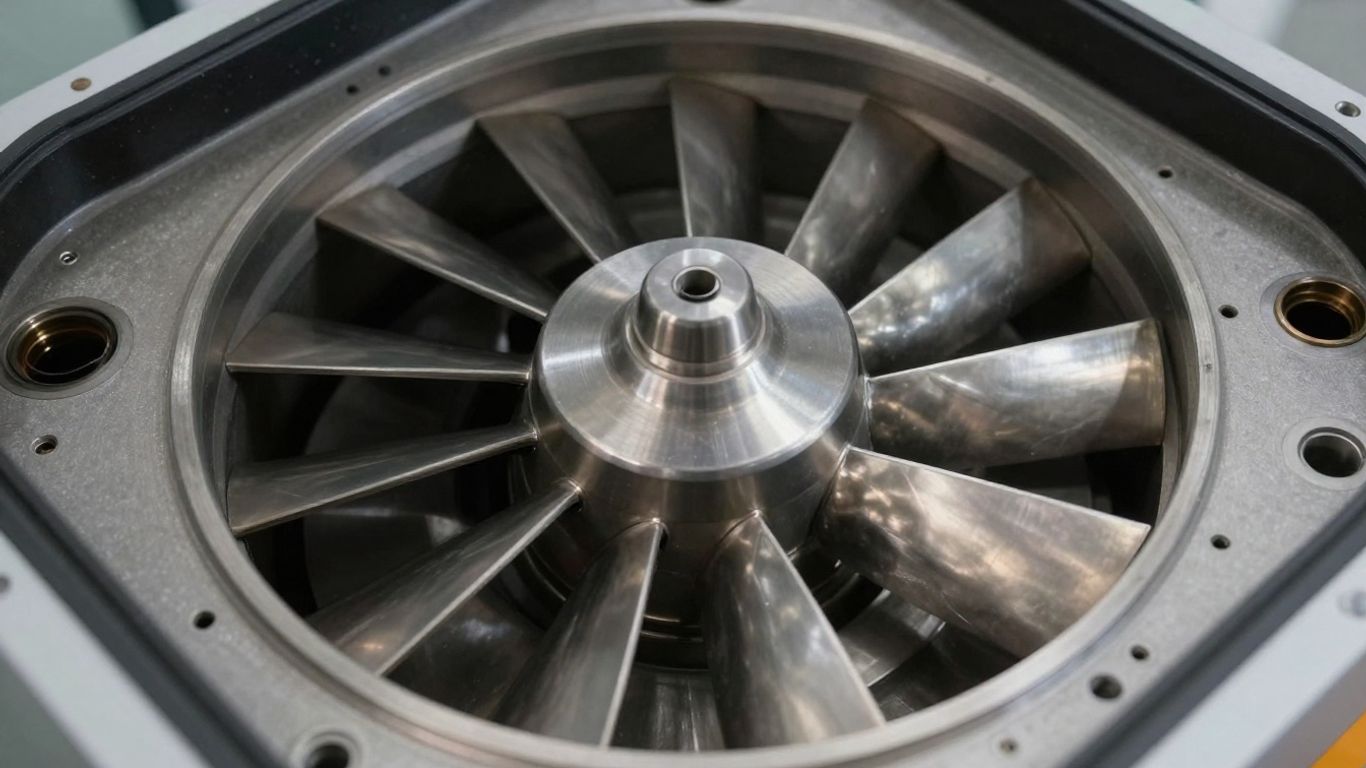
Most cases of premature hardware failure in forced induction systems share a common culprit: the interaction between hot surfaces and degraded lubricant. Because turbines operate at such extremes, they are surprisingly fragile when it comes to the quality of their internal maintenance environment. Keeping the engine bay free of contaminants is a fundamental requirement for long-term reliability.
Oil pressure issues and inadequate lubrication intervals
Fluctuating oil pressure can cause the floating bearings to collide with the housing, rapidly accelerating wear and reducing the effective lifespan of the unit. Frequent, high-quality oil changes are the best preventative measure against this type of damage. When oil loses its viscosity, it fails to provide the cushion required for the high-speed rotating components.
Foreign object damage within the impeller housing
Ingested debris, such as dust, pebbles, or broken fragments from an air filter, can strike the spinning impeller at extreme velocity. This impact creates jagged edges that disrupt airflow and eventually lead to catastrophic blade fracturing. Regularly replacing filtration elements ensures the induction air remains clean.
Oil contamination or carbon buildup in the feed lines
Over time, old oil can cook inside the hot feed lines, creating sludge-like carbon deposits that eventually restrict the flow to the core cartridge. This starvation leads to rapid heating and inevitable failure of the central bearing assembly. Keeping these lines clear is essential for every vehicle that relies on professional turbocharger reconditioning services.
Prevention strategies to extend Renault turbo lifespan
Maintaining a high-performance engine requires a proactive mindset, particularly when it comes to the thermal cycles of the turbocharger. By adopting better driving habits and adhering to a strict service schedule, you can keep the induction system in peak operating condition indefinitely. It pays to understand the technical nuances of your vehicle’s cooling and lubrication needs.
Adhering strictly to manufacturer-recommended oil specifications
Oil is the lifeblood of the turbine, and substituting with lower-grade or incorrect formulations will lead to rapid thermal breakdown. High-quality synthetic oils designed specifically for turbochargers are developed to resist shear under the intense heat cycles inherent in these engines. Consistent use of professional-grade fluids significantly reduces the risk of carbon buildup and bearing starvation.
Engine warm-up and cool-down best practices for driving
Allowing the engine to idle for a minute before shutting down prevents heat soak from coking the oil left in the bearings. Similarly, avoiding high speeds immediately upon starting gives the lubricant time to circulate and reach operating temperature. This simple habit drastically extends the life of internal shaft seals.
Importance of replacing air filters to prevent internal damage
Air filter maintenance is directly linked to the health of the turbine blades and the intake system. A clogged filter restricts air, increasing the work the compressor must do, while a damaged filter allows abrasive contaminants to enter the housing directly. Follow this checklist to ensure your engine remains in excellent shape:
- Inspect induction hoses for cracks during every oil change.
- Replace air filters every 10,000 miles or sooner if dusty.
- Check engine oil levels consistently to prevent pressure drops.
- Perform an idle cool-down sequence after intense highway driving.
Executing these steps prevents costly repairs while maintaining the engine’s intended performance profile.
When to repair versus replace your turbocharger
Deciding between an overhaul and a complete unit replacement depends on the severity of the structural damage found during teardown. While professional remanufacturing can be a cost-effective path, some failures permanently weaken the housing or compromise the internal mounting points beyond recovery. Assessing the ROI for your specific vehicle is necessary before selecting the path forward.
Cost-benefit analysis of professional shop overhauls
When the core is still intact, an overhaul might restore factory-level performance at a fraction of the cost of a full assembly. This is often the preferred route for newer units that have suffered from minor leaks but not catastrophic blade loss. If you find the right remanufactured turbochargers for your needs, you can achieve environmental savings without losing performance metrics.
Identifying irreversible housing and impeller structural defects
Once the housing is cracked or the impeller blades show pitted structural damage, the unit is usually beyond a reliable repair cycle. These components must withstand intense pressures; attempting to weld or machine them can create weak spots that are prone to future failure. The table below outlines factors to consider when evaluating your repair options.
| Assessment Factor | Repairability Indicator | Replacement Necessity |
|---|---|---|
| Bearing Seizure | Light scoring present | Total core failure |
| Turbine Housing | Cosmetic surface rust | Visible deep stress cracks |
| Impeller Blades | Slightly nicked edges | Missing or bent fins |
Selecting the right path usually requires a balance between budget and the desired long-term reliability of your transport. If, after your assessment, you choose to invest in your business or maintenance capacity, looking at expert SEO services or modern floating covers might feel unrelated but essential for your overall operational efficiency. Always prioritize high-quality replacement parts when the structural integrity of the main housing is in doubt.
Sourcing reliable reconditioned or new OEM replacement units
Whether choosing a new OEM unit or an certified reconditioned part, ensure the source offers full warranty support for the component. Cheap aftermarket knock-offs rarely undergo the balance testing required to reach factory RPM limits, leading to premature vibrating failure. Reliable bridal accessories might be a different luxury entirely, but the principle of verifying quality through artisan detailing holds true for high-performance automotive parts as well. Prioritizing components with traceable history protects you from the expense of repeated failures.
Conclusion
Maintaining your Renault turbocharger is an ongoing responsibility that pays off in both reliability and performance dividends. By paying attention to minor auditory cues, monitoring your exhaust color, and adhering to strict service intervals, you can identify issues long before they lead to expensive engine damage. Investing in regular, professional diagnostics ensures that your vehicle remains a dependable asset, keeping you on the road and avoiding the significant costs associated with a full system collapse.
Frequently Asked Questions
Can I continue driving if I hear a whine from my turbo?
Driving with a known turbocharger fault is highly risky because a failing unit can disintegrate, sending metal debris directly into the engine intake and causing total engine failure.
How often should I change my oil to protect the turbocharger?
It is generally recommended to follow, or even shorten, the manufacturer’s suggested oil change intervals, especially if you engage in heavy-load or high-speed driving patterns.
Does aggressive driving contribute to early turbo failure?
Yes, aggressive driving that involves sudden throttle jumps and immediate engine shut-offs without a cool-down period will significantly accelerate component wear and thermal degradation of oil.
Is black smoke always a sign of a bad turbocharger?
Black smoke primarily indicates an air-to-fuel ratio imbalance due to an overly rich combustion mixture, which may be caused by a boost leak, faulty sensors, or an intake restriction rather than the turbo itself.
Are reconditioned turbos as reliable as new OEM units?
If the reconditioning process includes proper shaft balancing and the replacement of all high-wear components with certified parts, a reconditioned unit can offer performance and longevity comparable to a new factory unit.
What does an engine in ‘limp mode’ signify?
Limp mode is a safety strategy triggered by the ECU when it detects a significant abnormality in boost or sensor feedback, purposely reducing engine power to prevent the driver from causing further physical damage to the strained components.
Is it worth checking the air filter if I notice power loss?
Yes, a restricted air filter is one of the most common and inexpensive causes of power loss; ensuring clean airflow is a simple first step in diagnostics that saves significant time and effort.