Key Takeaways
Understanding oil consumption helps in maintaining engine health and longevity. Here are the most critical factors and strategies identified in this guide:
- Piston ring and turbo seal wear are primary drivers of high oil usage.
- Manufacturer standards for oil consumption can vary significantly between different engine models.
- Consistent monitoring using the dipstick prevents reliance solely on dashboard warning lights.
- Selecting the correct oil viscosity is essential for maintaining optimal engine pressure and lubrication.
- Proactive maintenance, including timely filter replacements, mitigates long-term repair costs.
Causes of excessive oil consumption in Renault engines
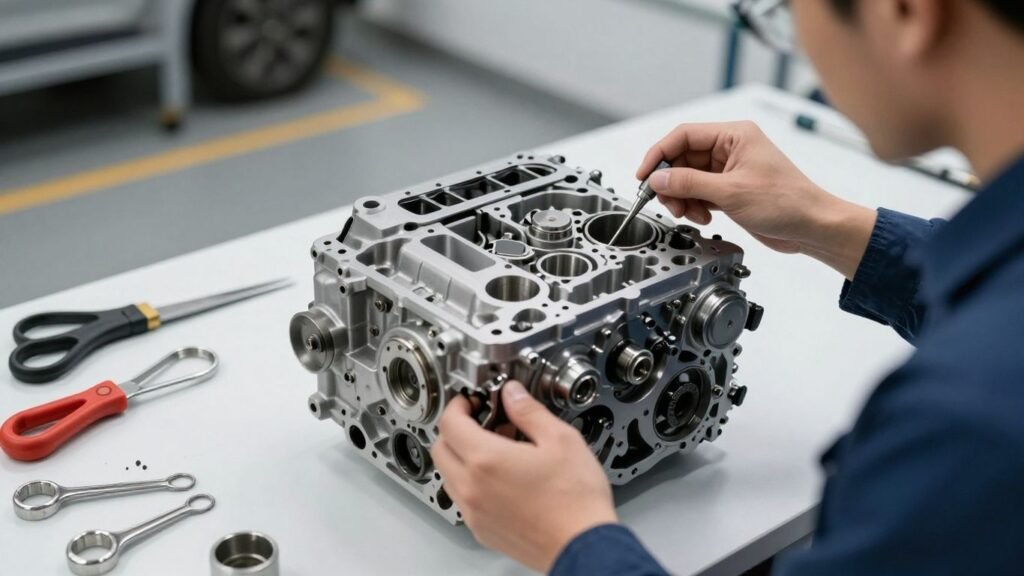
Engines rely on a delicate balance of lubrication and compression to operate efficiently. When this balance is disrupted, oil may bypass intended seals and enter the combustion chamber or leak externally. Identifying these mechanical failures often requires a methodical approach, starting with the most frequent wear points common in aging or high-mileage gasoline and diesel powerplants.
Worn piston rings and cylinder walls
When piston rings fail to create a total seal against the cylinder wall, combustion pressure can force oil upward into the combustion chamber. This common mechanical wear issue leads to burning oil during every stroke cycle. Over time, friction smoothens the honing on the cylinder wall, further reducing the effectiveness of the ring seal.
Issues with the positive crankcase ventilation system
The positive crankcase ventilation (PCV) system is designed to manage internal engine pressure by recirculating gases back into the intake. If this valve becomes clogged with sludge, internal pressure builds and forces oil vapor through seals that are not designed to handle it. A blocked system creates significant efficiency degradation, similar to how offshore logistics streamline supply chains by reducing waste.
Turbocharger seal degradation
Turbocharged engines rely on thin oil films to support high-speed turbine shafts. When the seals degrade, pressurized oil is sucked directly into the intake tract or pushed into the hot exhaust side. This phenomenon is a frequent subject of discussions, such as those found when seeking advice about specific engine behaviors.
Degraded valve stem seals
Valve stem seals prevent oil from the cylinder head trickling down the valves into the combustion chamber. If these seals harden or crack, oil is drawn in during the intake stroke. The presence of blue smoke upon initial startup is a classic indicator that these components are no longer performing their function.
Identifying normal vs. abnormal oil usage
Drivers often struggle to differentiate between standard engine oil evaporation and genuine mechanical failure. While modern engines are designed to be quite efficient, they still possess specific consumption tolerances that owners should monitor regularly.
Understanding manufacturer-specified tolerance levels
Every manufacturer defines a limit for what is considered acceptable oil loss per kilometer. Drivers can explore common symptoms to see if their experience aligns with these professional guidelines. The variances are significant, making it vital to reference your specific manual rather than comparing your engine to others.
Checking oil consumption patterns over time
Keeping a paper record allows you to see if usage spikes under heavy load or remains steady during highway miles. We have organized the typical oil consumption stages below to help you categorize your engine’s current state:
| Consumption Level | Typical Symptom | Suggested Action |
| :— | :— | :— | :— |
| Optimal | Less than 0.1L/1000km | Normal maintenance intervals |
| Elevated | 0.1L – 0.5L/1000km | Monitor closely and perform checks |
| Critical | Over 0.5L/1000km | Immediate professional diagnostic required |
By tracking these rates, you can determine if your engine is shifting from normal wear to a state requiring repair. Proactive observation often clarifies why the oil warning light might be triggering unexpectedly.
Visual inspection of exhaust smoke colors
The color of the smoke exiting the tailpipe provides an instant window into the combustion process. Blue-tinted smoke generally signals that burning motor oil is occurring internally. This distinction is important for distinguishing oil-related issues from fuel or coolant anomalies.
Monitoring oil warning lights and dipstick readings
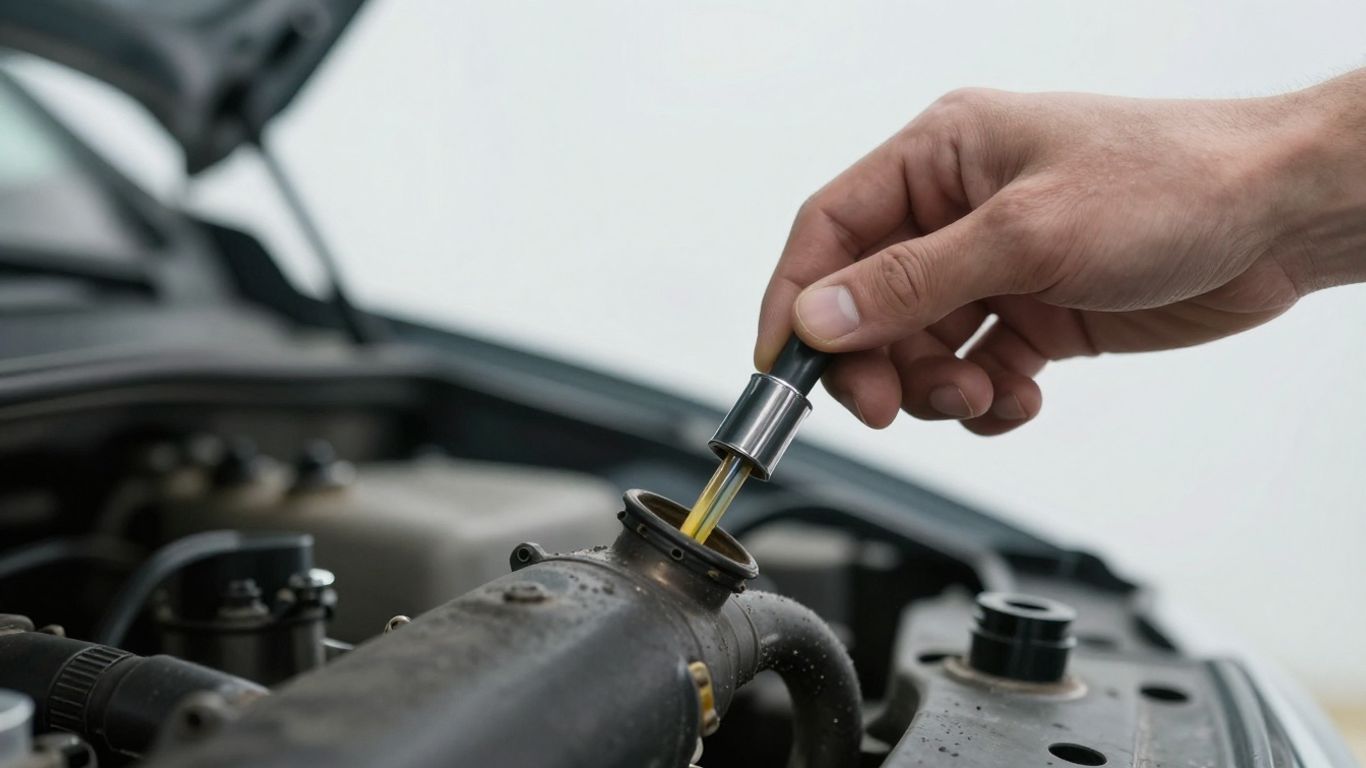
While warning lights are convenient, they often trigger only when the oil level is critically low. Manual dipstick checks are the gold standard for accuracy. Consistent reliance on the dipstick provides the most reliable data on Renault engine oil consumption trends.
Diagnosing leak points in Renault engines
Finding the source of oil loss is sometimes more difficult than fixing the problem itself. A thorough approach requires inspecting all physical paths that oil might travel before confirming internal failure.
External oil leaks at gaskets and seals
External leaks are usually visible as residue on the garage floor or the underside of the engine. Common culprits include the valve cover gasket or the front and rear main seals. Cleaning the engine bay thoroughly can often reveal hidden trails of seepage.
Internal consumption via combustion chamber leakage
When oil enters the combustion chamber, it is burned alongside fuel. This often points to piston ring failure or valve seal wear rather than a simple gasket leak. You can consult additional data on common diesel culprits to see if these signs match your vehicle’s profile.
Utilizing diagnostic tests like compression and leak-down
A compression test measures the ability of your cylinders to hold pressure, while a leak-down test identifies exactly where that pressure is escaping. Performing these tests provides definitive proof of cylinder wall integrity without stripping the engine entirely. These procedures remain the most effective way to validate if the mechanical health of the block is sound.
Investigating cooling system contamination
If the oil or coolant levels are changing, check the fluids for cross-contamination. An oil film in the coolant reservoir is a smoking gun for a blown head gasket. This is a severe failure that demands urgent attention to prevent widespread engine seizure.
Impact of maintenance practices on oil levels
How a vehicle is looked after dictates its longevity more than almost any other variable. Following the service manual is not merely a suggestion; it is the manufacturer’s blueprint for ensuring the engine stays within its design parameters for as long as possible.
Selecting the correct viscosity for Renault specifications
Viscosity is not just about temperature; it is about how the oil flows through narrow channels at high pressure. Using thinner or thicker oils than recommended can increase shear-induced oil burning. To manage your fleet better, consider modern strategies similar to how offshore logistics improve operational performance for many companies.
Consequences of extended oil change intervals
Oil begins to degrade the moment it is introduced to the engine heat. Waiting too long to change it leads to sludge formation, which can block vital orifices and prevent cooling. We recommend the following schedule to ensure maximum engine life:
- Change synthetic oil at intervals not exceeding 10,000 km.
- Use high-quality filters to ensure consistent pressure regulation.
- Conduct a visual inspection of the engine bay every 5,000 km.
- Top up oil strictly with the manufacturer,recommended specifications.
Following these simple steps keeps the engine running in a clean, healthy state. If you are feeling physical discomfort while performing these tasks, you might consider non-surgical pain relief options for your own well-being.
Quality of oil filters and their impact on pressure
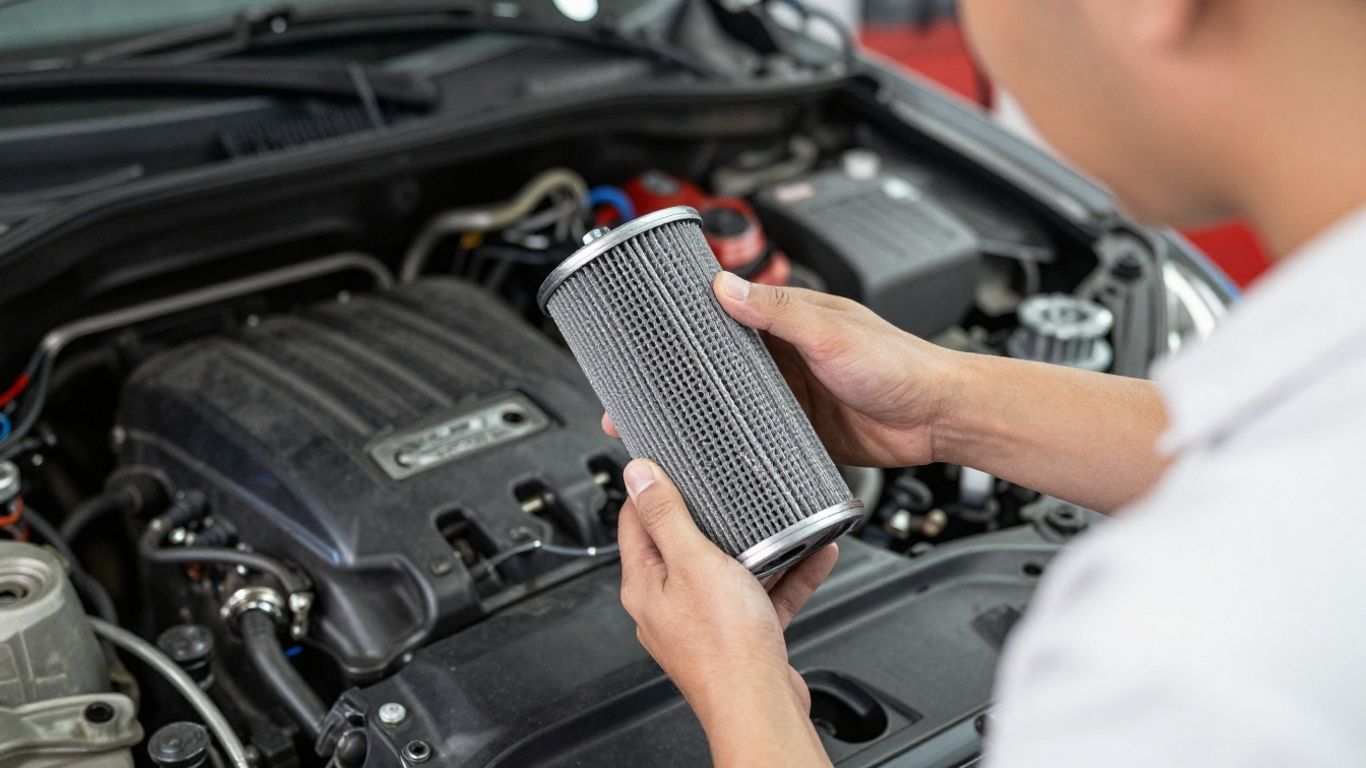
A filter that is too cheap may lack the proper bypass valve spring rate, causing oil to flow unfiltered or under incorrect pressure. Consistent pressure is vital for keeping piston rings expanded and cooling the underside of the pistons effectively.
Common issues in specific Renault engine families
Certain engine families have gained reputations for specific needs regarding their internal lubrication paths. Understanding the nuances of your specific engine code can save a lot of frustration during the diagnostic process.
High-pressure common rail diesel peculiarities
Diesel engines run at significantly higher internal pressures than their gasoline counterparts. This strain places a greater load on turbo seals and crankcase ventilation, meaning these components typically show signs of wear sooner on these platforms.
Turbo-petrol engine oil blow-by habits
Turbo-petrol engines often suffer from oil blow-by, where excessive pressure in the crankcase forces oil into the combustion chambers. This is a known issue across several forced-induction platforms and often requires a catch-can or upgraded PCV system to control.
Addressing the 1.2 TCe consumption concerns
These specific engines have been the subject of significant regulatory and consumer scrutiny. Information regarding the faulty 1.2-liter engines is available for those affected by these platform-specific challenges, helping owners navigate potential remedies.
Repair and mitigation strategies
When a failure has been confirmed, deciding on a course of action requires weighing the cost of parts against the current value of the vehicle. There are options ranging from chemical cleaning to complete mechanical overhauls.
Engine decarbonization and carbon cleaning services
Carbon buildup can solidify oil rings in their grooves, preventing them from sealing correctly. Professional cleaning services can sometimes liberate these rings and restore lost compression without the need for an engine disassembly.
Replacement of faulty crankcase breather components
Sometimes, the simplest repair is the most effective. Replacing the entire PCV breather assembly often resolves pressure issues that were misdiagnosed as ring failures. It is a cost-effective path to test before opting for more invasive engine work.
When to consider a full engine rebuild
If the compression and leak-down tests show excessive ring wear or cylinder scoring, only a rebuild will suffice. This involves re-honing cylinders and installing new, oversized rings to ensure the engine runs as smoothly as it did when it left the factory.
Following manufacturer service bulletins and updates
Renault occasionally issues service bulletins that update oil requirements or provide software adjustments for improved engine timing. These updates are meant to correct known operational habits that might otherwise shorten the engine’s service life.
Conclusion
Maintaining your vehicle requires patience and a commitment to regular checks and professional servicing. By understanding the causes of excessive oil usage and acting on the warning signs, you protect your engine from premature failure and ensure the best return on your automotive investment. Whether the fix is as simple as replacing a valve or as involved as a full overhaul, keeping your focus on consistent maintenance will keep your Renault performing reliably for years to come.
Frequently Asked Questions
Why does my oil warning light come on even when the level is fine?
This can occur due to a faulty oil pressure sensor, wiring issues, or a failing oil pump that is not delivering the correct pressure regardless of fluid quantity.
Can cheap motor oil cause engine damage over time?
Yes, oils lacking the required additives or the correct chemical composition may break down faster under heat, failing to lubricate seals and leading to accelerated engine wear.
Does high speed driving increase oil consumption?
Driving at sustained high RPMs increases cylinder pressure and turbo temperatures, which can naturally lead to a greater rate of oil evaporation and passage through seals than casual driving.
Is blue smoke from the exhaust always fatal for an engine?
Not necessarily, but it is a clear indicator that oil is entering the combustion chamber, which requires immediate attention to avoid damage to the catalytic converter and internal components.
How often should I check my oil between services?
It is a good habit to check your oil levels at least once a month or every 1,500 kilometers to stay ahead of any potential slow leaks that don’t trigger immediate warning lights.
Why do some manufacturers claim 1 liter per 1000km is normal?
These figures are often set as a conservative legal boundary to cover various operating conditions, though most healthy modern engines typically consume far less than these maximum limits.
Can software updates solve engine oil burning issues?
In some specific cases, software updates adjust fuel mixtures or ignition timing to lower combustion temperatures, which can indirectly reduce the stress on components that lead to oil consumption.