
Key Takeaways
Identifying why your car struggles to remain steady at a stop is the first step toward restoring smooth acceleration and fuel efficiency. This guide covers essential checks ranging from fuel delivery to sensor integrity to help you resolve common engine stability problems.
- Perform a visual inspection for loose vacuum hoses.
- Monitor your tachometer for erratic needle movement.
- Clean internal engine components like the throttle body.
- Audit fuel system pressure regularly for optimal performance.
- Consult professional diagnostic tools for complex electrical faults.
Initial diagnostics for rough idling
Engine instability usually presents as a rhythmic shaking or fluctuating RPMs when your vehicle sits stationary. Understanding whether the issue occurs primarily during cold starts or persists once the engine reaches operating temperature is vital for narrowing down the underlying mechanical cause. Experiencing a rough idle requires observing the engine behavior closely before jumping to expensive part replacements.
Identifying the specific symptom type
Symptoms frequently vary between a subtle shudder and a noticeable engine stumble that threatens to stall the car. Recording these small details helps you decide if the issue is mechanical or electronic in nature.
Checking for dashboard warning lights
Dashboard signals often provide the quickest path to locating a fault, even if the engine seems to be running relatively normally alongside the light. Modern vehicles display specific codes that point toward ignition or fueling malfunctions requiring immediate attention.
Utilizing an OBD-II scanner for error codes
An OBD-II scanner acts as your direct interface into the car’s engine management system. It allows you to transform raw sensor data into actionable information that leads to a precise repair strategy for your machine.
Fuel system maintenance
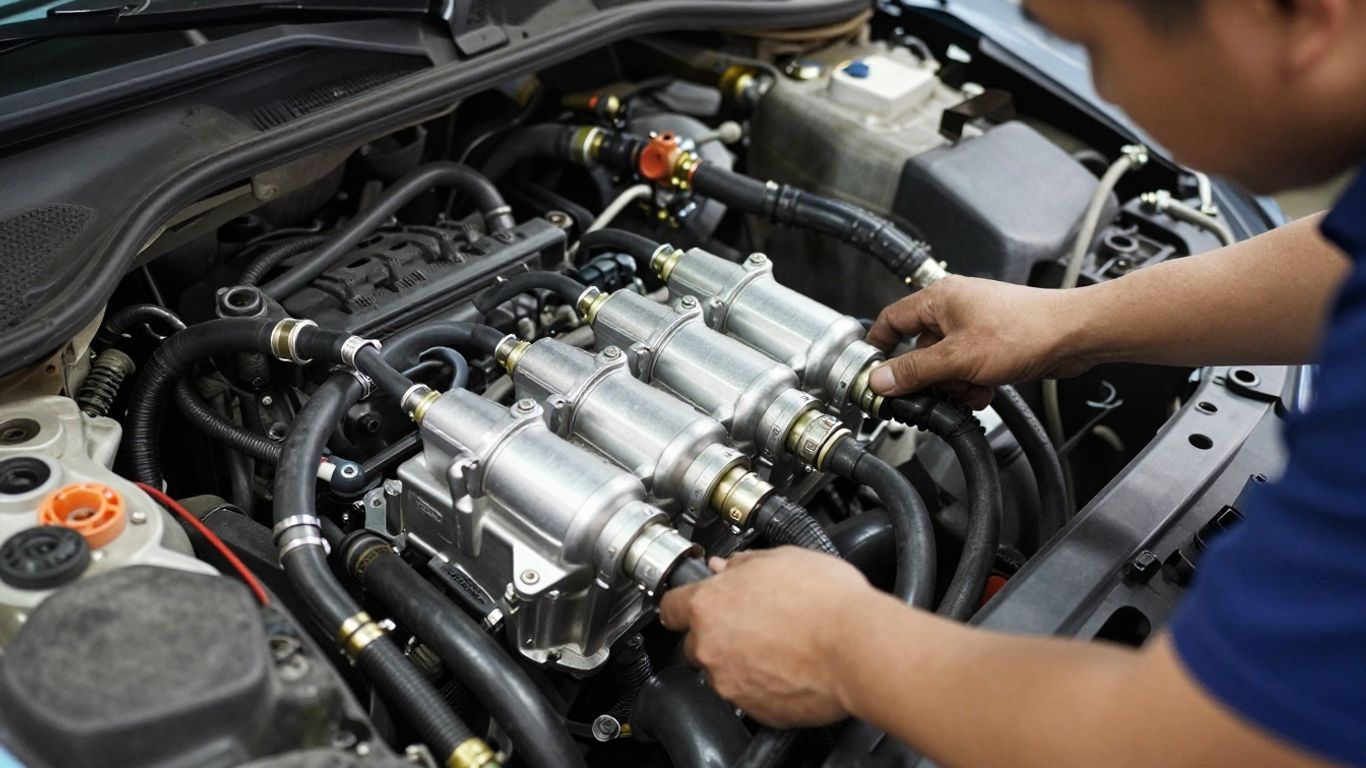
Maintaining the fuel system ensures that the air-fuel mixture remains perfectly balanced for stable power output. If the mixture is compromised, the engine will inevitably struggle to maintain a consistent idle speed regardless of other conditions.
Inspecting fuel injectors for leaks or clogs
Fuel injectors deliver precise bursts of fuel into the combustion chamber that must be timed perfectly for consistency. If an injector becomes partially blocked, the resulting combustion imbalance manifests as a noticeable engine vibration during idling. This inefficiency often leads to symptoms discussed in the rough idle causes guide, where combustion quality is compromised.
Testing the fuel pressure regulator
The fuel pressure regulator ensures that the fuel rail receives a steady stream at the required pressure for all operating conditions. When these units begin to fail, the idle can turn erratic as the delivery volume exceeds or fails to meet the internal engine requirements.
Cleaning the throttle body assembly
Carbon buildup inside the throttle body can physically restrict the passage of air while blocking the idle air control path. By physically removing these residues, you allow the engine to breathe freely again, effectively resolving many common idling complaints associated with rough idle causes found in standard automotive maintenance.
Replacing the fuel filter
Replacing the fuel filter is a standard task that prevents debris from clogging sensitive fuel handling components. As a rule, filter maintenance should be scheduled to ensure the fuel pump operates without excessive strain or flow restriction.
Ignition system troubleshooting
Ignition health determines how cleanly your engine finishes the combustion process at low speeds. A weakness here typically creates localized misfires that the driver feels as a jerkiness or irregular pulse through the floorboards or steering wheel.
Checking spark plugs for wear or fouling
Spark plugs are the primary firing mechanism, and even minor degradation can lead to significant idling issues. You should inspect the color of the plug tips to see if they are running too lean or rich.
Testing ignition coils for electrical resistance
Ignition coils translate battery power into high-voltage sparks, and resistance testing can reveal internal shorts early. If a coil produces a weak spark, your engine will definitely stumble whenever the electrical load increases at a stop.
Reviewing ignition wiring for damage
Wiring that shows signs of brittleness or heat damage often leaks voltage before it reaches the plugs. Proper inspection involves tracing these lines back to the harness to ensure they are shielded from heat and mechanical vibration.
Air intake and vacuum leaks
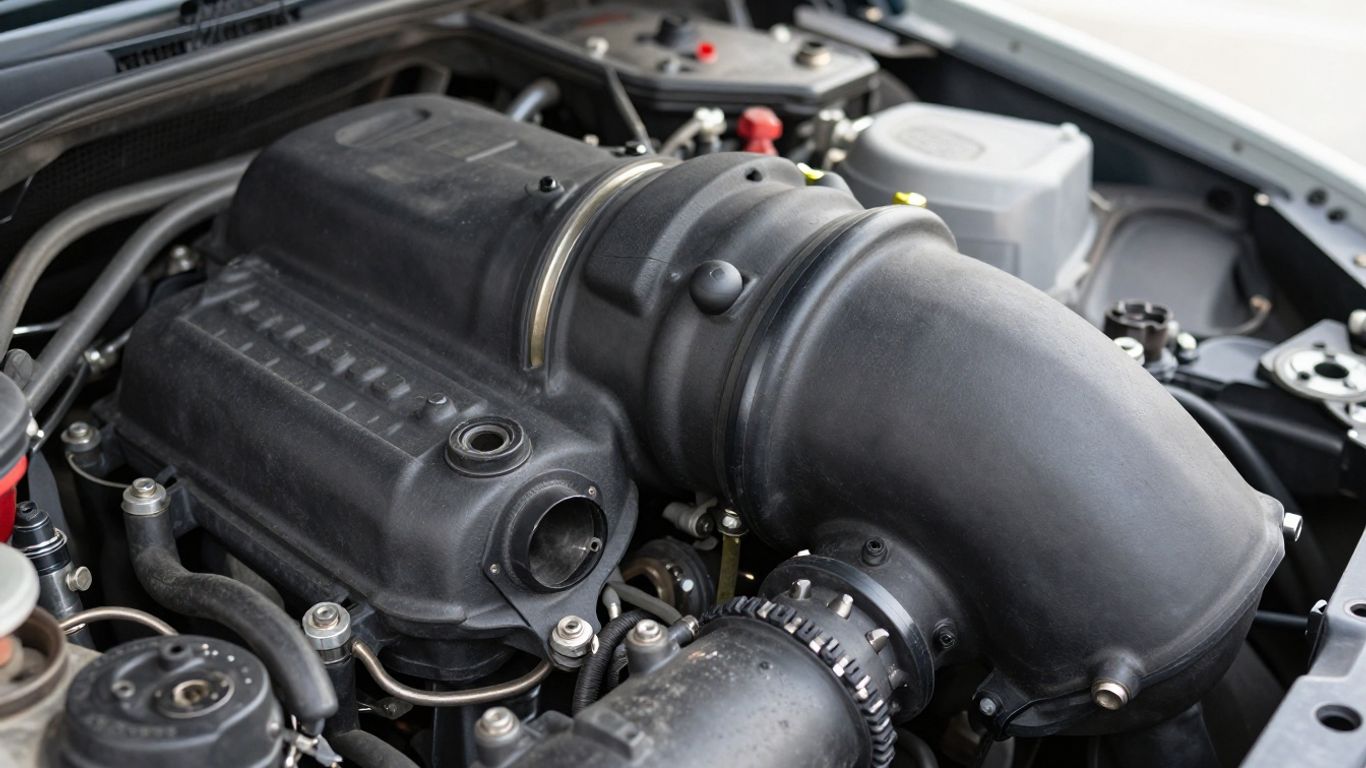
Vacuum leaks allow unmetered air to sneak into the intake manifold, bypassing the sensors that regulate engine speed. When your engine experiences a leak of this nature, you will often hear a faint whistling sound while the vehicle is idling at a complete stop.
Locating common vacuum hose leaks
Vacuum hoses endure constant thermal cycling that can lead to cracking or disconnection over time. Using a systematic search, you can often find leaks that impact vacuum-operated components in your vehicle’s engine bay.
Cleaning the mass airflow sensor
The mass airflow sensor tracks the volume of air entering your engine to adjust the fuel trim accordingly. If this sensor is coated in dust or oil mist, it will report inaccurate readings that cause the engine computer to mismanage the idle speed.
Inspecting the air intake manifold gasket
The intake manifold gasket forms a critical seal between the engine block and the intake plenum. If this seal degrades, you will notice cold morning rough idle symptoms that improve only slightly as the metal warms and expands against the gasket area.
Verifying idle air control valve operation
The idle air control valve behaves like a gate that manages bypass air during low-load stationary periods. To help understand the process, we can view how symptoms correlate to parts in the table below:
| Component | Primary Function | Failure Symptom |
|---|---|---|
| Spark Plug | Ignition | Engine Misfire |
| IAC Valve | Idle Airflow | Hunting Idle |
| Fuel Injector | Fuel Delivery | Shaky Idle |
Following these checks, technicians often recommend a logical sequence for verification. You should focus on:
- Testing ignition coil resistance first
- Cleaning the mass airflow sensor contacts
- Tightening any suspect vacuum line connections
- Scanning for stored oxygen sensor codes
By following this progression, you remove variables one by one and avoid replacing parts that are still performing within their designed tolerances.
Electrical and sensor issues
Modern engine management relies heavily on an array of sensors that interpret load, temperature, and rotational speed. When any one of these inputs provides faulty or noisy data, the engine computer will struggle to maintain an idle set point.
Evaluating engine coolant temperature sensor data
The engine coolant temperature sensor informs the car’s computer about the thermal state of the engine. If the sensor reports an incorrect temperature, the car will continue using a cold-start fuel mixture even after the engine has reached normal operating heat.
Testing battery voltage and terminal connections
Battery health is fundamental to maintaining stable electrical signals for all vehicle sensors. Poor connections or low voltage can create enough electrical turbulence to affect sensitive data pulses from the engine management computer.
Checking the crankshaft position sensor signal
The crankshaft position sensor provides the timing data necessary for both fuel injection and spark event commands. A signal loss here creates erratic operation, as the engine cannot clearly determine when to fire each combustion cycle.
When to seek professional repair
Some engine stability problems reside deep within the internal timing or compression structure of the motor. When DIY efforts fail to isolate the cause, specialized equipment may reveal data patterns otherwise invisible to standard scanners.
Recognizing complex internal engine faults
Internal issues such as worn timing chains or cylinder compression loss require professional verification techniques. Determining if these faults exist avoids the trap of replacing secondary sensors without addressing the root mechanical deficiency properly.
Dealing with intermittent issues that evade diagnostic scans
Intermittent faults are notoriously difficult to capture because they disappear the moment the engine stops or the cooling fans engage. Dealing with these situations represents a challenge where Kwik Fit guidance or similar industry resources offer clarity on when to escalate the matter.
Importance of using specialized Renault diagnostic software
Specialized software allows mechanics to perform deep resets and parameter adjustments unique to specific controller architectures. Seeking an expert for this service ensures that any configuration changes stay compliant and stable over the long term, much like working with a professional SEO consultant to ensure your web infrastructure remains performative and clean. Furthermore, using refined diagnostic approaches mirrors how one might foster open communication with a teenager to get to the truth of a problem, or how one manages energy in industrial plants for efficiency, ensuring every minor detail contributes to a successful outcome. Always remember that accessing professional help shouldn’t be seen as a failure, but as a commitment to long-term reliability.
Conclusion
Fixing a rough idle requires patience, observation, and a systematic approach to identifying where the air, fuel, or ignition process is failing. By checking these systems step-by-step, you empower yourself to resolve common annoyances or identify precisely when the fault lies beyond home-based diagnostic capabilities, ultimately improving car performance and preventing long-term engine damage.
Frequently Asked Questions
Can a dirty air filter cause a rough idle?
Yes, although a clogged air filter typically causes more pronounced performance issues during acceleration, it can indeed lead to an imbalanced mixture that forces the engine to struggle to maintain a steady speed at idle.
Why does my car idle rough only when it is cold?
This behavior often points to a vacuum leak or a faulty cold-start enrichment sensor, as the engine requires a precise, fuel-heavy mixture during the warm-up phase that gets disrupted by extra air or incorrect data.
Will checking spark plugs fix my unsteady idle?
Replacing worn or fouled spark plugs can often resolve an unsteady idle if the cause is a consistent misfire, as fresh plugs provide the reliable spark necessary for thorough, efficient combustion in every cylinder.
Are all rough idle issues expensive to repair?
Not at all; many common causes such as cleaning a throttle body, replacing a dirty air filter, or fixing a simple vacuum hose leak are quite affordable and can be performed by the average vehicle owner.
How often should I clean the throttle body?
While there is no fixed mileage, many mechanics recommend cleaning the throttle body during regular interval services, especially if you notice the engine RPM beginning to fluctuate or feeling hesitant while stationary.
Can an OBD-II scanner show me exactly what part is broken?
It provides error codes that indicate which system or sensor is sending out-of-range data, which effectively points you toward the faulty component or an area where further inspection is required for a complete diagnosis.
When is it unsafe to continue driving a car with a rough idle?
If the rough idle is accompanied by flashing check engine lights, excessive smoke from the exhaust, or loud internal ticking noises, you should discontinue driving immediately to avoid catastrophic engine damage.