Key Takeaways
Identifying an engine knocking noise in a Renault requires a systematic approach to differentiate between minor accessory issues and serious mechanical fatigue. Proper maintenance and early professional diagnosis are your best tools for long-term engine health.
- Perform regular oil checks to detect early signs of metallic buildup.
- Listen closely to distinguish high-pitched taps from deeper, structural knocks.
- Use a professional grade stethoscope to pinpoint sounds inside the engine block.
- Follow official manufacturer service intervals to protect timing chain integrity.
- Seek immediate assistance if oil pressure warning lights illuminate.
Identifying the source of the engine knocking noise
When you hear an unfamiliar rattle or rhythmic sound emanating from your vehicle, identifying the specific location is critical. Many owners panic prematurely, yet the sound may originate from something as simple as a loose plastic cover or a failing belt pulley. Recognizing the characteristics of the noise allows you to better communicate with technicians when it comes time for an inspection.
Distinguishing between a rhythmic tap and a deep knock
A high-pitched metallic tap often suggests localized issues like valve train noise or minor combustion irregularities. In contrast, a deep, persistent hollow knock usually indicates internal component stress, such as worn bearings or rod issues that require immediate attention. It is helpful to consider how engine knocking patterns relate to specific mechanical movements within the block.
Locating noises under the valve cover versus the oil pan
If the noise centers near the top of the engine, look toward the valvetrain, where hydraulic lifters or timing components reside. A sound emanating from the bottom of the casing, near the oil pan, often points toward crankshaft bearings or piston-related assemblies. In some cases, owners report a Renault Clio 182 Sport issue where the knocking seems structural yet turns out to be tied to external driveshafts or pulleys.
Effects of engine temperature on noise patterns
Many mechanical components naturally expand or contract as your engine warms up, which significantly changes acoustic output. A noise that disappears completely after the engine reaches operating temperature might be attributed to piston slap or minor lifter clearance issues that resolve with oil thinning. Conversely, sounds that become more prominent as the oil heats up may signal a decline in pressure-dependent lubrication efficiency.
Utilizing a mechanic’s stethoscope for precision
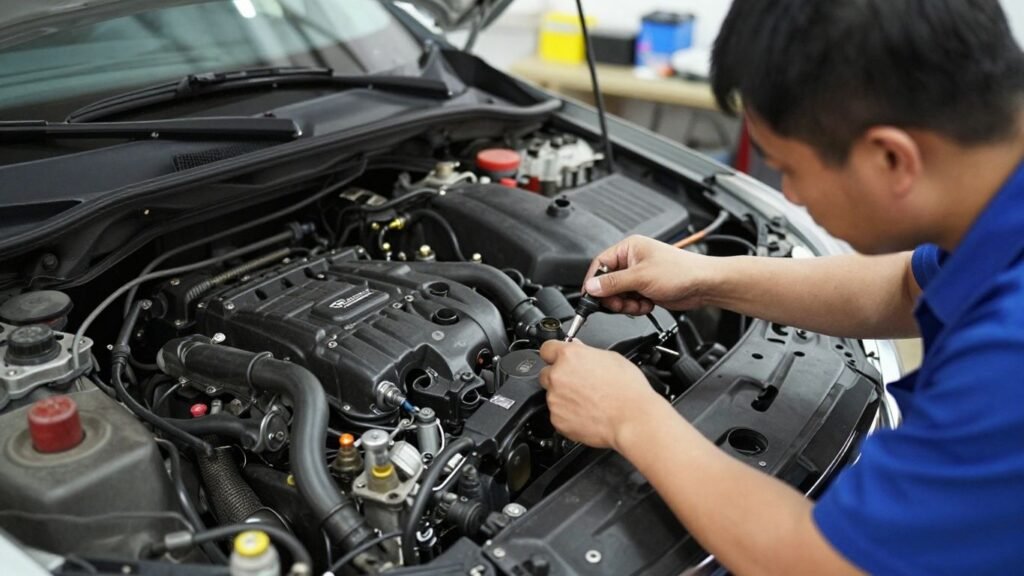
Using a professional stethoscope tool enables you to isolate mechanical vibrations before a minor fault becomes irreparable. When conducting this check, move the probe across the engine housing to trace the sound back to its source, which helps eliminate accessory-related noise. By comparing these acoustic points against a classic Renault 4 engine layout or similar models, you can gain a clearer understanding of your engine’s internal rhythm.
Common mechanical causes specific to Renault engines
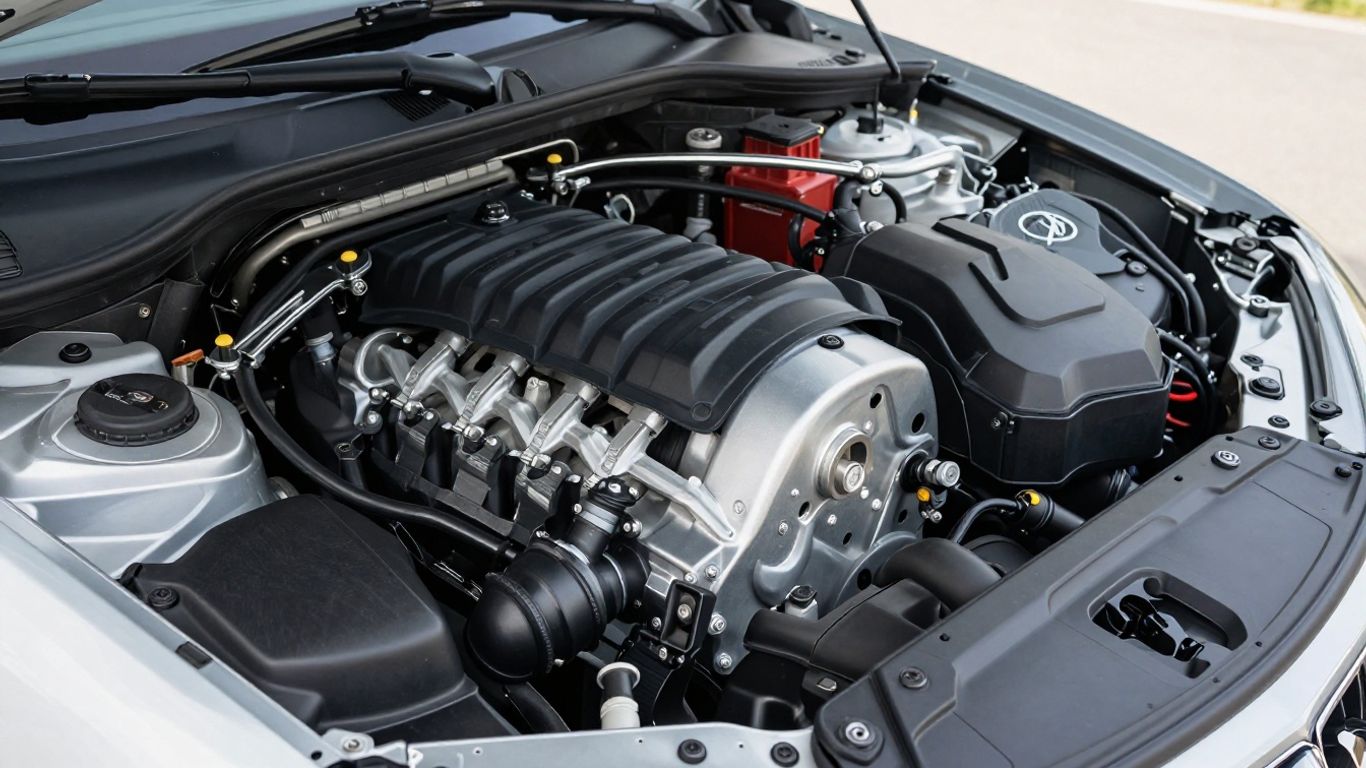
Renault engines feature specific internal architectures that require precise maintenance to remain reliable over high mileage counts. Understanding these tendencies helps owners prevent common pitfalls like premature timing component degradation. When managed incorrectly, minor issues can quickly cascade into more expensive repairs that compromise the entire propulsion system.
Hydraulic tappet failure in petrol models
Petrol-powered variants often utilize hydraulic valve lash adjusters to maintain optimal engine performance. Over time, these components can experience internal varnish buildup or mechanical wear, leading to poor pressure regulation and audible tapping. If your lifters aren’t resetting, they may fail to cushion the valve opening, creating a distracting persistent internal mechanical rattle that warrants prompt professional review.
Timing chain tensioner wear on high-mileage units
High-mileage units often face challenges with timing chain guides and tensioners, which can become brittle and crack with age. A failing guide allows the chain to whip against the housing, creating a distinct rattling sound that often vanishes as RPMs increase. You can read more about a specific 2012 Renault Clio IV case study where this exact guide failure caused significant internal noise.
Rod bearing fatigue due to lubrication issues
Rod bearings represent the most serious concern for any internal combustion engine, often caused by long-term oil starvation or excessive heat cycles. These components must maintain an incredibly thin film of fluid to support high-speed rotation, and once a bearing surface begins to fail, clearance increases significantly. You might notice these issues manifest as a rhythmic, deep bass knocking sound that fluctuates heavily under throttle loads.
Piston slap during cold engine operation
Piston slap occurs when the clearance between the piston skirt and cylinder wall is larger than intended, creating a light knocking sound on cold startups. This noise typically decreases once the piston expands with heat and closes that clearance gap. While often harmless in small amounts for a short duration, persistent worsening over time suggests significant cylinder wear.
Assessing the urgency of the situation
Determining whether you can safely drive your vehicle or if it requires a tow is the most important decision an owner will face. Safety should always remain your top priority when an engine exhibits signs of distress. Ignoring these signals can shift a repair from a simple adjustment to a total engine replacement.
Differentiating between minor sensor issues and catastrophic failure
Not every mysterious click or clatter signals an imminent breakdown of your engine assemblies. Minor sensor malfunctions or exhaust leaks can mimic the sounds of internal mechanical failure quite convincingly to an untrained ear. Understanding the difference prevents unnecessary panic while ensuring you don’t overlook genuine red flags that threaten the engine block.
Monitoring oil pressure levels and dashboard warning lights
Oil pressure serves as the lifeblood of your engine, providing cooling and support to rotating parts under load. If your dashboard illuminates any oil-related warning, you should stop the vehicle immediately in a safe location to prevent significant metal-on-metal contact. It is essential to treat these warnings with extreme caution to protect your vehicle from systemic damage that would likely necessitate a complete engine replacement.
The dangers of driving with persistent internal engine clatter
Driving with a persistent, loud internal clatter puts every internal component under extreme, irregular stress loads. Even if the vehicle remains mobile, the hidden damage continues to accumulate until a mechanical link or bearing fails structurally. The table below outlines how sound profiles generally correlate to the severity of the urgency for repair.
| Sound Type | Potential Severity | Recommended Action |
|---|---|---|
| High-pitched ticking | Low to Medium | Schedule inspection |
| Intermittent rattling | Medium | Check belts and covers |
| Deep, constant thud | Critical | Immediate stop and tow |
Safety considerations for roadside inspections
Whenever you attempt a roadside check, always prioritize traffic management and your physical safety. Ensure the vehicle is parked on flat ground, the engine is off and cool, and you are far away from flowing lanes of traffic. If you feel uncomfortable, it is far better to wait for professional roadside assistance than to risk injury during a manual inspection.
Diagnostic steps for mechanics and owners
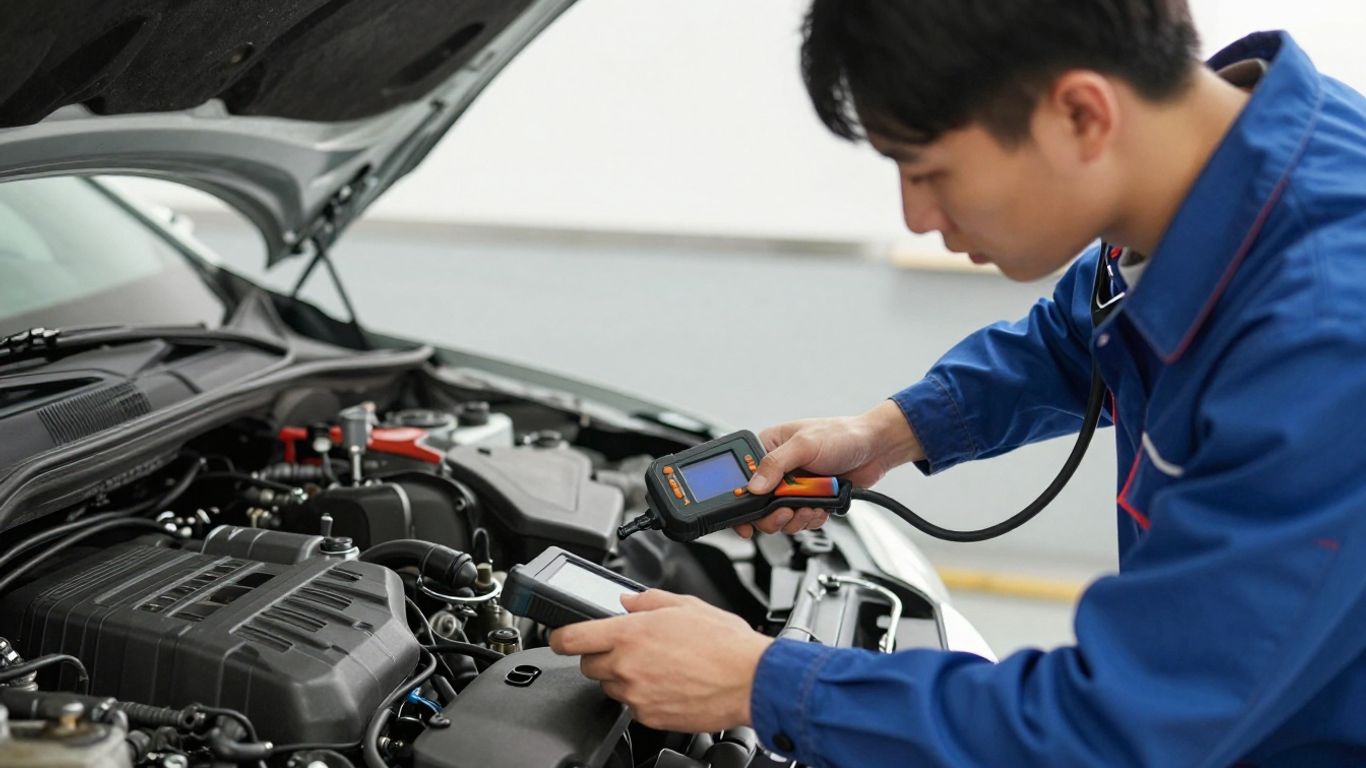
Systematic diagnostics prevent unnecessary component replacement and ensure that the root cause of the noise is addressed properly. Modern vehicles provide abundant data that, when interpreted correctly, can simplify your investigative efforts significantly. Mechanics frequently look for evidence of metallic debris or abnormal signals within the engine management computer to reach valid conclusions.
Checking oil quality and identifying metallic debris
Your oil reveals much about the internal state of the engine during every single service interval. By inspecting the filter for fine metallic flakes or sludge, you obtain vital information regarding internal friction and general wear. If metallic particles are present, this often indicates the early stages of catastrophic bearing failure, requiring immediate cessation of operations.
Performing an engine compression test
A compression test provides a snapshot of the health of each cylinder as it relates to piston ring and valve integrity. By measuring individual pressure levels, it becomes easy to identify a cylinder that may be causing uneven loading or combustion issues. Low compression levels often correlate with valve seat recession or compromised rings that produce knock-like sounds.
Analyzing fuel trim data with an OBD-II scanner
Analyzing long-term and short-term fuel trims helps identify if a combustion lean condition is contributing to pre-ignition knocking. A malfunctioning injector or intake air leak can cause the engine to misfire or detonate under load, which sounds dangerously similar to mechanical clanking. Properly calibrated sensors are essential to providing clean data for this assessment.
Inspecting serpentine belts and accessory drive components
Before tearing into the engine block, always verify that external accessories are functioning correctly. A failing alternator bearing or a worn tensioner pulley can easily be mistaken for internal engine issues during idling. Removing the belt briefly allows you to clarify whether the noise originates from within the engine or from a peripheral component needing replacement.
Maintenance tips to prevent recurring knocking
Consistent maintenance is the most effective way to avoid the premature wear that leads to heavy internal engine noises. Renault provides specific guidelines to ensure their high-performance power units remain operating within specification. Sticking to these intervals is a small investment compared to the potential cost of repairing extensive internal damage.
Importance of using manufacturer-recommended oil viscosity
Using the correct oil viscosity provides the required film strength and pressure management for your specific engine design. Deviating from these requirements can cause increased friction on bearings and hydraulic lifters, leading to the tapping noises common in neglected units. Always ensure you are selecting high-quality fluids that meet current manufacturer standards for your vehicle.
Adhering to the specific Renault service intervals
Service intervals are designed to replace wear items before they become issues that stress other, more expensive engine components. Following these cycles ensures that your oil, filters, and timing components are always within their healthy operational lifespan. Neglect is a primary driver of internal fatigue that could easily have been mitigated by adhering to the manual.
Regular coolant flushes to prevent overheating and stress
Overheating leads to rapid thermal expansion and cooling cycles that stress engine materials beyond their intended limits. By scheduling regular coolant flushes, you stabilize operating heat, effectively preventing the metal fatigue that contributes to premature rod or piston slap. This simple practice preserves the life of internal seals and the integrity of your engine block.
Cleaning fuel injectors to avoid pre-ignition knocking
Dirty fuel injectors can lead to uneven spray patterns, causing localized lean conditions and premature detonation known as engine knock. Keeping your fueling system clean ensures smooth and efficient combustion throughout the operating range. This prevents the high-pressure shocks associated with poor fuel delivery that can exacerbate internal bearing wear.
When to seek professional repair for your Renault
Deciding when to transition from DIY troubleshooting to professional intervention is often driven by your current equipment and level of experience. Complex internal engine work is not suitable for a casual hobbyist, as it requires specific tolerancing tools and factory service environment standards. A specialist technician will have the necessary expertise to avoid risks when performing deep engine diagnostics.
Evaluating the cost-benefit of engine rebuilds versus replacements
When a major internal failure occurs, comparing the price of a certified rebuild against a full block replacement becomes necessary. Often, a complete engine swap provides more reliability for a similar expenditure, particularly if the original engine has substantial mileage or extensive bore wear. Always request a detailed quote to understand the scope and guarantees associated with both repair routes.
Finding a technician specialized in French automotive engineering
French automotive engineering utilizes unique structural designs and specialized tools that universal shops might not fully understand. Working with a technician who frequently handles these systems ensures they are familiar with localized wear points and specific Renault technical bulletins. Expert knowledge prevents unnecessary work and provides peace of mind throughout the diagnostic process.
Risks of using aftermarket components for major repairs
For significant engine components, opting for aftermarket replicas over manufacturer-approved parts introduces unknown variables into your engine build. Tolerances can vary significantly, leading to early failure or misalignment of critical assemblies during high-load operations. It is safer to rely on original components when repairing sensitive internal mechanical features.
Documenting service history for future diagnostic accuracy
Maintaining a meticulous record of every repair and oil change significantly aids future troubleshooting efforts. When a technician can review the history of your vehicle, they gain insights into which systems have already been serviced or replaced. This reduces diagnostic time and ensures that subsequent work builds upon known service data rather than starting from zero.
Conclusion
Addressing engine knocking noise promptly is essential for maintaining the longevity and performance of your vehicle. By distinguishing between simple accessory sounds and serious mechanical warnings, you protect the investment you have made in your car. When in doubt, prioritize professional diagnostic verification to ensure your engine remains reliable for years to come.
Frequently Asked Questions
Can bad fuel cause my engine to make a knocking sound?
Yes, low-quality fuel can lead to pre-ignition, often heard as a knocking or pinging under heavy throttle, which is distinct from internal mechanical metal-on-metal clatter.
Does oil viscosity affect engine noise levels?
If the oil is too thick or too thin for your engine, it can significantly impact how hydraulic components like lifters operate, potentially manifesting as an audible tapping sound.
Is it safe to drive with a slight ticking from the engine?
While some minor ticking can be normal depending on the engine design, any change in pitch or volume should be investigated immediately to rule out mechanical failure.
Why does my engine knock only when it is cold outside?
Cold temperatures affect fluid thickness and the expansion rates of engine components, which can temporarily cause piston slap or lifter ticking until the engine reaches operating temperature.
Can a faulty serpentine belt mimic engine knocking?
The pulleys and bearings within an accessory drive system frequently produce metal-to-metal sounds or rattling that can easily be mistaken for internal engine block noise.
What should I check first when I hear a knock?
Always check your oil level and look for any warning lights on the dashboard before attempting any further deep inspection of the engine components.
How often should I check my oil for metallic debris?
It is good practice to perform a visual check for contaminants during every scheduled oil change, as this is the best way to catch internal wear before it becomes catastrophic.